

I’m Darrin Mish. Tampa tax attorney, 32 years in, more than $100 million in IRS debt resolved. What follows isn’t theory – it’s what I’ve actually watched work.
Feeling overwhelmed by back taxes and worried about what the IRS might do next? You’re not alone. Every year, millions face the same challenge and search for real answers.
This essential guide breaks down irs help for back taxes in 2026. You’ll learn why back taxes happen, what risks you face, and the proven steps to resolve your tax debt.
Inside, discover the causes and consequences of tax debt, explore IRS programs, check eligibility, and follow a clear, step-by-step process. With expert tips, you can take control and find the relief you need.
Understanding Back Taxes: Causes, Consequences, and Urgency
If you’re feeling lost about irs help for back taxes, you’re certainly not alone. Let’s break down what back taxes really are, why they happen, and why it’s so important to act fast if you find yourself in this situation.
What Are Back Taxes and Why Do They Happen?
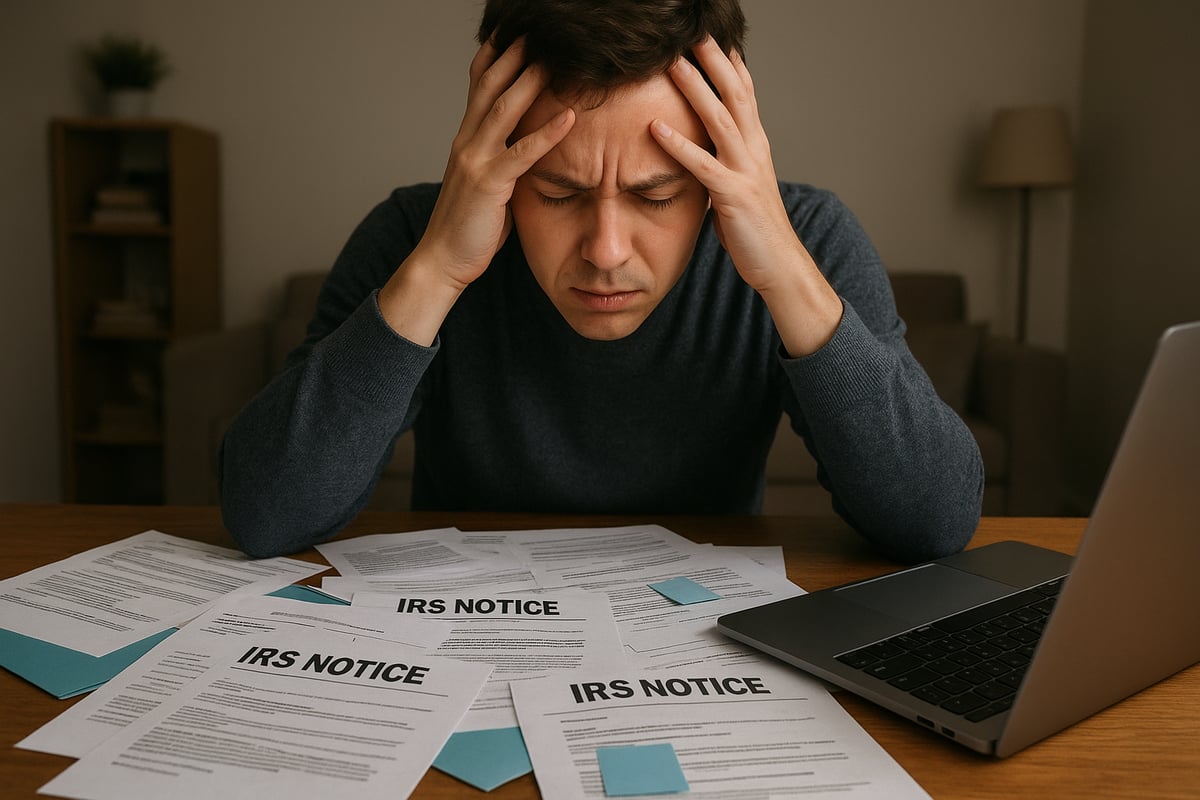
Back taxes are taxes that remain unpaid after the original due date, according to IRS guidelines. If you miss filing a return, underreport your income, or make a mistake on your forms, you could end up owing back taxes. Sometimes, an IRS audit uncovers errors, or new sources of income, like gig work, get overlooked.
Common causes of back taxes include:
- Unfiled returns (simply forgetting or not knowing you had to file)
- Underpayment (not withholding enough or miscalculating quarterly payments)
- IRS audits revealing discrepancies
- Calculation or reporting errors
For example, imagine you start a side business but don’t track all your freelance income. Or maybe your cash-strapped business delays payroll taxes. These situations can quickly snowball. In 2024, over 11 million Americans owed federal back taxes, according to the IRS Data Book 2024.
Federal and state back taxes are different. Here’s a quick comparison:
| Feature | Federal Back Taxes | State Back Taxes |
|---|---|---|
| Owed to | IRS | Individual states |
| Collection Power | Nationwide | Varies by state |
| Programs | Standardized | State-specific |
Understanding these basics is the first step towards irs help for back taxes.
The Risks and Consequences of Owing Back Taxes
Owing back taxes isn’t just a paperwork hassle. The IRS can impose serious penalties, like failure-to-file and failure-to-pay fees, along with daily interest that keeps growing. You might even face enforcement actions, such as wage garnishments, bank levies, or property liens.
The impacts can go beyond your wallet. Owing back taxes may lower your credit score, threaten your job opportunities, and even affect your passport status under the IRS Revocation Program. The stress often spills over into family life and mental health.
Consider this real-life scenario: A taxpayer ignores IRS notices for months, hoping the issue will go away. As time passes, penalties stack up, the IRS files a lien on their property, and eventually begins garnishing wages. This spiral shows how waiting for irs help for back taxes can make things much worse.
Why Timely Action Is Critical
Taking action quickly when you owe back taxes is crucial. The IRS has a statute of limitations for collections and audits, but penalties and interest keep growing until you address the debt. Delays mean you’ll pay much more over time.
Regulations change, too. The IRS Fresh Start Initiative and new rules for 2026 offer expanded options for those seeking irs help for back taxes, but these programs require you to act before enforcement begins.
Here’s why acting now matters:
| Benefit of Acting Early | What It Means for You |
|---|---|
| Lower penalties/interest | Save money and stress |
| More program options | Qualify for payment plans, relief |
| Less severe enforcement | Avoid garnishments and liens |
| Faster financial recovery | Restore peace and stability |
Proactive steps put you in control and open the door to real irs help for back taxes, so don’t wait until the IRS comes knocking.
IRS Programs and Solutions for Back Taxes in 2026
If you are searching for irs help for back taxes, you are not alone. The IRS offers several programs in 2026 to help taxpayers resolve their back tax debt and move forward with confidence. Understanding these options is the first step toward regaining control of your financial future.

Installment Agreements: Spreading Out Your Payments
One of the most common forms of irs help for back taxes is the IRS Installment Agreement. This program allows you to pay your tax debt over time in manageable monthly payments. There are several types: short-term (up to 180 days), long-term, streamlined (for balances under $50,000), and non-streamlined options for larger debts.
Eligibility depends on the amount you owe, your filing status, and your ability to make regular payments. The application process is straightforward, but you will need to provide detailed financial information. Keep in mind that fees and interest will continue to accrue until your debt is fully paid.
The main benefit of an Installment Agreement is financial flexibility. However, interest and penalties do not stop, so the total cost may be higher over time. For a step-by-step guide to setting up a payment plan, see IRS back taxes payment plans. Many taxpayers find peace of mind knowing they have a plan in place to resolve their irs help for back taxes.
Offer in Compromise: Settling for Less Than You Owe
If you cannot afford to pay your full tax debt, the Offer in Compromise (OIC) program offers another route for irs help for back taxes. This solution allows you to settle with the IRS for less than the total amount owed if you meet strict criteria.
To qualify, you must prove that paying the full amount would create financial hardship, or that there is doubt about the accuracy of your tax liability. The IRS will assess your income, expenses, assets, and future earning potential, known as your “reasonable collection potential.”
The OIC process requires careful preparation of forms and documentation. In 2023, about 33% of OIC applications were accepted. While this path can provide significant relief, it is important to avoid common mistakes such as incomplete paperwork or misrepresenting your finances. For many, this form of irs help for back taxes is truly life-changing.
Currently Not Collectible Status: Temporary Relief for Hardship
If your financial situation is especially tough, you may qualify for Currently Not Collectible (CNC) status. This is a valuable form of irs help for back taxes when you simply cannot pay anything right now.
To be approved, you must show that paying your tax debt would prevent you from covering necessary living expenses. The IRS will require proof of your income, expenses, and assets. If granted, all collection actions, such as wage garnishments and levies, will stop temporarily.
However, CNC status does not erase your tax debt. The IRS will review your case each year and can resume collections if your financial situation improves. Interest and penalties will still accrue during this period. For some, this pause provides essential breathing room and a chance to get back on their feet with irs help for back taxes.
Penalty Abatement and Interest Reduction
Penalties and interest can quickly make your tax debt feel overwhelming. The IRS offers penalty abatement as a form of irs help for back taxes, giving eligible taxpayers a chance to reduce or remove certain penalties.
There are two primary types: first-time penalty abatement (for those with a clean compliance history) and reasonable cause abatement (for events like illness or natural disasters). You must provide documentation to support your request and follow specific IRS procedures.
While interest is rarely reduced, lowering penalties can make a big difference in your overall balance. Penalty abatement is especially helpful if your back taxes resulted from circumstances beyond your control. This approach to irs help for back taxes can ease your financial burden and speed your path to resolution.
Other Specialized IRS Programs
Beyond the major programs, there are additional forms of irs help for back taxes tailored to unique situations. For example, Innocent Spouse Relief protects individuals from a partner’s tax mistakes, while business owners can seek payroll tax resolution.
If you have unfiled returns, the IRS encourages voluntary disclosure to minimize penalties. Cryptocurrency transactions are also getting more attention, and specialized guidance is available for reporting and resolving related back taxes.
Each of these programs has its own rules and eligibility requirements. Exploring all your options ensures you receive the most effective irs help for back taxes, no matter your circumstances.
Step-by-Step Guide to Resolving Back Taxes with the IRS
Feeling lost on where to start with IRS help for back taxes? You’re not alone. Tackling your tax debt may seem overwhelming, but breaking the process into manageable steps can make all the difference. Let’s walk through each step together so you can move forward with confidence.
Step 1: Gather and Organize Your Tax Information
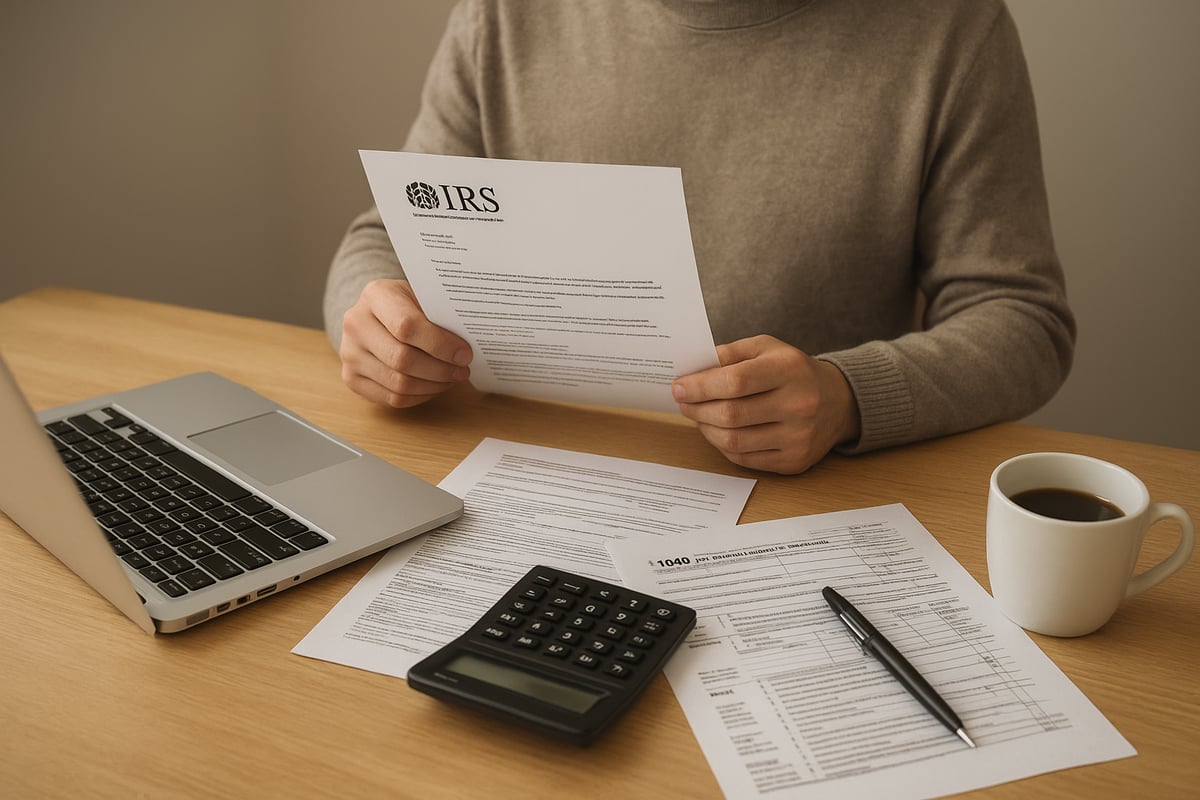
The first step to getting IRS help for back taxes is to round up every tax document you can find. Start with any IRS notices you’ve received. These letters often outline what you owe, deadlines, and which years are in question.
Next, collect your prior tax returns. If you’re missing any, you can request IRS tax transcripts. These show what’s been filed, payments made, and any discrepancies.
Make a checklist:
- IRS notices or letters
- Previous tax returns (federal and state)
- W-2s, 1099s, and income records
- Bank statements and proof of expenses
By organizing these documents, you’ll uncover missing returns and get a clearer picture of your outstanding balances. This groundwork is crucial if you want effective IRS help for back taxes.
Step 2: Assess Your Financial Situation
Once your paperwork is ready, it’s time to look closely at your finances. What’s your total tax debt? How much is penalties and interest? Understanding your complete liability is vital for getting the right IRS help for back taxes.
Add up your income, assets, and monthly expenses. List your debts, such as student loans, credit cards, or mortgages. This honest assessment helps you decide if you can pay in full, need an installment plan, or should explore other relief options.
Many people find it helpful to create a spreadsheet:
- Income sources
- Assets (home, car, savings)
- Monthly living expenses
- Other debts
The clearer your financial snapshot, the easier it is to match your needs to the right IRS program. Remember, IRS help for back taxes depends on accurate, up-to-date information.
Step 3: Choose the Right IRS Program for Your Needs
Now that you know what you owe and what you can afford, it’s time to match your situation to available programs. IRS help for back taxes comes in several forms, including payment plans, offers in compromise, and hardship status.
Ask yourself:
- Can I pay my debt in 120 days or less?
- Do I need a longer-term plan?
- Am I facing serious hardship or unable to pay at all?
Use online IRS tools and pre-qualification checklists to narrow down your options. For a detailed look at all available solutions, check out this overview of IRS tax debt help options. Choosing wisely now sets you up for success as you seek IRS help for back taxes.
Step 4: Prepare and Submit Your Application
With your path chosen, it’s time to prepare your IRS forms. Common forms include Form 9465 for installment agreements, Form 656 for offers in compromise, and Form 433-A for financial disclosures.
Be thorough and accurate. Double-check all numbers, attach required proof (like pay stubs or bank statements), and keep copies of everything. Timely, complete submissions are the backbone of effective IRS help for back taxes.
Tips for smooth application:
- Review instructions for each IRS form
- Include all supporting documents
- Submit electronically if possible for faster processing
If you’re unsure about any details, consider consulting a tax professional to avoid delays or mistakes. Every detail counts when seeking IRS help for back taxes.
Step 5: Communicate and Negotiate with the IRS
After you submit your application, expect a response from the IRS within a few weeks to a few months, depending on your case. Don’t ignore further requests for information – timely replies are key to keeping your IRS help for back taxes on track.
If your application is denied or the IRS asks for more details, don’t panic. You can negotiate, provide additional documentation, or file an appeal. Staying proactive and organized during this stage makes the process smoother.
Strategies for effective communication:
- Respond promptly to all IRS letters or calls
- Keep records of every interaction
- Be honest and consistent in your information
Persistence pays off. Remember, the goal of IRS help for back taxes is a fair resolution that fits your financial reality.
Step 6: Maintain Compliance and Prevent Future Issues
Congratulations if you’ve reached this step – many never make it this far. To make your IRS help for back taxes truly count, it’s essential to stay compliant moving forward.
File all future tax returns on time, even if you can’t pay in full. Set calendar reminders for due dates or enroll in payment plans. Adjust your tax withholding or make estimated payments if your situation changes.
Long-term tips:
- Use IRS online accounts for real-time tracking
- Organize your tax documents year-round
- Seek out educational resources to stay informed
By taking these steps, you can break the back taxes cycle for good. The journey to resolving IRS help for back taxes starts with action – and you’re already on your way.
When and Why to Seek Professional IRS Help
Are you feeling lost in a sea of IRS notices or confused by the maze of IRS help for back taxes? You are not alone. Many taxpayers quickly realize that resolving back taxes involves more than just filling out a form. The IRS has strict procedures, evolving programs, and complex eligibility rules. That is where professional representation steps in, providing clarity and confidence when you need it most.
Benefits of Professional Representation
Trying to secure IRS help for back taxes can feel overwhelming. Tax attorneys, enrolled agents, and CPAs bring specialized knowledge to the table, helping you avoid costly mistakes and missed deadlines. They know the ins and outs of IRS forms, documentation requirements, and negotiation tactics. This expertise is especially critical as IRS programs change, like the adjustments to the IRS Fresh Start Program 2026 Updates.
What do professionals actually do for you? Here are some key benefits:
- Advocacy: They speak directly with the IRS on your behalf, reducing your stress and preventing miscommunications.
- Strategy: Professionals assess your full financial situation and recommend the best IRS help for back taxes option, whether that is an installment agreement, offer in compromise, or penalty abatement.
- Negotiation: They can often secure better terms, stop wage garnishments, and appeal unfair decisions.
- Peace of mind: You get reassurance knowing every step is handled accurately and in compliance with United States tax law.
With a tax professional, you are not just a case number. You have an advocate fighting for your best interests, especially when IRS help for back taxes is critical to your financial future.
Who Should Consider Professional Help?
Not everyone needs a tax attorney, but certain situations make professional assistance invaluable. If you have a large or complicated debt, are a business owner with payroll tax issues, or are facing an audit, professional help can make all the difference. IRS help for back taxes becomes especially important for:
- Taxpayers owing more than $25,000 or with years of unfiled returns.
- Business owners dealing with payroll tax disputes or trust fund recovery penalties.
- Individuals under audit or investigation by the IRS.
- Anyone threatened with property liens, bank levies, or wage garnishments.
- Those who struggle with English or lack deep tax knowledge.
A tax professional can help you navigate the system, ensure you meet every deadline, and pursue the best IRS help for back taxes program for your needs.
Law Offices of Darrin T. Mish, P.A.: Expert IRS Help for Back Taxes
If you are searching for trusted guidance, the Law Offices of Darrin T. Mish, P.A. is a standout choice for IRS help for back taxes. Based in Tampa, Florida, and serving clients nationwide, the firm brings over 32 years of experience to the table. Their client-centered approach means you receive personalized legal strategies, direct communication, and full support from start to finish.
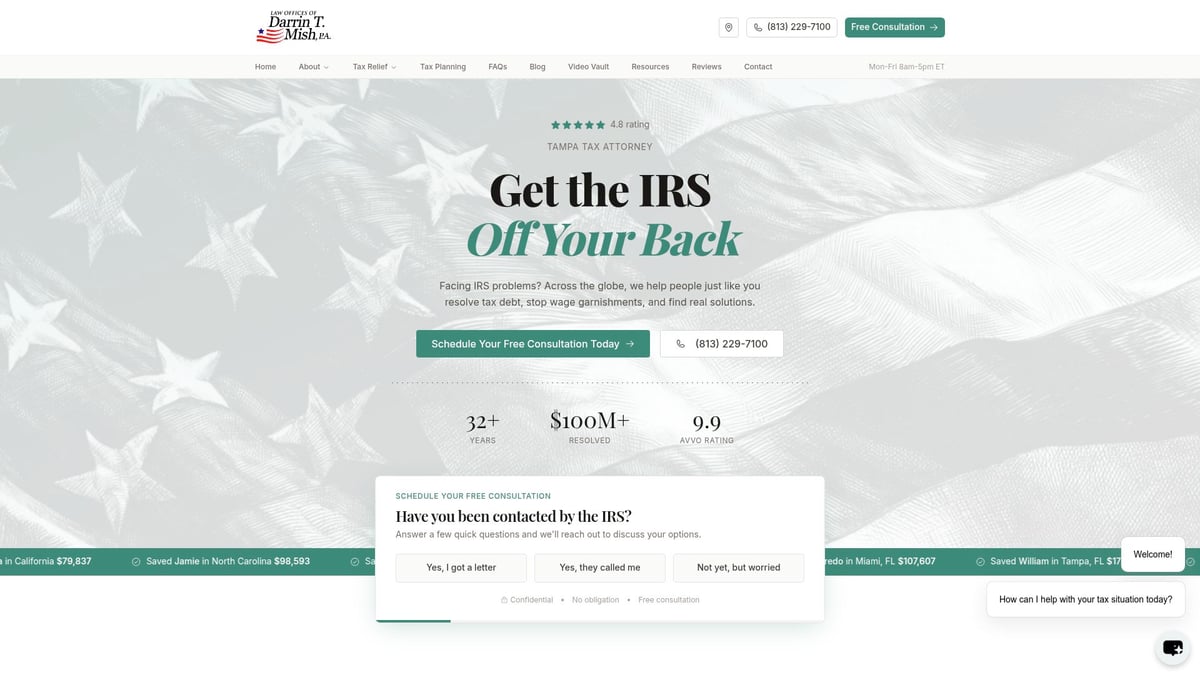
What sets them apart? The firm manages all IRS communications for you, shielding you from stressful direct contact. They stop wage garnishments, negotiate settlements, and make sure that every relief option is explored. Plus, they offer free, confidential consultations to evaluate your unique situation and recommend the best path forward.
With the Law Offices of Darrin T. Mish, P.A., you are never left guessing. Their expertise in IRS help for back taxes ensures you can move toward financial freedom with confidence.
Key Tips and Strategies for Long-Term Tax Health
Worried about how to keep your tax life on track after getting irs help for back taxes? The journey does not end once you resolve your debt. Staying ahead of future tax issues is just as important. Let us explore practical strategies to help you avoid back taxes and maintain peace of mind.
Proactive Tax Planning to Avoid Future Back Taxes
Think of tax planning like regular car maintenance. If you take care of it now, you avoid expensive breakdowns later. After receiving irs help for back taxes, set up proper withholding through your employer or make estimated payments if you are self-employed.
- Use digital tools or apps to track income and expenses.
- Keep all tax records organized in one place.
- Review your tax situation every few months, especially after major life changes.
Adjust your withholdings if you get a raise or switch jobs. Take advantage of available tax credits and deductions to lower your yearly bill. Small steps now can prevent big headaches down the road.
Staying Informed on IRS Policies and Deadlines
Tax rules change more often than you might think. If you have used irs help for back taxes, staying updated is vital. Set calendar reminders for filing and payment deadlines so nothing slips through the cracks.
Sign up for an IRS online account to monitor your status and get alerts. Explore IRS webinars and official resources for the latest updates. By being proactive, you will never be caught off guard by new policies or changes in the law.
Knowing what is coming helps you plan, so make it a habit to check in with credible sources each tax season. This way, surprises become a thing of the past.
How to Handle Unexpected Tax Challenges
Life can throw curveballs. If you receive a notice or cannot pay your full bill, do not panic. The first step is to respond quickly and honestly. After getting irs help for back taxes, you know the IRS appreciates timely communication.
If penalties are stacking up, consider exploring Penalty abatement for IRS taxes to reduce or remove certain fees. You can also request a payment extension or set up a partial payment plan.
Keep copies of all correspondence. If you face a true hardship, seek out the IRS Taxpayer Advocate Service for extra support. Quick action keeps small problems from becoming overwhelming.
Building a Support Network for Tax Success
You do not have to tackle taxes alone. After finding irs help for back taxes, consider working with a trusted tax professional year-round. They can answer questions, spot potential issues, and help with planning.
- Join a financial literacy group or online community for support.
- Encourage your family to talk openly about money and taxes.
- Attend local workshops to sharpen your tax skills.
Building a network makes tax season less stressful and sets you up for long-term financial success. When you surround yourself with knowledgeable people, you are far less likely to fall behind again.