

I’m Darrin Mish. Tampa tax attorney, 32 years in, more than $100 million in IRS debt resolved. What follows isn’t theory – it’s what I’ve actually watched work.
Struggling with IRS back taxes can feel overwhelming and stressful, especially when you’re not sure what steps to take next. As 2026 draws near, understanding your options for an irs back taxes payment plan becomes more important than ever.
Many taxpayers wonder if they’re eligible, how to apply, or what penalties might be involved. This article is here to guide you through the seven essential facts you need to confidently navigate IRS payment plans.
You’ll discover key details about eligibility, different plan types, the application process, payment terms, and how to avoid common pitfalls. Imagine the relief of finally resolving your tax issues and moving forward with peace of mind.
Ready to take control? Keep reading to unlock the practical insights that will help you succeed with your IRS payment plan.
Understanding IRS Back Taxes and Payment Plans
Have you ever found yourself staring at a tax bill and wondering how it got so out of hand? You are far from alone. IRS back taxes pop up when you do not pay your full tax bill, miss a filing deadline, or make a mistake on your return. Sometimes life gets busy or finances get tight, and suddenly, you are behind with the IRS.
Back taxes are more common than you might think. Every year, millions of Americans set up an irs back taxes payment plan to help manage what they owe. According to the IRS, over three million taxpayers arrange payment plans annually. These plans are designed to help you catch up, but ignoring your tax debt can bring serious trouble.
So, what happens if you let IRS back taxes linger? First, the IRS adds penalties and interest to your balance, making it grow faster than you might expect. If enough time passes, you could face a federal tax lien, which can hurt your credit and make it tough to get loans. In some cases, the IRS may even garnish your wages or seize your bank account. The consequences can feel overwhelming, but the good news is that you have options.
The IRS knows that not everyone can pay their full tax bill right away. That is why they offer a range of payment plans to help you resolve your back taxes over time. These plans come in several forms, each with different terms and requirements. Some are designed for smaller balances, while others help people who owe more. The right irs back taxes payment plan for you depends on your situation, but the goal is always the same: to help you pay off your tax debt in a way that fits your budget.
Here is a quick look at what these payment plans offer:
| Plan Type | Who It’s For | Typical Timeframe |
|---|---|---|
| Short-Term | Smaller debts, quick payoff | Up to 180 days |
| Long-Term | Larger balances, more time | Up to 72 months |
| Non-Streamlined | Higher debts, more steps | Up to 120 months |
Setting up an irs back taxes payment plan is not just about paying what you owe. It is about taking control of your finances and avoiding bigger problems down the road. Timely action is crucial. If you act quickly, you can often avoid the harshest penalties and collection actions.
Let’s say you are self-employed and had a slow year, so you could not pay your full taxes. Or maybe you have unfiled returns from a few years back. In both cases, an irs back taxes payment plan can help you get back on track, especially with new tax law updates on the horizon for 2026. Adjustments for inflation and changes in payment thresholds could affect your options, making it even more important to stay informed.
If you want to dive deeper into your options, the IRS provides a helpful overview of IRS Payment Plan Options that breaks down the basics and guides you through the process.
Understanding your choices and acting early can make a world of difference. No matter your situation, there is likely a payment plan or solution that fits your needs. You have the power to resolve your IRS back taxes and move forward with confidence.
Eligibility Requirements for IRS Back Taxes Payment Plans
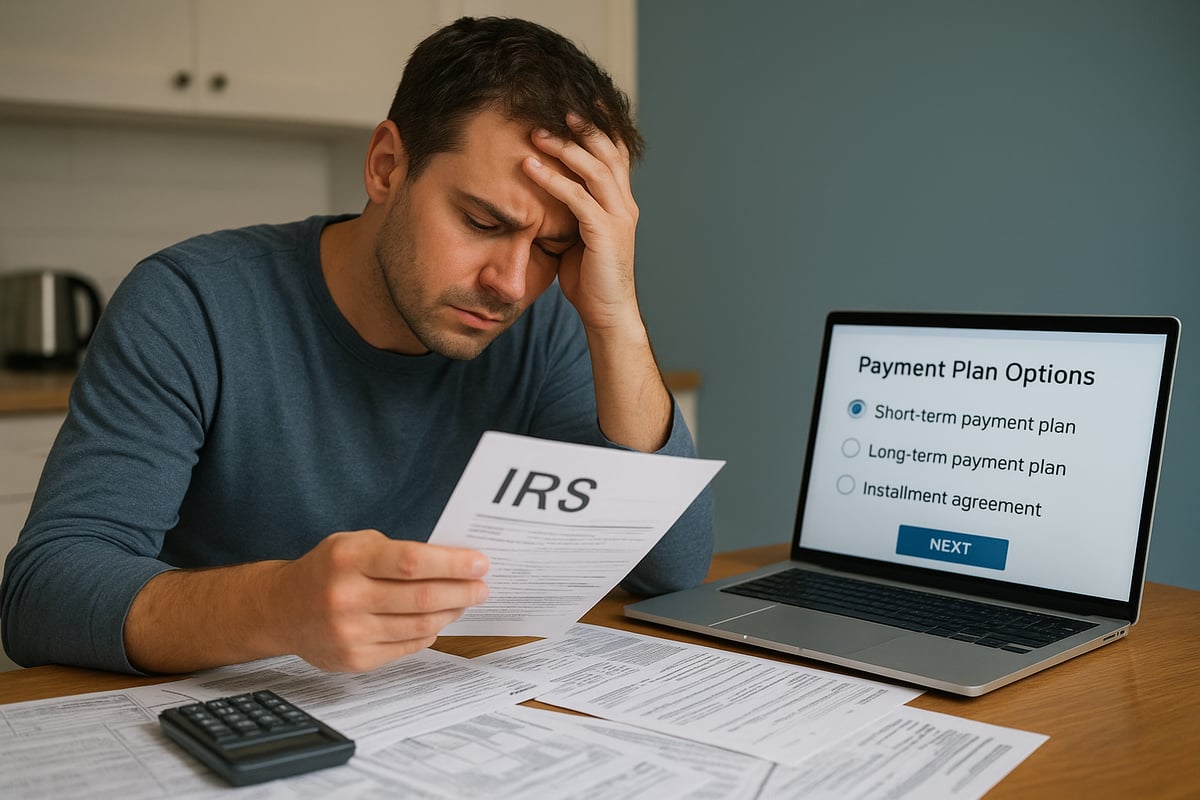
Understanding if you qualify for an irs back taxes payment plan is the first step toward tackling your tax debt. Not everyone is eligible, so knowing the rules can save you time, stress, and maybe even money. Have you ever wondered why some applications are approved while others are denied? Let’s break down the main eligibility requirements you’ll need to meet in 2026.

1. You must be current with your tax filings
The IRS will not approve an irs back taxes payment plan unless you’ve filed all required tax returns, typically for the past six years. If you have missing returns, the IRS sees this as a red flag. Make it a priority to catch up, even if you can’t pay the full amount right away. Filing late may trigger penalties, but it’s the key that unlocks eligibility for any payment plan.
2. Your total tax debt matters
Eligibility for an irs back taxes payment plan depends on how much you owe. Here’s a quick table to summarize the main thresholds:
| Plan Type | Maximum Balance Owed | Documentation Needed | Typical Term |
|---|---|---|---|
| Guaranteed | $10,000 | Minimal | Up to 36 months |
| Streamlined | $50,000 | Minimal | Up to 72 months |
| Non-Streamlined | $250,000 | Full financial disclosure | Up to 120 months |
For more details about specific plan types and up-to-date eligibility rules, you can check the IRS Simple Payment Plans page.
3. Financial disclosure may be required
If your debt is above $50,000 or you can’t pay within the standard timeframe, you’ll likely need to provide detailed financial information. This includes income, assets, expenses, and debts. The IRS uses this data to decide if you qualify for a customized irs back taxes payment plan or if other solutions, like an Offer in Compromise, might be better.
4. The statute of limitations affects eligibility
The IRS has a limited window – usually 10 years from the date your taxes were assessed – to collect back taxes. This means your irs back taxes payment plan cannot extend beyond that collection period. If your tax debt is older, your payment plan may be shorter, so your monthly payments could be higher.
5. Streamlined vs. Non-Streamlined: Who qualifies?
- Streamlined agreements usually apply if you owe less than $50,000 and can pay within 72 months.
- Non-streamlined or full-pay agreements are for larger balances or longer terms, but require more paperwork and IRS scrutiny.
- Business owners and self-employed taxpayers may have extra steps, especially if they owe payroll taxes.
6. Watch for 2026 updates
Tax law changes and inflation adjustments can shift eligibility thresholds or documentation requirements. Always check the latest IRS guidelines before applying for an irs back taxes payment plan in 2026 to avoid surprises.
Meeting these requirements is your ticket to peace of mind. If you’re unsure about your eligibility, consider talking to a tax professional who can help you navigate the process with confidence.
7 Essential Facts About IRS Back Taxes Payment Plan 2026
If you’re considering an irs back taxes payment plan for 2026, you’re not alone. Millions of taxpayers every year face the challenge of back taxes, and the IRS offers several ways to help you manage and resolve your debt. In this section, you’ll discover the seven most essential facts about irs back taxes payment plan options, requirements, and strategies for the upcoming tax year. Whether you’re just starting to explore your options or you’re already deep in the process, these facts will empower you with knowledge, confidence, and practical steps to take control of your tax situation.

1. Multiple Types of IRS Payment Plans Exist
Did you know that the irs back taxes payment plan isn’t a one-size-fits-all solution? In fact, the IRS offers three primary installment agreement options, each designed for different financial situations and debt amounts. Understanding these options can help you choose the right path for your unique needs.
Here’s a quick comparison of the three main plans:
| Plan Name | Max Balance Allowed | Max Term (Months) | Documentation Required | Best For |
|---|---|---|---|---|
| Guaranteed Installment Agreement | $10,000 | 36 | Minimal | Small, straightforward debts |
| Streamlined Installment Agreement | $50,000 | 72 | Minimal | Most individual taxpayers |
| Full-Pay Non-Streamlined Agreement | $250,000+ | Up to 120 | Full financials | Larger, complex debts |
The Guaranteed Installment Agreement is ideal if you owe $10,000 or less and can pay off your debt within three years. The Streamlined Installment Agreement suits most people, allowing up to $50,000 in tax debt to be paid over six years with limited paperwork. If you owe more than $50,000, the Full-Pay Non-Streamlined Agreement may be necessary, but it requires a detailed look at your finances.
Most taxpayers use one of these three plans. Still unsure which fits you best? For a deeper dive, check out IRS Payment Plan Types for practical examples and scenarios.
Choosing the right irs back taxes payment plan can make a huge difference in how you manage your debt and avoid unnecessary stress.
2. Filing All Required Tax Returns Is Mandatory
Before the IRS will approve any irs back taxes payment plan, you must file all required tax returns. This rule isn’t just a formality – it’s a non-negotiable part of the process. The IRS typically requires you to be compliant for the past six years, meaning all returns for that period must be on file.
What happens if you haven’t filed? Your application for an irs back taxes payment plan will be delayed or denied. Unfiled returns are one of the most common stumbling blocks for taxpayers seeking relief. The IRS wants to ensure they have an accurate picture of your total tax liability before agreeing to any payment terms.
Here are tips to help you get caught up:
- Gather your W-2s, 1099s, and other income records.
- Use IRS transcripts if you’re missing documents.
- Consider working with a tax professional for older or complex returns.
Remember, filing all returns before applying for an irs back taxes payment plan not only speeds up approval but also helps you avoid additional penalties and interest.
3. Payment Terms and Lengths Vary by Agreement Type
Not all irs back taxes payment plan options are created equal when it comes to payment terms and lengths. Each agreement type offers different maximum durations, based on your total balance and financial profile.
Here’s a breakdown:
- Guaranteed Installment Agreement: Up to 36 months
- Streamlined Installment Agreement: Up to 72 months
- Full-Pay Non-Streamlined Agreement: Up to 120 months (10 years), but may be limited by the IRS collection statute expiration date (usually 10 years from the original assessment)
The collection statute expiration date can shorten your repayment window if your tax debt is already several years old. Your monthly payment amount is typically calculated by dividing your total debt by the number of months allowed, but the IRS may consider your ability to pay for larger debts.
For instance, if you have older tax debt, you might have less time to pay it off before the statute expires. On the other hand, a newer balance gives you the full term.
Choosing the right irs back taxes payment plan means understanding these timelines and how they affect your budget.
4. Penalties and Interest Continue to Accrue During the Plan
It’s important to know that an irs back taxes payment plan doesn’t stop penalties and interest from adding up. Even after you set up a plan, the IRS will continue to charge failure-to-pay penalties and interest on the unpaid balance.
Currently, the failure-to-pay penalty is 0.5% of your unpaid taxes per month, up to a maximum of 25%. Interest rates change quarterly, but they’re often higher than most savings accounts. This means the longer you take to pay, the more you’ll owe in the end.
Let’s look at an example:
- Owe $20,000 on a 72-month plan
- Penalties and interest could add thousands to your total repayment
What can you do to minimize these extra costs?
- Pay more than the minimum each month, if possible
- Make lump-sum payments whenever you get extra funds
The irs back taxes payment plan is a valuable tool, but understanding the true cost is key to making smart decisions.
5. Automatic Payments and Liens: What to Expect
When you set up an irs back taxes payment plan with a balance over $25,000, the IRS usually requires automatic payments through Direct Debit. This method not only ensures you stay on track but also makes the process more convenient.
However, payment method can affect approval and your flexibility. Direct Debit is often a must for larger balances, while smaller debts may allow for check or online payments.
Another critical point: The IRS may file a Notice of Federal Tax Lien when you owe more than $50,000, even if you’re on a payment plan. This lien can impact your credit and ability to borrow.
Ways to avoid or remove a lien include:
- Keeping your balance under $50,000 with extra payments
- Requesting lien withdrawal after making several on-time payments
- Paying the tax debt in full
Staying aware of these factors ensures your irs back taxes payment plan works for you, not against you.
6. Defaulting on a Payment Plan Has Serious Consequences
Defaulting on your irs back taxes payment plan is a situation you want to avoid. Missing a payment, failing to file future tax returns, or incurring new unpaid taxes can all lead to default.
If you default, the IRS may:
- Terminate your payment plan
- Demand immediate payment of your full balance
- Begin enforced collection actions (levies, garnishments)
- File or maintain tax liens
What should you do if you’re at risk of default?
- Contact the IRS immediately to discuss your situation
- Request a temporary payment reduction or short-term suspension
- Explore options to reinstate or renegotiate your plan
Keeping your irs back taxes payment plan active and in good standing is crucial for protecting your finances and avoiding severe IRS actions.
7. Alternative Solutions Are Available for Financial Hardship
Sometimes, an irs back taxes payment plan just isn’t feasible for your budget. The IRS recognizes this and offers alternative solutions for those facing genuine financial hardship.
Consider these options:
- Offer in Compromise: Settle your tax debt for less than the full amount if you qualify.
- Currently Not Collectible status: Temporarily halt IRS collection if you can’t pay anything now.
- Partial Payment Installment Agreement: Make smaller payments based on your ability to pay, even if the debt won’t be fully paid before the statute expires.
Each option has specific requirements and pros and cons. For example, an Offer in Compromise can significantly reduce your debt but requires detailed financial disclosure and IRS approval. Currently Not Collectible status can protect you during tough times but does not erase your debt.
If you think you might qualify, it’s wise to review the IRS hardship criteria and application process. These alternatives can be a lifeline if your irs back taxes payment plan simply isn’t sustainable.
How to Apply for an IRS Back Taxes Payment Plan in 2026
Applying for an irs back taxes payment plan in 2026 might sound intimidating, but you can break it down into manageable steps. If you’re feeling overwhelmed, you’re not alone. Many taxpayers find the process confusing at first, but with the right preparation, you can set yourself up for success.
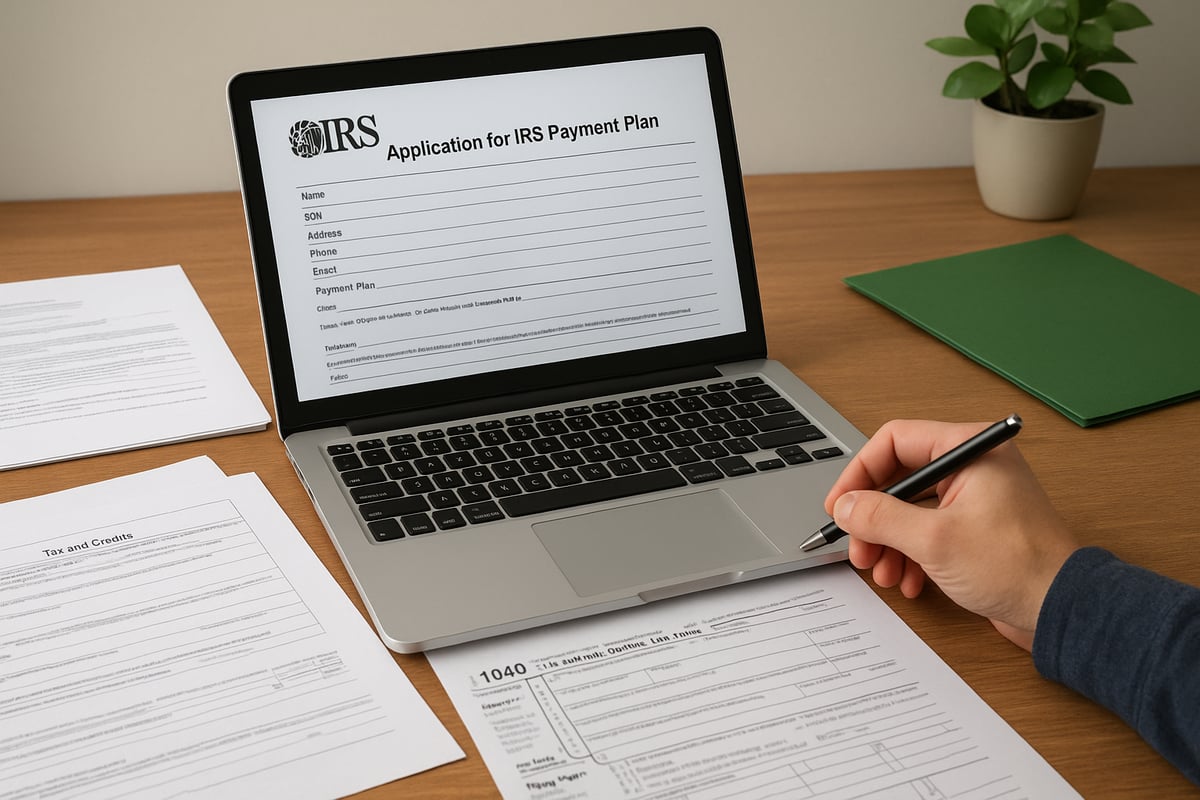
Here’s a step-by-step guide to help you get started:
- Gather Your Information: Make sure you have all your tax returns filed for the past six years. Collect your Social Security number or Tax ID, current address, bank account details, and proof of income.
- Choose Your Application Method: You can apply online via the IRS website, by phone, or by mailing in Form 9465. Online is usually the fastest, but phone or mail works if you prefer a personal touch.
- Determine Your Plan Type: Decide which irs back taxes payment plan fits your situation, whether it’s a short-term or long-term agreement. If you’re unsure, consider How to Negotiate Back Taxes with the IRS for tips that may help you qualify for better terms.
- Complete the Application: Fill out the required forms accurately. Double-check your numbers and details before submitting.
- Submit Supporting Documents: If your balance is high or you’re applying for a non-streamlined plan, you may need to provide financial statements or proof of hardship.
- Wait for IRS Response: The IRS typically responds within a few weeks. You’ll get a confirmation letter outlining your payment terms if approved.
Here’s a quick reference table of what you’ll need:
| Required Item | Details/Examples |
|---|---|
| Filed tax returns | Typically past 6 years |
| Social Security/Tax ID | For verification |
| Proof of income | Pay stubs, bank statements |
| Financial statements | For some long-term plans |
| Contact information | Address, phone, email |
| Bank account details | For automatic payments |
Once you’ve submitted your irs back taxes payment plan application, accuracy is key. Small mistakes can cause delays or denials. Here are some common errors to avoid:
- Submitting incomplete or incorrect forms
- Omitting required supporting documents
- Failing to file all past due returns
- Using outdated contact information
If your application is denied, review the IRS letter for the specific reason. Often, resolving missing paperwork or updating your info is all it takes to reapply successfully.
Tax professionals can be a huge asset. They’ll help you choose the right irs back taxes payment plan, ensure forms are accurate, and even communicate with the IRS on your behalf. Don’t hesitate to reach out for help if you’re unsure about any step.
Finally, keep an eye on your application status using the IRS online tools or by calling their support line. If there are updates to the process or new digital tools for 2026, check the IRS website regularly to stay informed.
With a little preparation and attention to detail, you can navigate the irs back taxes payment plan process with confidence.
Tips for Successfully Managing Your IRS Payment Plan
Managing your irs back taxes payment plan successfully means more than just making payments. It is about building consistent habits and staying ahead of any surprises. If you want to avoid extra headaches, a few simple strategies can make all the difference.
1. Stay Consistent with Your Payments
Consistency is your best friend. Set reminders for due dates or, even better, enroll in automatic payments. Direct debit ensures you never miss a payment, which helps you maintain your irs back taxes payment plan and avoid default.
2. Build a Budget That Works
Take time to map out your monthly income and expenses. Prioritize your irs back taxes payment plan just like any other important bill. Use budgeting apps or a simple spreadsheet to track your progress.
3. Automate for Peace of Mind
Automatic payments not only save time but also reduce the risk of missed payments. If your balance is over $25,000, the IRS may require direct debit, making automation essential. Check your bank statements regularly to confirm payments are processed.
4. Communicate Early with the IRS
If your financial situation changes, do not wait until you fall behind. Reach out to the IRS right away to discuss options. They may offer temporary relief or adjust your payment terms to keep your irs back taxes payment plan on track.
5. Review and Adjust as Needed
Life changes, and so do finances. Review your payment plan every few months. If you can afford to pay extra, consider doing so to reduce interest and penalties. For tips on reducing penalties, see the IRS Penalty Abatement Guide.
6. Keep Tax Filings Up to Date
Missing future tax filings can put your payment plan at risk. Always file on time and pay any new taxes as soon as possible. Staying compliant is crucial for the duration of your plan.
7. Learn from Success Stories
Many people have successfully completed their payment plans by staying organized and proactive. Small steps – like reviewing your budget, setting reminders, and reaching out for help – can make the process much smoother.
Frequently Asked Questions About IRS Back Taxes Payment Plans
If you are considering an irs back taxes payment plan, you probably have a lot of questions. Here are the answers to the most common concerns people have before, during, and after setting up a payment plan with the IRS.
Top FAQs at a Glance
| Question | Quick Answer |
|---|---|
| Can I change my irs back taxes payment plan? | Yes, you can request changes if your situation shifts. |
| What if I owe more taxes in the future? | You must stay current; new balances may require modifying your plan. |
| Will a payment plan affect my credit? | The IRS may file a tax lien, which can show up on your public record. |
| What happens if I move or change banks? | Notify the IRS and update your payment details right away. |
| Can I get professional help with my plan? | Absolutely, tax professionals can help you apply, appeal, or resolve problems. |
Can you change your irs back taxes payment plan if life throws a curveball?
Yes, if your finances change, you can contact the IRS to request a modification. They may adjust your monthly payment or switch you to a different plan.
What if you owe more taxes while on a plan?
You need to file and pay all future taxes on time. If you build up a new balance, the IRS might default your existing irs back taxes payment plan. It is crucial to stay current.
Does a payment plan hurt your credit?
The plan itself does not appear on your credit report, but if the IRS files a tax lien, that becomes public record. If you want to understand more about liens, check out IRS Tax Liens Explained.
What if you move or get a new bank account?
Update your address and payment info with the IRS as soon as possible. Missing a payment because of outdated details could lead to default.
Are there misconceptions about payment plans?
Some people think an irs back taxes payment plan stops all penalties or interest. In reality, those charges keep adding up until your debt is paid off.
Should you get professional help?
If your situation is complicated or you are unsure about your options, a tax professional can make the process smoother. For a deeper dive, you might want to watch the IRS Installment Agreements Explained video.
If you have a unique case, like being in bankruptcy or facing severe hardship, it is wise to seek expert advice. Staying informed and proactive is the best way to make your irs back taxes payment plan work for you.