

I’m Darrin Mish. Tampa tax attorney, 32 years in, more than $100 million in IRS debt resolved. What follows isn’t theory – it’s what I’ve actually watched work.
Are you overwhelmed by back taxes and constant IRS notices? If so, you’re definitely not alone. Every year, millions of Americans face the anxiety and uncertainty that comes with unresolved tax issues.
This guide will show you how a back tax lawyer can help you tackle tax problems in 2026, protect your assets, and regain your financial peace of mind. You’ll discover what back taxes are, how the IRS collects debts, your legal options for resolution, and how to choose the right professional for your needs.
Tax debt can feel stressful, especially as IRS enforcement actions increase. The good news is that with expert strategies and real solutions, you can stop collections and settle your debts. Ready to take control? Let’s get started.
Understanding Back Taxes and IRS Collection in 2026
Struggling with IRS debt can feel overwhelming, especially if you are unsure where to start. To take control, you need to understand what back taxes are, how the IRS finds and contacts you, the methods they use to collect, and what can happen if you ignore the problem. Let’s break it down step by step.

What Are Back Taxes?
Back taxes are simply taxes you owe from previous years that remain unpaid. This can happen for several reasons: maybe you missed a tax deadline, accidentally underpaid, or faced an audit and got hit with a new bill. Sometimes, businesses get behind on payroll taxes, adding to the problem.
In 2025, over 11 million Americans found themselves owing back taxes, according to Super Lawyers. It is not just individuals – businesses are often caught off guard by these debts as well. For example, someone might forget to file a return or a company could fall behind during a rough quarter.
Ignoring back taxes leads to more than just a headache. Penalties and interest start piling up quickly, and you may soon find yourself under increased IRS scrutiny. If you are facing these issues, a back tax lawyer can help you understand your situation and avoid costly mistakes.
How the IRS Identifies and Notifies Taxpayers
The IRS has a well-organized process for finding and notifying taxpayers about unpaid taxes. First, they send mailed notices – these include CP letters, which clearly outline what you owe and the steps you need to take. You can also check your account status online at IRS.gov.
It is important to know the IRS never contacts you by phone, text, or social media, so be cautious of scams. The process usually starts with an initial letter, followed by a demand for payment. If you do not respond, the case is escalated to collections.
To verify your tax status, request IRS transcripts or use their online tools. For instance, receiving a Notice CP14 means you have unpaid taxes and should act quickly. A back tax lawyer can guide you through the verification process, ensuring you respond correctly and on time.
IRS Collection Methods and Enforcement Actions
When back taxes are not paid, the IRS uses several methods to collect. They might apply your future tax refunds to your outstanding balance, known as a refund offset. If the debt remains, they can file a federal tax lien – a public claim on your property that hurts your credit and limits your ability to get loans.
More serious actions include tax levies, where the IRS seizes assets like your bank accounts, wages, or even property. Before enforcement, you will get a Collection Due Process notice, which is your last chance to respond.
In 2025, the IRS issued over 600,000 levies and 400,000 liens, showing their commitment to collecting unpaid taxes. You can find more details about these enforcement actions in the IRS Data Book 2024. If you are facing these risks, consulting a back tax lawyer is a smart move – they can help you protect your assets and negotiate with the IRS.
Consequences of Ignoring Back Taxes
Ignoring IRS notices does not make the problem go away. Penalties and interest continue to grow, sometimes doubling your debt in under five years. The IRS can seize your assets, garnish your wages, or empty your bank accounts.
Your credit can take a hit, making it hard to get loans or keep your business afloat. In severe cases, you could lose professional licenses or even your passport. Imagine a business owner suddenly losing access to operating funds after a levy – this is a real risk.
If you are feeling overwhelmed, a back tax lawyer can step in, stop the bleeding, and help you start fresh. Do not wait until enforcement begins – taking action now is the best way to protect yourself.
Legal Options for Resolving Back Taxes
Are you wondering what real solutions exist when the IRS comes knocking? The good news is, you have several legal paths to tackle back tax debt. With the right back tax lawyer guiding you, you can stop worrying and start working toward freedom. Let’s break down the most common options so you know what to expect.

Payment Plans and Installment Agreements
If paying your full tax debt right away feels impossible, don’t panic. The IRS offers payment plans to help you catch up over time. A back tax lawyer can help you choose between short term (up to 180 days) or long term (up to 72 months) agreements, based on your situation.
Short term plans work for debts under 100000, while long term agreements are for debts under 50000. You can apply online or negotiate directly with the IRS. Keep in mind, interest and penalties keep adding up while you pay.
Want to dig deeper? Our guide on IRS installment agreement options explains the process and what to expect. For example, a taxpayer might set up a 500 per month plan to pay off a 20000 tax bill. Having a back tax lawyer makes the process less stressful and helps you avoid costly mistakes.
Offer in Compromise (OIC): Settling for Less
Sometimes, the IRS will accept less than you owe if you truly can’t pay the full amount. This is called an Offer in Compromise. Your back tax lawyer will help you show that paying the full debt would create severe financial hardship.
To qualify, you must prove your income, expenses, and assets leave no way to pay in full. Application fees apply, and you’ll need detailed documentation. In 2025, only about 33 percent of OIC applications were accepted, so having a skilled back tax lawyer is vital.
Imagine settling a 50000 debt for just 18000 after submitting solid evidence. The right legal strategy can make all the difference here.
Currently Not Collectible Status (CNC)
If you’re facing a tough time financially, your back tax lawyer might recommend seeking Currently Not Collectible status. This means the IRS agrees to pause collection because you can’t pay without risking basic living expenses.
You’ll need to prove your hardship with documents showing your income and expenses. While the debt doesn’t go away, the IRS stops active collection efforts. They’ll review your case every year to see if your situation improves.
Let’s say you’re unemployed and can’t pay. A back tax lawyer can help you get CNC status so you can focus on recovery instead of collection threats.
Penalty Abatement and Interest Reduction
Penalties and interest can make a tax bill feel impossible. But did you know a back tax lawyer can help you request penalty abatement? If you’re a first time offender or have a good reason, like illness or disaster, you may qualify.
The process involves a written request and supporting documentation. Sometimes, thousands of dollars in penalties can be wiped away. For instance, a taxpayer who missed a deadline due to a medical emergency could have penalties removed after a back tax lawyer advocates on their behalf.
Don’t overlook this option, as it can make your overall debt much more manageable.
Bankruptcy and Tax Debt Discharge
In rare cases, bankruptcy can wipe out certain tax debts. Your back tax lawyer will explain if your situation qualifies. Generally, only older income tax debts are dischargeable, and strict rules apply: returns must be filed on time, the debt must be at least three years old, and payroll taxes are never forgiven.
Bankruptcy isn’t for everyone. It can impact your credit and may require selling assets. Still, if you’re drowning in debt, a back tax lawyer can help you weigh this option. For example, someone might discharge 15000 in old income tax debt through Chapter 7 bankruptcy after meeting all requirements.
Understanding your legal options is the first step toward regaining control. A back tax lawyer can help you choose the best path and protect your financial future.
The Role of a Back Tax Lawyer in 2026
Are you feeling overwhelmed by IRS notices, penalties, or threats of asset seizure? If you are dealing with tax issues, understanding the role of a back tax lawyer can be your first step toward relief and peace of mind. Let’s break down how these professionals can help you navigate the IRS maze in 2026.
When to Hire a Back Tax Lawyer
Not sure if you need a back tax lawyer? Here’s when it’s time to call in the experts: If your debt is large, the IRS is threatening liens or levies, or you’re facing an audit or criminal investigation, you need qualified help. A back tax lawyer is essential when negotiations with the IRS have failed or if your tax situation involves international or expat issues.
Statistics show that taxpayers with a back tax lawyer are three times more likely to secure favorable settlements. Imagine you receive notice of a wage garnishment and your attempts to resolve it go nowhere. That’s when a back tax lawyer becomes your strongest ally, stepping in with the legal expertise needed to protect your assets and guide you through the process.
Services Provided by Back Tax Lawyers
What exactly does a back tax lawyer do for you? They handle all communication with the IRS, negotiate payment plans, represent you during audits or appeals, and prepare unfiled returns. If you’re facing wage garnishment, they can act quickly to stop it. In fact, you can learn more about stopping IRS wage garnishment if that’s your immediate concern.
Here are some common services:
- IRS negotiations on your behalf
- Audit and appeal representation
- Defense in tax court
- Filing missing returns
For example, a back tax lawyer can halt a wage garnishment within days of being retained, giving you breathing room to find a permanent solution.
Advantages of Professional Legal Representation
Why should you trust a back tax lawyer with your case? Their in-depth knowledge of tax codes and IRS procedures gives you a clear advantage. They know all the relief programs and settlement options, and they can spot opportunities for penalty abatement that you might miss.
Benefits include:
- Protection from aggressive IRS tactics
- Higher chance of debt reduction
- Fewer costly mistakes
Picture this: An attorney negotiates an Offer in Compromise that you couldn’t secure alone. With a back tax lawyer, your chances of a favorable outcome increase dramatically.
Costs and Fee Structures
Worried about costs? Most back tax lawyer firms offer free initial consultations, so you can discuss your situation without commitment. Fee structures vary, including hourly rates, flat fees, or contingency pricing depending on your case’s complexity.
Typical arrangements:
- Hourly rates for ongoing advice
- Flat fees for specific services like Offer in Compromise preparation
- Transparent billing practices
For instance, you might pay a flat fee to have a back tax lawyer prepare and negotiate a settlement, knowing exactly what to expect from the start.
How the Law Offices of Darrin T. Mish, P.A. Can Help
With over 32 years of experience, the Law Offices of Darrin T. Mish, P.A. have resolved IRS tax problems for thousands nationwide. Their team stops wage garnishments, releases tax liens, negotiates settlements, and offers penalty abatement. Every client receives confidential, personalized consultation and rapid intervention for urgent IRS issues.

They’ve helped over 5,000 clients resolve more than $100 million in tax debt. Plus, they provide free resources and educational guides to empower you on your journey to financial freedom.
Step-by-Step Guide: Resolving Your Back Taxes in 2026
If you feel overwhelmed by IRS notices or growing tax debt, you are not alone. Resolving back taxes can feel like climbing a mountain, but breaking it down into manageable steps makes the process much easier. Here is a practical, step-by-step guide to help you regain control and work toward financial freedom in 2026.
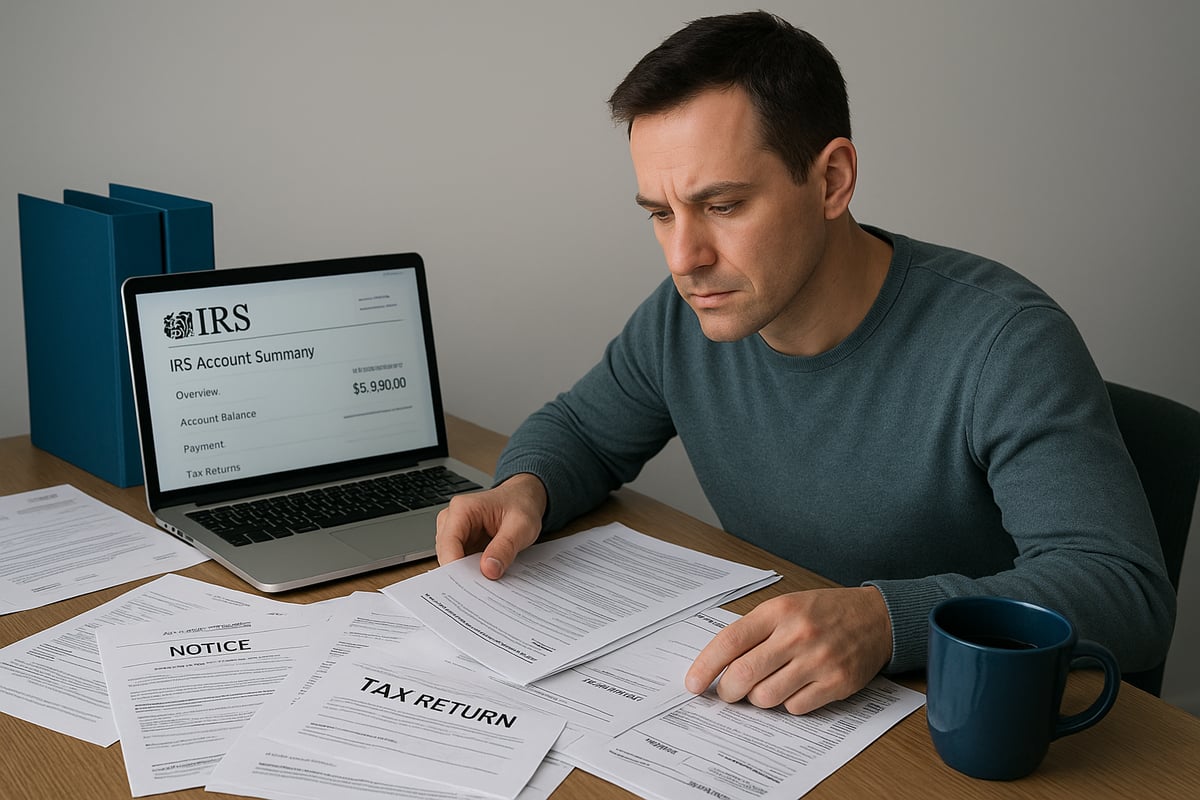
Step 1: Assess Your Tax Situation
Start by gathering every IRS notice, tax return, and account transcript you have. This is your tax “diagnosis,” and it will show you how much you owe, for which years, and why. Log in to IRS.gov to check your balances and see if there are unfiled returns or audit adjustments. Sometimes, a missing W-2 or overlooked 1099 is the main culprit.
List out:
- All years with unpaid taxes
- Any penalties or interest
- Notices received (like CP14 or CP501)
If you are unsure where to start, a back tax lawyer can review your documents and help you pinpoint the exact causes of your tax issues. For example, you may discover that a missing W-2 led to a $7,000 back tax bill from 2022. Knowing your situation is the first step to a real solution.
Step 2: Stop IRS Enforcement Actions
Once you know what you owe, act quickly to prevent the IRS from escalating collection actions. Open and read every IRS letter, even if it feels intimidating. Responding to notices on time can halt levies, garnishments, or liens before they begin.
You can request a “collection hold” to buy extra time while you organize your finances. If you have missing returns, file them as soon as possible. Filing late is always better than not filing at all, since it restores communication with the IRS and often stops enforcement.
A back tax lawyer can contact the IRS directly to request a temporary pause on collections, giving you breathing room to explore your options. For example, filing those overdue returns could halt a levy on your bank account and prevent further asset seizures.
Step 3: Evaluate Resolution Options
With your tax situation clear and enforcement paused, it is time to map out your resolution options. The IRS offers several programs, including payment plans, Offers in Compromise, Currently Not Collectible status, and, in some cases, bankruptcy. Assess your financial ability to pay, the value of your assets, and whether you are experiencing hardship.
Here is a quick comparison table for common IRS resolution paths:
| Option | Best For | Key Requirement |
|---|---|---|
| Payment Plan | Most taxpayers | Ability to pay over time |
| Offer in Compromise | Those unable to pay in full | Proof of hardship |
| Currently Not Collectible | No ability to pay at all | Severe financial hardship |
| Bankruptcy | Qualifying old tax debts | Strict eligibility rules |
A back tax lawyer will help you weigh these options, considering both short-term relief and long-term impact. For example, a family may choose an installment agreement over an Offer in Compromise if their income is steady.
Step 4: Negotiate or Apply for Relief
Once you have chosen your resolution strategy, it is time to take action. Submit the required IRS forms, such as Form 9465 for an installment agreement or Form 656 for an Offer in Compromise. Gather supporting documents, including proof of income, expenses, assets, and any hardship you are facing.
A back tax lawyer can negotiate directly with the IRS on your behalf, increasing your chances of approval. If you are considering an Offer in Compromise, you can learn more about the process by reading this Offer in Compromise process explained guide. Following up regularly with the IRS or your legal representative helps ensure your case moves forward.
For example, a taxpayer’s OIC was approved after submitting detailed medical expense documentation, thanks to a lawyer’s expertise in presenting a compelling case.
Step 5: Comply with Agreement Terms
You have reached an agreement, but staying in compliance is just as important as getting relief. Make every payment on time, whether it is monthly installments or a lump sum settlement. File all future tax returns promptly, as missing a deadline can default your agreement and restart collections.
A back tax lawyer will remind you of key deadlines and help you monitor your IRS account for any errors or changes. For instance, a taxpayer stayed in good standing for 12 months by making on-time payments and maintaining open communication with their lawyer. If you ever miss a payment, contact your back tax lawyer right away to avoid penalties or default.
Step 6: Prevent Future Back Tax Issues
The best way to avoid future tax problems is to build better habits now. Adjust your payroll withholdings or estimated payments to match your true tax liability. Set calendar reminders for tax deadlines and consider using tax software or a professional preparer.
Meet with a back tax lawyer or CPA annually to review your tax situation and plan ahead. For example, a business owner avoided payroll tax debt by consulting a CPA before the next filing season. Small steps today can save you from big headaches tomorrow.
Choosing the Right Back Tax Lawyer for Your Needs
Selecting the right back tax lawyer can feel overwhelming, especially when you are already dealing with IRS pressure. You want someone who not only understands the law but also understands your stress and unique situation. So, how do you find the perfect fit who will fight for your financial future?
Key Qualities to Look For
When searching for a back tax lawyer, focus on a few critical qualities. Specialization in IRS and state tax law is essential. You want someone who deals with tax resolution every day, not a generalist who only dabbles in tax cases.
Look for a proven track record. Has the back tax lawyer resolved cases similar to yours? Check for client testimonials and independent ratings, like an Avvo 9.9 score. Transparent communication is also key. Your lawyer should explain the process in simple terms and keep you informed at every step.
Empathy matters too. Facing the IRS is stressful, so your back tax lawyer should show understanding and patience as you work through your options.
Questions to Ask During Consultation
Before hiring a back tax lawyer, prepare questions to ensure you find the right match. Ask about their experience with cases like yours. How many years have they handled IRS tax resolution? What strategies do they recommend for your specific situation?
You should also ask how the back tax lawyer charges for services. Is it a flat fee, hourly rate, or contingency? What is the expected timeline for your case? The right lawyer will welcome your questions and provide clear, honest answers.
For example, a client might choose a back tax lawyer who offers a personalized action plan and realistic expectations over one who seems vague or rushed.
Red Flags and Warning Signs
Not all professionals have your best interests at heart. Watch for red flags when choosing a back tax lawyer. Be wary of anyone who promises "guaranteed" results or instant debt forgiveness, since no one can guarantee IRS outcomes.
Check credentials carefully. Avoid lawyers with a history of disciplinary actions or those who lack proper licensing. High-pressure sales tactics and unclear fee structures are also warning signs.
If a firm demands a large upfront payment without a written agreement, consider it a major red flag. Instead, look for a back tax lawyer who is transparent about costs and provides a written contract outlining services.
Comparing Local vs. National Firms
Should you hire a local back tax lawyer or a national firm? Local firms offer in-person meetings and deep knowledge of state tax laws. National firms, on the other hand, bring broader resources and experience with complex IRS cases. Many offer virtual representation, which is ideal for expats or those with busy schedules.
If your case involves IRS liens or property claims, you might value a firm with extensive experience in IRS tax lien solutions. Some clients prefer the face-to-face approach of a local back tax lawyer, while others appreciate the convenience and reach of a national firm. Think about your comfort level and your case’s complexity before deciding.
Preparing for Your First Meeting
When you schedule your first meeting with a back tax lawyer, preparation is key. Bring all IRS correspondence, tax returns, and any relevant financial documents. Make a list of your questions and goals for the consultation.
Be honest about your financial situation and prior tax history. The more open you are, the better advice your back tax lawyer can provide. For instance, a taxpayer who shares their full story often receives a clear roadmap for resolution after their first consultation.
Taking these steps helps you get the most out of your time and ensures your back tax lawyer can start building the strongest possible case on your behalf.
Frequently Asked Questions About Back Tax Lawyers and IRS Resolution
If you are facing IRS debt, you probably have lots of questions. Let's go through the most common concerns about working with a back tax lawyer and how you can resolve your IRS issues.
How do I know if I need a back tax lawyer?
Wondering if your tax situation is serious enough to call a back tax lawyer? Here are a few signs: you owe a large sum, the IRS is threatening liens or levies, negotiations with the IRS haven't worked, or you're under audit or criminal investigation.
For example, a business owner facing $80,000 in payroll tax debt will benefit from a back tax lawyer's expertise. If you feel overwhelmed, it's best to consult a back tax lawyer early, before the IRS takes aggressive action. The right help can make a huge difference in your outcome.
Can a lawyer really stop IRS collections?
A back tax lawyer can absolutely help stop IRS collections. They know how to request collection holds, negotiate settlements, and file appeals on your behalf. This can pause wage garnishments, bank levies, or property seizures while your case is being resolved.
In fact, the IRS recovered $4.7 billion in back taxes in 2025 through enforcement, which shows how serious collections can get if you wait too long (IRS Recovers $4.7 Billion in Back Taxes). With a back tax lawyer, you are much more likely to stop collections quickly and protect your assets.
What documents will I need to resolve my back taxes?
Gathering the right paperwork is crucial. A back tax lawyer will typically ask for your past tax returns, all IRS notices, and records of your income, expenses, and assets. If you’re applying for an Offer in Compromise, you’ll need detailed financial disclosures.
Keep everything organized in folders: W-2s, 1099s, bank statements, and correspondence with the IRS. For example, a back tax lawyer can guide you through the process and help you submit the correct forms, reducing the risk of delays or denials.
How long does the IRS have to collect back taxes?
The IRS usually has 10 years from the date of assessment to collect back taxes. There are exceptions, like if you file bankruptcy, appeal your case, or are involved in fraud, which can pause or extend the clock.
For instance, a debt from 2016 might expire in 2026 unless you take actions that give the IRS more time. A back tax lawyer can review your case and let you know exactly how much time the IRS has left, helping you plan your next steps wisely.
What if I can’t afford to pay anything?
If paying your tax debt is impossible, a back tax lawyer can help you explore options. You might qualify for Currently Not Collectible (CNC) status, an Offer in Compromise, or even bankruptcy for some older debts.
For example, an unemployed taxpayer who proves they have no ability to pay can get CNC status after a financial review. A back tax lawyer will assess your eligibility for each option and help you submit the right paperwork, so you can breathe easier.
Will resolving back taxes affect my credit?
Resolving your IRS debt may impact your finances, but the IRS no longer reports tax liens to credit bureaus as of 2018. However, tax liens are still public records, and some lenders may check those before approving loans.
If you use a back tax lawyer to get your debt settled or removed, your financial standing will likely improve over time. Paying off or negotiating your balance shows responsibility and can help you rebuild your credit faster.
What happens if I ignore IRS notices?
Ignoring IRS notices is risky. The IRS will keep adding penalties and interest, and could file liens, levy your accounts, garnish your wages, or even take legal action.
For example, a taxpayer who ignores several IRS letters may wake up to find their paycheck garnished. A back tax lawyer can help you respond quickly, avoid the worst consequences, and get back in good standing before things spiral out of control.