

I’m Darrin Mish. Tampa tax attorney, 32 years in, more than $100 million in IRS debt resolved. What follows isn’t theory – it’s what I’ve actually watched work.
Are you a Florida resident or business owner looking ahead to 2026? Understanding how taxes work in your state is more important than ever, especially with new changes on the horizon.
Florida stands out for its unique approach to taxation. There’s no state income tax, so the tax of florida relies on other sources like sales and property taxes. That creates both opportunities and challenges for your financial planning.
Staying ahead with the right tax knowledge can help you avoid costly mistakes and keep more of your hard-earned money. In this guide, you’ll discover everything you need to know about Florida’s tax landscape, the major taxes you’ll face, upcoming changes in 2026, compliance steps, and expert tips for residents and businesses.
Overview of Florida’s Tax Landscape in 2026
Florida’s approach to state taxes has long been a hot topic for anyone planning their financial future. If you’re curious about the tax of florida, you’re not alone. With 2026 on the horizon, understanding how the state’s unique tax system works is more important than ever for both residents and businesses.

Florida’s No-Income-Tax Reputation and Funding Sources
One of the standout features of the tax of florida is the complete absence of a state personal income tax. This policy attracts not only retirees and remote workers but also businesses looking for a tax-friendly environment. But how does the state fund its public services, from schools to roads?
The answer lies in a mix of revenue streams:
- Sales tax: The backbone of the tax of florida, with a base rate of 6 percent as of 2024.
- Property tax: Collected at the county level, funding local schools and infrastructure.
- Corporate income tax: Set at 5.5 percent, contributing to state coffers.
- Tourism-related taxes: Hotel, rental car, and attraction taxes help capture revenue from visitors.
For the 2025-2026 fiscal year, sales tax is expected to remain the largest revenue source, followed by property taxes and corporate income taxes. You can get a detailed look at these allocations in the Florida’s 2025-2026 Budget Overview.
Local Taxes, Surcharges, and Key Differences
What really sets the tax of florida apart from other states is how much rests on local government shoulders. Counties and cities can add local surtaxes to the state sales tax, which means your total rate can change depending on where you shop or run your business. Special assessments may also be levied for things like fire protection or road improvements.
Here’s a quick comparison of tax structures:
| State | Income Tax | Sales Tax | Property Tax | Special Local Taxes |
|---|---|---|---|---|
| Florida | No | 6%+ | Yes | Yes |
| California | Yes | 7.25%+ | Yes | Yes |
| Texas | No | 6.25%+ | Yes | Yes |
Unlike states with high income taxes, the tax of florida relies more heavily on what you buy and own, not what you earn. This makes budgeting more predictable for many, but it also means being mindful of local rate changes.
Population Growth, Migration, and Who Benefits
Florida’s population has soared in recent years, with many people relocating from states with steeper income taxes. This migration impacts the tax of florida by expanding the tax base, particularly through increased sales and property taxes.
Retirees often benefit the most, as Social Security and pension income escape state taxation. Remote workers also find the state appealing, since they can keep more of their paycheck while enjoying Florida’s lifestyle.
For example, a retired couple from New York might save thousands annually simply by moving their primary residence to Florida. Similarly, an entrepreneur relocating a business can take advantage of lower overall tax liability compared to high-tax states.
Anticipated Legislative Changes and Debates for 2026
Looking ahead, lawmakers continue to fine-tune the tax of florida. Several property tax reduction proposals are in the works for the 2026 ballot, aiming to ease the burden on homeowners and potentially attract even more new residents. There’s also ongoing debate about adjusting local surtaxes and how best to allocate rising revenues from tourism and population growth.
As these debates unfold, staying informed will be crucial. Expect clear communication from state and local agencies as any changes are finalized and rolled out.
Major Taxes in Florida: What Residents and Businesses Need to Know
Florida stands out for its no state income tax policy, but the tax of florida is still a crucial topic for anyone living or doing business here. Instead of taxing personal income, the state relies on a combination of sales, property, corporate, and other taxes to fund public services. Understanding the tax of florida in detail can help you plan your finances, avoid surprises, and take advantage of savings opportunities. Let’s break down the major taxes that shape the financial landscape for both residents and businesses.

State Sales and Use Tax
The backbone of the tax of florida is the state sales and use tax, which sits at 6% as of 2024 and could see adjustments by 2026. Local counties and cities often tack on their own surtaxes, so your total rate may be higher depending on where you shop. For example, Miami-Dade and Orange County each have different local rates, meaning the tax on a car purchase can change noticeably from one city to another.
Not every item is taxable. Groceries and prescription drugs are generally exempt, while most goods and some services are taxed. Online shopping is subject to the same rules, especially since the Wayfair decision, which requires remote sellers to collect the tax of florida for purchases made by Florida residents.
If you run a business, keeping accurate records and staying current with local surtax changes is key. Want to get ahead? Check out Tax planning for individuals in Florida for in-depth strategies and compliance tips.
Property Taxes
Property taxes are another pillar of the tax of florida, assessed by county appraisers using local millage rates. Thanks to the homestead exemption, eligible homeowners can reduce the taxable value of their primary residence, saving significant money each year. Updates to this exemption may arrive by 2026, so it’s wise to keep an eye on new rules.
The “Save Our Homes” cap limits how much your assessed value can increase annually, providing stability for longtime residents. Snowbirds and second-home owners, however, do not receive these same protections, so their bills can fluctuate more.
Let’s say you own a $400,000 home in Tampa. The property tax calculation will factor in the local millage rate and any exemptions, making it essential to understand your eligibility. Recent trends show rising property values, so proactive planning is more important than ever to manage the tax of florida.
Corporate Income Tax and Business Taxes
The tax of florida for businesses comes primarily from the corporate income tax, set at 5.5% as of 2024. This rate could shift by 2026, so keeping up with legislative updates is crucial. Corporations, most LLCs, and some S-corps must file, though certain exemptions apply. In addition, businesses may owe tangible personal property tax on equipment and furnishings.
Florida is known for offering credits and incentives to attract new companies and encourage expansion. If you’re considering relocating your operation, comparing the tax of florida to other states often reveals significant savings, especially for small businesses.
For example, a Florida-based business generally enjoys a lighter tax load than similar companies in states with both income and high corporate taxes. This competitive edge is one reason the state sees steady business growth.
Other Key Taxes and Fees
Beyond the main pillars, the tax of florida includes several other taxes and fees that impact residents and businesses. The documentary stamp tax applies to real estate transactions and certain financial documents. Communications services tax covers phone, cable, and streaming bills, while the tourist development tax helps fund local economies through visitor spending.
You’ll also encounter motor vehicle registration fees and fuel taxes, which help maintain roads and infrastructure. Lesser-known taxes, like the insurance premium tax and intangibles tax, can affect certain businesses and individuals, depending on your situation.
Understanding all aspects of the tax of florida ensures you’re not caught off guard by unexpected charges. Staying informed and proactive is the best way to avoid costly surprises and keep your finances on track in 2026.
Upcoming Tax Law Changes and What to Expect in 2026
As 2026 approaches, the tax of florida landscape is on the verge of significant transformation. If you live or run a business in the Sunshine State, it's essential to stay ahead of legislative changes and federal updates. Let’s break down what’s coming, so you can prepare and avoid surprises.

Legislative Updates and Ballot Measures
Florida’s legislature has been especially active, proposing and passing tax measures that will shape the tax of florida for years to come. In 2026, expect to see several key bills take effect, including adjustments to property taxes, local surtaxes, and targeted relief for homeowners and businesses.
Voters will also play a direct role. Multiple constitutional amendments and ballot initiatives are slated for the 2026 election cycle. For example, there are ongoing debates about school funding, with proposals to adjust property tax rates to support education. Lawmakers have filed several property tax reduction proposals for the 2026 ballot, which could provide meaningful relief to homeowners if approved. For more details on these proposals and their potential impact, see the Proposed Property Tax Reductions for 2026 Ballot.
Here’s what to watch for:
- Changes in homestead exemption amounts or eligibility.
- Adjustments to local surtax rates in major counties.
- Updates to documentary stamp and tourism taxes.
- Clear timelines for when new rules take effect, often communicated via mail, online portals, and public notices.
Staying informed about these legislative shifts is crucial for anyone navigating the tax of florida.
Federal Tax Changes Impacting Floridians
While Florida famously has no state income tax, federal tax changes can still ripple through your finances and impact the overall tax of florida experience. In 2026, several provisions from the Tax Cuts and Jobs Act (TCJA) are set to expire. This means potential changes to federal tax brackets, the standard deduction, and estate tax exemptions.
Even though the SALT (State and Local Tax) deduction limit doesn’t hit Floridians as hard as residents of high-income-tax states, changes at the federal level could still influence how much you pay overall. Business owners should also keep an eye on evolving IRS enforcement priorities, as audit rates and reporting requirements may increase for certain industries.
Key areas to monitor:
- Expiring individual tax cuts and possible higher federal rates.
- Shifts in business deduction rules.
- Increased scrutiny of remote workers and out-of-state income.
- IRS focus on high-value property transactions and capital gains.
If you’re planning major financial moves in 2026, factor in these federal adjustments alongside the tax of florida policies.
Compliance Deadlines and New Filing Requirements
With new tax of florida laws kicking in, staying compliant means tracking fresh deadlines and meeting updated documentation standards. Whether you’re a homeowner or a business owner, missing a deadline or failing to provide the right paperwork can lead to costly penalties.
Here’s a quick reference for 2026:
| Tax Type | Filing Deadline | Notable Changes |
|---|---|---|
| State Sales Tax | 20th of each month | New online reporting mandates |
| Property Tax | March 31 | Updates to exemption forms |
| Corporate Income Tax | May 1 | Adjusted return schedules |
Important compliance tips:
- Review all mailed notices and check county websites for local tax deadlines.
- Gather supporting documents early, including receipts, appraisals, and exemption forms.
- Watch for new e-filing requirements or changes in accepted payment methods.
Penalties for late or incorrect filings may increase in 2026, making it essential to double-check your submissions. If you’re unsure, Florida’s Department of Revenue and local tax offices offer resources to help you navigate the evolving tax of florida requirements.
Step-by-Step Guide: How to Stay Compliant with Florida Taxes in 2026
Navigating the tax of florida can feel overwhelming, but a clear plan makes compliance manageable. Whether you’re a resident or business owner, following these steps will help you avoid surprises and stay on solid financial ground in 2026.
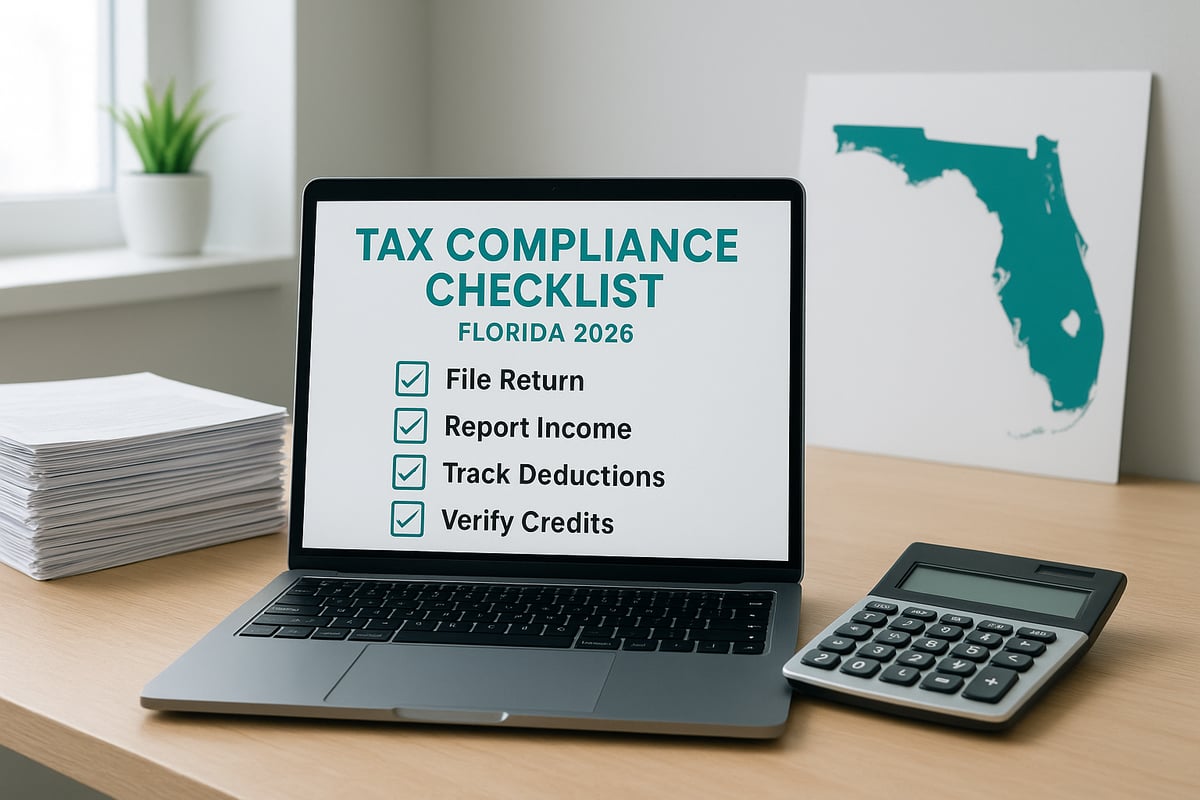
Step 1: Determine Your Tax Obligations
Your first move with the tax of florida is figuring out exactly what you owe. Are you a full-time resident, a snowbird, or a business owner? Each status changes your tax responsibilities.
Residency affects property taxes, homestead exemptions, and sometimes local fees. Businesses must confirm their entity type – LLC, corporation, partnership – since each faces different filing rules.
Don’t forget to check both state and local requirements. Many counties and cities in Florida have their own surtaxes or special assessments. Knowing your obligations upfront prevents headaches later and helps you stay compliant with the tax of florida.
Step 2: Gather and Organize Documentation
Good record-keeping is your best friend when tackling the tax of florida. Start early by collecting receipts, property appraisals, income statements, and business expense logs.
Decide if you’ll keep your records digitally or on paper. Digital tools make it easy to search and store documents securely, but always back up your files.
Here’s a quick checklist for year-end tax prep:
- W-2s, 1099s, or business income statements
- Property tax bills and appraisals
- Receipts for deductible expenses
- Documentation for exemptions or credits
Staying organized means you won’t scramble when deadlines approach, making the tax of florida much less stressful.
Step 3: File and Pay Taxes On Time
When it comes to the tax of florida, punctuality is key. Mark your calendar with all 2026 filing deadlines for sales tax, property tax, and business tax returns. Florida offers online portals for most filings, making payments quicker and easier.
Be sure to use the correct payment method – ACH, credit card, or check – depending on the tax type. Late payments can trigger penalties and interest, so always double-check due dates.
Keep an eye out for grace periods, but don’t rely on them. Filing on time helps you avoid costly errors. Curious about the most frequent pitfalls? Check out this helpful guide on common tax mistakes to avoid.
If you’re unsure about a form, ask for help before submitting. Being proactive with the tax of florida means fewer headaches and more peace of mind.
Step 4: Take Advantage of Exemptions and Credits
Florida’s tax system offers several ways to lower your bill. For homeowners, the homestead exemption can save thousands, but you must apply by the deadline each year. Portability lets you transfer savings when moving within the state.
Businesses should explore available tax credits – some reward hiring veterans, investing in certain areas, or going green. Not-for-profits and manufacturers can benefit from specific sales tax exemptions.
Don’t miss out on temporary relief programs like sales tax holidays, which let you buy school supplies or hurricane prep items tax-free. The key to maximizing savings with the tax of florida is staying informed and submitting all required documentation.
If you qualify for multiple credits or exemptions, organize your paperwork early so you can claim everything you deserve under the tax of florida.
Step 5: Plan for Audits and Disputes
Nobody wants an audit, but being prepared is half the battle. The tax of florida can trigger audits for things like mismatched income, missing documentation, or sudden changes in deductions.
If you receive a notice from the Florida Department of Revenue, don’t panic. Review your records, respond promptly, and seek clarification if needed. If you want to get ahead, browse resources about IRS audits and Florida taxpayers to understand what to expect.
Should you disagree with the state’s findings, there’s an appeals process. Keep copies of all correspondence and know your rights. Preparation and organization make resolving disputes with the tax of florida much smoother.
Step 6: Seek Professional Help When Needed
Sometimes, the tax of florida gets complicated. If you’re facing IRS notices, wage garnishments, or have questions about business compliance, consulting a CPA, tax attorney, or enrolled agent is wise.
Many communities offer free or low-cost tax clinics – these can be lifesavers for both individuals and small businesses. Don’t wait until you’re overwhelmed. One small business owner avoided thousands in penalties by reaching out early for professional advice.
Remember, getting help with the tax of florida is not a sign of weakness. It’s a smart move that can save you time, money, and stress.
Tax Tips and Strategies for Florida Residents and Businesses in 2026
Are you ready to make the most of the tax of florida in 2026? With smart planning, you can avoid unnecessary stress, save more money, and stay ahead of tax changes. Let’s dive into practical tips for residents and business owners, so you can feel confident when tax season rolls around.
Maximizing Tax Savings
If you want to stretch your dollars further, understanding the tax of florida is key. Homeowners can benefit from the homestead exemption and portability, which can reduce property tax bills and let you carry savings to a new home. Businesses can save, too, by structuring as LLCs or S-corps, which may provide lower tax burdens compared to other states.
Sales tax breaks are another big win. Manufacturers and nonprofits often qualify for exemptions. And don’t forget about seasonal reliefs like back-to-school sales tax holidays, which let families and educators stock up without extra costs. Business owners should pay close attention to recent updates, like the Elimination of Florida’s Business Rent Tax coming in October 2025, which could significantly lower commercial expenses.
Here’s a quick look at top strategies:
| Tax Savings Strategy | Who Benefits | Key Details |
|---|---|---|
| Homestead Exemption | Homeowners | Reduces property taxes |
| Portability | Homeowners | Transfers tax savings |
| Business Entity Planning | Business Owners | LLC/S-corp flexibility |
| Sales Tax Holidays | All Residents | Tax-free shopping events |
| Rent Tax Elimination | Businesses | Lowers operating costs |
By using the right mix of these tools, you’ll make the tax of florida work for you.
Avoiding Common Tax Mistakes
Navigating the tax of florida can seem simple, but there are easy pitfalls that trip up even seasoned residents and business owners. Overlooking small but important details can lead to penalties or missed savings.
Watch out for these common mistakes:
- Forgetting to account for local surtaxes or special assessments, which can add up quickly.
- Missing deadlines for filing required business returns or sales tax reports.
- Misclassifying workers as contractors instead of employees, leading to compliance headaches.
- Not keeping records organized, making audits more stressful.
One major issue is failing to seek help when tax problems arise. If you’re facing tax debt or compliance challenges, don’t wait until it’s too late. Resources like Tax relief options in Florida can help you resolve issues before they snowball.
Recent audits by the Florida Department of Revenue have uncovered costly errors, especially when businesses try to handle everything alone. Taking time to review your filings and stay proactive will help you avoid the most common traps with the tax of florida.
Planning for Retirement and Relocation
The tax of florida is a major draw for retirees and those relocating, thanks to its lack of state income tax on pensions and Social Security. If you’re planning a move, it’s smart to review how local taxes, property values, and estate planning rules impact your overall financial picture.
Here’s a relocation and retirement checklist:
- Confirm your residency status for tax purposes.
- Apply for the homestead exemption if eligible.
- Review property tax rates in your new community.
- Consider portability to transfer tax savings when buying a new home.
- Update your estate plan to minimize probate and inheritance taxes.
If you split your time between states, keep careful records of where you spend the majority of your days. Remote workers should watch for local tax requirements, especially if you sometimes work outside Florida.
With a little planning, you can enjoy all the benefits the tax of florida has to offer and avoid surprises down the road.
Staying Informed and Adapting to Changes
Tax law is always evolving, and the tax of florida is no exception. Staying up to date ensures you never miss out on new savings or fall behind on important requirements. Reliable sources like the Florida Department of Revenue, the IRS, and trusted news outlets are your best friends for timely updates.
Set reminders for key tax deadlines and keep an eye on legislative sessions for possible changes. If you’re unsure about a new rule or filing requirement, reach out to a tax professional or take advantage of free resources.
Ongoing tax planning is not just for the wealthy. Whether you’re a retiree, a business owner, or a first-time homebuyer, checking in with an expert can help you adapt as the tax of florida changes. Staying proactive is the best way to keep your finances on track and your stress levels low.
Article written using RankPill.