

Quick answer: IRS tax rebates are direct payments from the federal government, typically tied to legislation like the Recovery Rebate Credit. These are different from refundable tax credits and from settlement amounts under Offer in Compromise. If you didn’t receive a rebate you were entitled to, you can claim it via amended return for the correct year.
I’m Darrin Mish. Tampa tax attorney, 32 years in, more than $100 million in IRS debt resolved. What follows isn’t theory – it’s what I’ve actually watched work.
Have you been hearing about irs tax rebates and wondering if you're leaving money on the table? You're not alone. With all the confusion surrounding tax credits, rebates, and refunds, many taxpayers don't realize they might qualify for significant financial relief. The good news is that understanding these rebates doesn't require a degree in accounting, and some of them could put real money back in your pocket this year.
What Exactly Are IRS Tax Rebates?
Let's clear up some confusion right away. When people talk about irs tax rebates, they're usually referring to refundable tax credits that the IRS distributes to eligible taxpayers. Unlike deductions that simply reduce your taxable income, these rebates actually put money directly into your bank account.
Think of it this way: a deduction might save you $200 on a $1,000 expense, but a rebate gives you actual cash back. The IRS processes these payments either as part of your regular tax refund or as separate direct deposits, depending on the program.
The Difference Between Rebates and Refunds
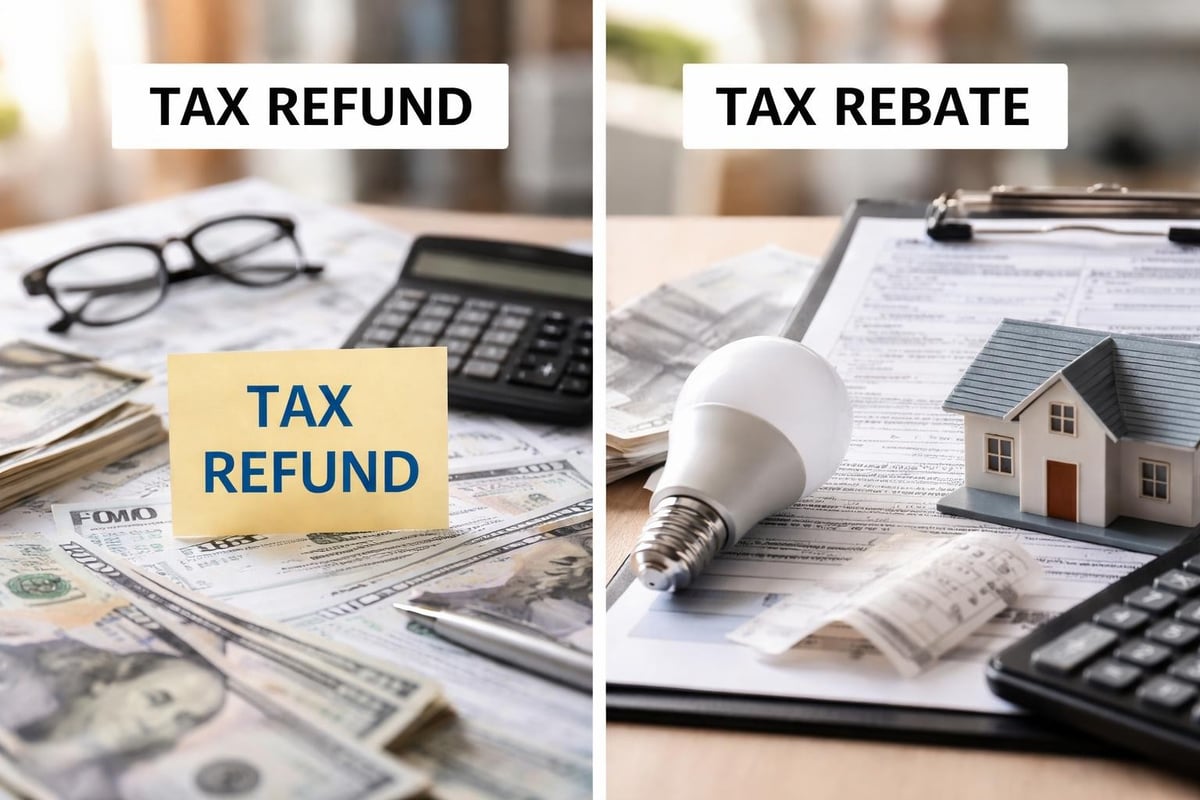
Here's where things get interesting. Your tax refund is simply the IRS returning money you overpaid throughout the year through withholding. A rebate, on the other hand, is money you receive based on specific qualifying circumstances, even if you didn't overpay your taxes.
Key differences include:
- Refunds come from excess withholding you already paid
- Rebates are credits you earn based on eligibility criteria
- You can receive both a refund and rebates in the same year
- Rebates may require specific actions or purchases to qualify
Recovery Rebate Credits You Might Have Missed
Remember those stimulus payments from recent years? Many taxpayers still don't realize they might qualify for additional recovery rebate credits. The IRS has been sending payments to individuals who missed claiming these credits on their 2021 returns.
If you didn't file a return in previous years because your income was too low, you might still be eligible. The IRS doesn't always have your current information, which means you might need to take action to claim what's rightfully yours.
Who Qualifies for Recovery Rebates?
The eligibility requirements focus on your adjusted gross income, filing status, and dependent situation. Here's what matters:
- Your income must fall below specific thresholds
- You must have a valid Social Security number
- You cannot be claimed as a dependent on someone else's return
- You must file a tax return to claim the credit, even if you don't typically file
If you're dealing with unfiled tax returns, this becomes even more critical. You can't claim rebates for years when you haven't filed, which means leaving money unclaimed.
Energy-Related Tax Rebates for Homeowners
Did you make any home improvements last year? You might qualify for substantial irs tax rebates through energy efficiency programs. The federal government significantly expanded these credits, and they're more generous than ever in 2026.
The Residential Clean Energy Credit allows you to claim up to 30% of the cost of installing renewable energy systems. We're talking about solar panels, wind turbines, geothermal heat pumps, and even solar water heaters.
| Energy Improvement | Credit Percentage | Maximum Credit | Eligible Years |
|---|---|---|---|
| Solar Panels | 30% | No limit | Through 2032 |
| Wind Turbines | 30% | No limit | Through 2032 |
| Geothermal | 30% | No limit | Through 2032 |
| Energy Efficient Windows | 30% | $600 | 2023-2032 |
| Heat Pumps | 30% | $2,000 | 2023-2032 |
Home Improvement Credits Worth Claiming
Beyond renewable energy, the Energy Efficient Home Improvement Credit covers a wide range of upgrades. This includes insulation, windows, doors, heat pumps, and central air conditioning systems.
The annual limit for most improvements is $1,200, but certain items like heat pumps and biomass stoves have higher individual limits. The Department of Energy provides detailed guidance on which specific products qualify and how to document your purchases.
Many taxpayers miss these credits simply because they don't keep proper documentation. Save your receipts, manufacturer certifications, and contractor invoices. You'll need them when filing your return.
Common Tax Credits Often Confused with Rebates
You've probably heard about various tax credits for individuals and wondered which ones apply to your situation. Let's break down the most valuable ones:
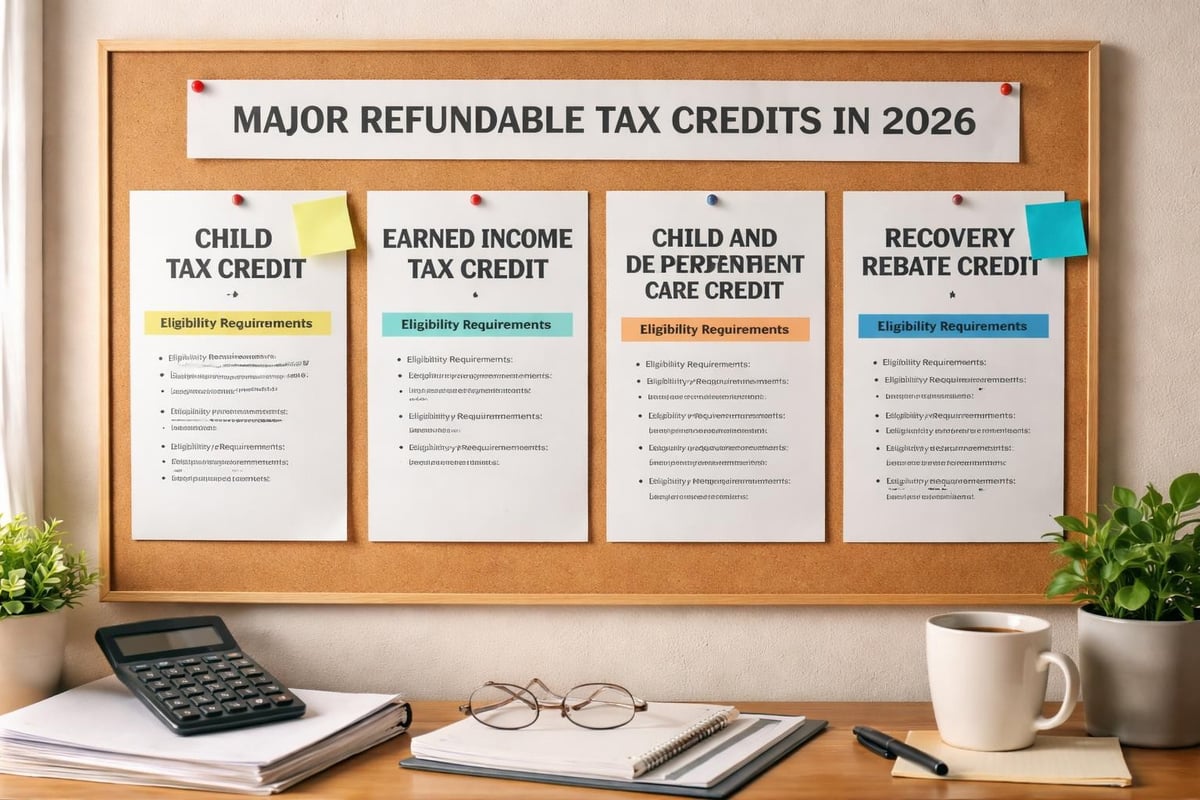
The Child Tax Credit provides up to $2,000 per qualifying child under 17. The refundable portion (what you can receive as a rebate even with no tax liability) is up to $1,700 per child in 2026.
The Earned Income Tax Credit is one of the most valuable credits for working families, worth up to $7,830 for families with three or more children. It's fully refundable, meaning you get the entire amount even if you owe no taxes.
The Child and Dependent Care Credit helps offset the cost of daycare and similar expenses, worth up to $2,100 for two or more dependents.
Maximizing Your Credit Claims
Here's a question nobody asks but everyone should: Are you claiming every credit you qualify for? Most taxpayers leave money on the table simply because they don't know what's available.
Steps to ensure you're not missing credits:
- Review the previous year's changes to tax law
- Keep detailed records of qualifying expenses throughout the year
- Consult the IRS website for updated credit information
- Consider professional help if your situation is complex
- File even if your income is below the filing threshold
For updates on potential new rebate programs, U.S. Presidential Report often covers legislative developments that could impact your taxes, including proposed initiatives like tariff-funded stimulus checks.
Why Your IRS Tax Rebate Might Be Delayed
So you filed your return, claimed your credits, and now you're waiting. And waiting. What gives? Tax rebate delays frustrate millions of taxpayers every year, but understanding the common causes can help you avoid them.
The most frequent reason is simple math errors on your return. When the IRS computer system flags an inconsistency, your return gets pulled for manual review. This can add weeks or even months to your processing time.
Common delay triggers include:
- Claiming the Earned Income Tax Credit or Additional Child Tax Credit (these require extra verification)
- Filing before receiving all your tax documents
- Errors in your bank account information for direct deposit
- Identity theft concerns flagging your return
- Amended returns or prior-year issues
Several reasons can slow down your tax refund, and many are within your control. Filing electronically with direct deposit is the fastest way to receive your money.
What to Do If Your Rebate Never Arrives
Sometimes rebates get lost in the system. If it's been more than 21 days since you filed electronically (or six weeks for paper returns), it's time to investigate.
Your first step is checking the IRS "Where's My Refund?" tool online. This tracks your return through three stages: received, approved, and sent. If your rebate shows as sent but you haven't received it, you may need to file Form 3911 to trace the payment.
If you're dealing with more complex issues like tax liens or wage garnishments, your rebate might be offset to pay existing tax debt. The IRS will send you a notice explaining any offsets, but these can be confusing to interpret without professional guidance.
Claiming Rebates for Previous Tax Years
Here's something most people don't realize: you can claim irs tax rebates for up to three years after the original filing deadline. Miss a credit in 2023? You can still claim it by filing an amended return before April 15, 2027.
The process requires filing Form 1040-X, the amended return form. It's more detailed than your original return because you need to explain what changed and why. The IRS takes longer to process amended returns, typically 16 weeks or more.
| Tax Year | Original Deadline | Amendment Deadline | Status in 2026 |
|---|---|---|---|
| 2023 | April 15, 2024 | April 15, 2027 | Still claimable |
| 2024 | April 15, 2025 | April 15, 2028 | Still claimable |
| 2025 | April 15, 2026 | April 15, 2029 | Current year |
| 2022 | April 18, 2023 | April 18, 2026 | Deadline passed |
The Lookback Strategy for Energy Credits
Energy credits offer a unique opportunity because many homeowners make improvements over several years. If you installed solar panels in 2024 but forgot to claim the credit, you're not out of luck.
The frequently asked questions about energy credits clarify that you must claim the credit in the year you placed the equipment in service. However, if you qualify for a carryforward, you can use unused portions in future years.
This is where documentation becomes crucial. You'll need proof of when the work was completed, what was installed, and how much you paid. Keep these records for at least seven years.
State Tax Rebates and Federal Interaction
Don't forget about state-level rebates, which sometimes work alongside federal programs. Many states offer additional incentives for energy improvements, electric vehicles, or specific economic circumstances. These can significantly increase your total rebate amount.
However, here's the tricky part: some state rebates are taxable at the federal level. If your state sends you a $1,000 energy rebate, you might need to report it as income on your federal return. The rules vary depending on whether the rebate is considered a reduction in the purchase price or a payment for services.

Avoiding IRS Tax Rebate Scams
Let's talk about something serious: tax rebate scams are everywhere right now. Criminals know that people are confused about what rebates they qualify for, and they exploit that confusion ruthlessly.
Red flags that indicate a scam:
- Unsolicited calls claiming you're owed a rebate
- Requests for payment to "process" your rebate
- Demands for personal information over the phone
- Threats of arrest if you don't claim a rebate immediately
- Promises of rebates that seem too good to be true
The IRS will never call you out of the blue demanding information or payment. They communicate primarily through mail, and they'll never threaten you with immediate arrest or ask for payment via gift cards, cryptocurrency, or wire transfer.
If you're uncertain about a communication claiming to be from the IRS, contact Law Offices of Darrin T. Mish, P.A. for verification before responding.
Strategic Planning for Future Tax Rebates
Smart taxpayers don't just react to rebate opportunities. They plan ahead. If you're considering a major purchase or life change, understanding how it affects your tax situation can save you thousands.
For example, timing matters with energy improvements. If you're planning to install solar panels, doing it before year-end ensures you can claim the credit on that year's return rather than waiting another 12-16 months.
Planning considerations include:
- Tracking legislative changes that might create new rebates
- Documenting qualifying expenses as they occur
- Adjusting withholding to avoid large refunds (use that money now instead)
- Consulting with tax professionals before major financial decisions
- Understanding how life changes (marriage, children, home purchase) affect credits
Working with experienced tax relief professionals can help you identify opportunities you might miss on your own. They stay current on changing laws and can spot planning opportunities that maximize your rebates.
Documentation Requirements for Claiming Rebates
You can't claim what you can't prove. The IRS requires specific documentation for each type of rebate, and missing paperwork is one of the fastest ways to trigger an audit or delay your refund.
For energy credits, you need manufacturer certifications proving the equipment meets efficiency standards. Your contractor should provide these, but if they don't, contact the manufacturer directly. You'll also need itemized receipts showing the cost of materials and installation separately.
For dependent-related credits, maintain records proving the child lived with you for more than half the year. This includes school records, medical records, and other dated documents showing your address.
How Long to Keep Tax Records
The general rule is three years from the date you filed your return or two years from the date you paid the tax, whichever is later. However, if you claimed energy credits or other property-related deductions, keep those records for at least seven years or until you sell the property.
Digital copies are acceptable, but make sure they're clear and complete. Store them securely in multiple locations. Losing documentation after you've claimed a rebate can create serious problems if the IRS requests verification.
Getting Professional Help with Tax Rebates
Here's an uncomfortable truth: the tax code is incredibly complex, and it gets more complicated every year. While many taxpayers successfully file their own returns and claim basic credits, missing opportunities or making errors can cost you significantly.
Professional tax help isn't just for the wealthy. If you're dealing with any complexity in your tax situation, whether that's IRS audits, multiple income sources, or investment income, professional guidance often pays for itself many times over.
Consider professional help if you're:
- Dealing with IRS notices or outstanding tax debt
- Self-employed or running a business
- Claiming multiple or complex credits
- Going through major life changes
- Behind on filing previous years' returns
The Law Offices of Darrin T. Mish, P.A. offers free consultations to help you understand your situation. With over 32 years of experience, they can evaluate whether you're missing rebates or credits and help you claim what you're owed.
Understanding irs tax rebates doesn't have to be overwhelming, but it does require attention to detail and staying informed about your options. Whether you're claiming energy credits, recovery rebates, or other refundable credits, proper documentation and timely filing are essential. If you're facing challenges with the IRS or want to ensure you're maximizing your rebates, the Law Offices of Darrin T. Mish, P.A. can provide the experienced guidance you need to navigate your tax situation confidently and achieve the best possible outcome.