

I’m Darrin Mish. Tampa tax attorney, 32 years in, more than $100 million in IRS debt resolved. What follows isn’t theory – it’s what I’ve actually watched work.
Ever wondered how to quickly find my tax returns when you need them most? In 2026, having easy access to your past tax returns is more important than ever for smart financial planning, legal compliance, and peace of mind.
But let's be honest, tracking down old tax documents can feel like searching for a needle in a haystack. The IRS has updated its procedures, digital records are everywhere, and paper files get lost or misplaced.
That's why this guide gives you a clear, step-by-step plan to find your tax returns fast, avoid common mistakes, and stay in good standing with the IRS. You'll learn the different types of tax returns, where to look, how to request copies, ways to solve tricky problems, and when to call in the experts.
Ready to take control of your tax records? Let's get started.
Understanding Your Tax Returns: What You Need and Why
Understanding your tax returns is the first step on your journey to successfully find my tax returns. If you’ve ever wondered what exactly a tax return is, or why you might need old copies, you’re in the right place.
What Is a Tax Return?
A tax return is a formal document you submit to the IRS or your state’s tax agency, reporting your income, deductions, credits, and tax payments for the year. The main goal is to figure out if you owe more taxes or are due a refund. When you set out to find my tax returns, you’re looking for these critical records from previous years.
There are two main types:
- Federal tax returns: Filed with the IRS, covering your nationwide tax obligations.
- State tax returns: Filed with your state’s revenue department, if your state has income tax.
Common Tax Forms and Supporting Documents
You’ll likely encounter several forms and supporting docs when you try to find my tax returns. Here’s a quick overview:
| Form/Document | Purpose | Who Uses It |
|---|---|---|
| 1040 | Standard individual return | Most individuals |
| 1040EZ | Simplified individual | Single/young filers |
| 1040A | Short-form individual | Moderate complexity |
| W-2 | Wage and salary info | Employees |
| 1099 | Miscellaneous income | Freelancers/investors |
When searching to find my tax returns, remember to also look for W-2s, 1099s, and any schedules or attachments. These supporting documents are often required for loans or audits.
Why Might You Need Past Tax Returns?
There are many reasons you might need to find my tax returns from previous years. Here are some of the most common:
- Applying for a mortgage or personal loan
- Facing an IRS or state audit
- Completing FAFSA for financial aid
- Navigating immigration or visa applications
- Handling legal disputes or divorce settlements
For small business owners, finding your tax returns is crucial for business loans, compliance, and preparing for potential audits.
How Long Should You Keep Tax Returns?
The IRS generally recommends keeping tax records for at least three years, but sometimes up to seven, depending on your situation. States may have their own rules, so double-check with your local agency. For more details on retention periods and what to keep, see the IRS Recordkeeping Guidelines. This is especially important when you’re trying to find my tax returns for older years.
Real-Life Scenarios: When Finding Old Returns Matters
Let’s paint a picture. Imagine you’re refinancing your home and the lender requests your last three years of tax returns. Or maybe you receive a notice from the IRS about a potential discrepancy. In both cases, being able to quickly find my tax returns can mean the difference between a smooth process and a stressful scramble.
Did you know? According to a recent survey, nearly 1 in 4 Americans have misplaced at least one year’s tax return, and over 40 percent have needed to retrieve old tax documents for loans, audits, or legal reasons. That’s a lot of people wishing they could easily find my tax returns when the need arises.
Digital vs. Paper Filing: Impact on Retrieval
The way you file affects how you find my tax returns. If you filed digitally, your records may be saved in your tax software, email, or cloud storage. Paper filers may need to search file cabinets, safes, or even contact their tax preparer. Digital filing generally makes it easier to retrieve past returns, but don’t overlook the importance of secure backups – both physical and digital.
No matter your situation, knowing where to look and what you need makes the process to find my tax returns much smoother.
Step-by-Step: How to Find Your Tax Returns in 2026
Tired of asking yourself, “How do I find my tax returns?” You’re not alone. In 2026, with new digital systems and changing IRS processes, tracking down old tax returns can feel overwhelming. The good news? There’s a clear, step-by-step approach that can help you locate your tax documents safely, quickly, and with less stress.
Whether you need your tax returns for a loan, audit, or just peace of mind, this roadmap covers every proven method. Let’s dive in and help you finally find my tax returns with confidence.
Step 1: Check Your Personal Records
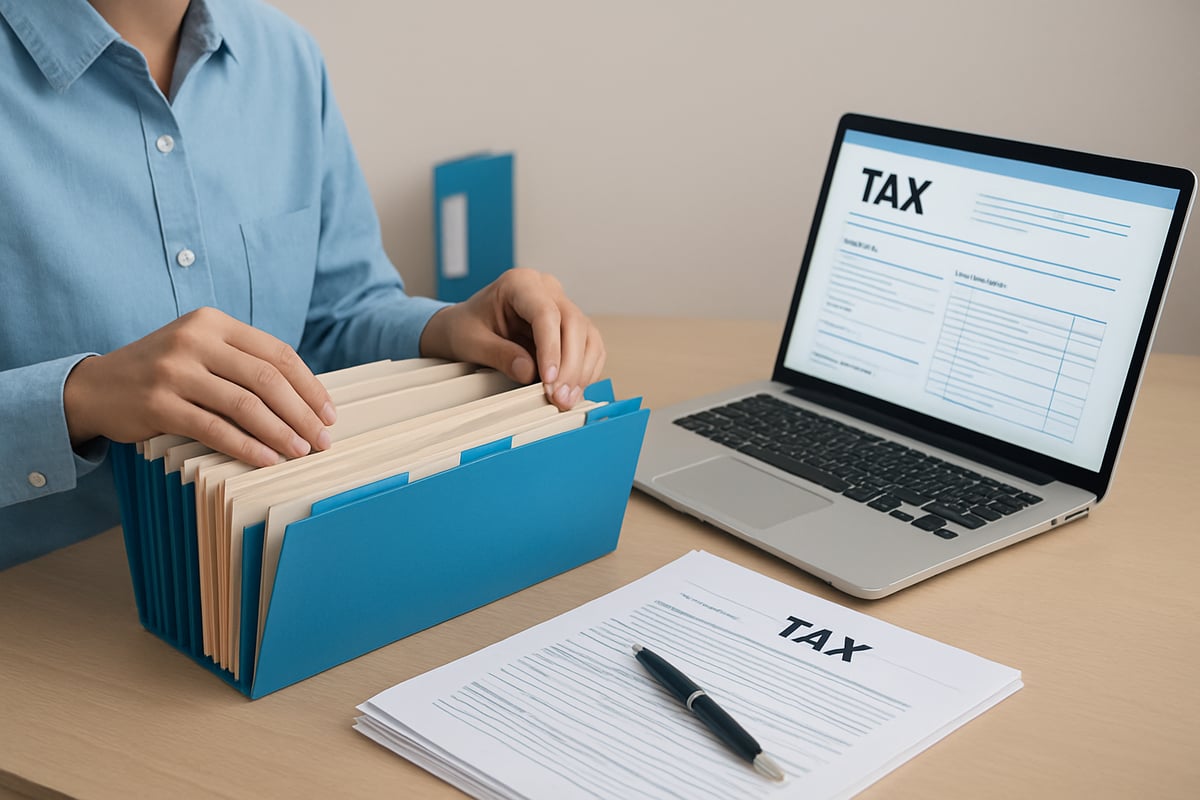
Start with the basics – your own records. Most people are surprised by how often they already have what they need to find my tax returns tucked away in a forgotten folder or drive.
Begin by searching these spots:
- Home filing cabinets or safes
- Cloud storage (Google Drive, Dropbox, iCloud)
- Email archives (search for “tax return,” “Form 1040,” or your tax preparer’s name)
- Old USB drives or external hard drives
If you find digital copies, rename them clearly, like “2022_Tax_Return.pdf,” and back them up to multiple locations. For paper files, create a labeled folder for each year.
People often overlook places like work email accounts, shared family folders, or even old tax software backups. Taking the time to systematically review each spot can make it much easier to find my tax returns when you need them most.
Step 2: Access Your Tax Software or Accountant Portal
If you filed electronically, your tax software or accountant’s portal can be a goldmine. Log in to platforms like TurboTax, H&R Block, or TaxAct, and search your account dashboard for previous years’ returns.
Most tax preparers and CPAs keep digital archives for several years. Reach out to your accountant’s office if you cannot locate documents online. Ask about their privacy and data retention policies to understand how long they keep client records.
Be proactive – download and save all available past returns to your own device or cloud storage. This step makes it easier to find my tax returns year after year, even if you switch accountants or software.
Step 3: Request Transcripts from the IRS
Sometimes, you need more than your own copies. The IRS offers tax return transcripts and account transcripts, which serve different purposes. A tax return transcript shows most line items from your return, while an account transcript summarizes basic data and changes.
To get these, use the IRS Get Transcript Online Tool. You’ll need to verify your identity, and the process includes steps like providing your Social Security number, filing status, and access to a verified email or phone. Digital transcripts are usually available within minutes, while mailed copies take up to 10 days.
If online access isn’t possible, request transcripts by mail or fax using Form 4506-T. In 2026, the IRS has introduced stricter ID verification, so have documentation ready. Using this method ensures you can always find my tax returns, even if your own records are incomplete.
| Transcript Type | What It Shows | How To Request |
|---|---|---|
| Return Transcript | Line items from tax return | Online, Mail |
| Account Transcript | Payments, adjustments, balances | Online, Mail |
Step 4: Obtain Copies from State Tax Agencies
Federal returns are just one piece of the puzzle. State tax returns often require a different process. Visit your state’s Department of Revenue website for instructions – most offer online requests or printable forms.
Some states charge a fee or require notarized requests for older records. Processing times vary; some states email digital copies within days, while others may take weeks.
Keep a checklist of each state where you’ve filed. This makes it easier to find my tax returns, especially if you’ve moved or lived in multiple states. Always check what documentation is required for identity verification and be prepared for small fees.
Step 5: Retrieve Returns from Former Employers or Financial Institutions
Sometimes, the missing piece isn’t your actual tax return, but the forms you need to reconstruct it. Employers and financial institutions must keep copies of W-2s, 1099s, and related forms for several years.
Contact your HR department or payroll provider to request copies of W-2 forms. For 1099s, reach out to banks or investment firms directly. Many now offer secure online portals for document retrieval.
By gathering these supporting forms, you can often fill in the gaps if you’re struggling to find my tax returns through other channels. Just remember, employers are legally required to keep these records for a minimum period, so act quickly if you need older documents.
Step 6: What to Do if You Filed Jointly or Are Dealing with Divorce/Estate Issues
Accessing tax returns can get complicated if you filed jointly, are divorced, or are managing someone’s estate. If you’re a spouse or ex-spouse, you typically have the right to request copies of joint returns. However, privacy laws may require additional documentation, such as a divorce decree or written authorization.
For estates, executors or those with power of attorney can request returns on behalf of a deceased taxpayer. Be ready to provide proof of authority, such as court documents or legal forms.
If you’re unsure about your rights, consult a tax professional. Navigating these situations is vital to ensure you can find my tax returns and meet legal obligations during life changes or after a loved one’s passing.
Troubleshooting Common Problems When Locating Tax Returns
Have you ever tried to find my tax returns and hit a wall? You are not alone. Many people run into snags when searching for old tax documents, especially with changing technology and IRS protocols. Let us break down the most common obstacles and show you how to tackle each one, step by step.
Lost Access to Email or Tax Software Accounts
Losing access to email or tax software can feel like losing the keys to your financial vault. If you cannot log in to your old TurboTax, H&R Block, or email account, first try the “Forgot Password” feature. Most platforms require identity verification, so keep your Social Security number and prior-year return details handy.
If recovery fails, contact customer support for your tax software or email provider. Be ready to answer security questions or provide alternate contact info. When you finally regain access, save a backup of your tax returns in a secure place. This will make it much easier the next time you need to find my tax returns.
Address or Name Changes and IRS Record Matching
Did you move, get married, or change your name since your last filing? The IRS and state agencies use your legal name and address to match records. If your details do not match what is in their system, your request to find my tax returns might get delayed or denied.
Update your information with the IRS using Form 8822 for address changes or submit a name change with legal documentation. For state returns, check your state revenue department’s website for their process. Always use your most recent legal information when making requests.
Tax Preparer Out of Business? Here’s What to Do
Sometimes your tax preparer retires, moves, or closes shop. If you need to find my tax returns and your preparer is unavailable, do not panic. First, check your home files and any emails or digital portals your preparer may have set up.
If you still cannot locate your returns, request a transcript from the IRS or your state agency. You may also want to reach out to professional associations, as many preparers belong to organizations that help with document retrieval. Remember, you have a right to your own tax records, even if your preparer is no longer around.
IRS Errors and Identity Theft: Extra Hurdles
IRS processing mistakes or identity theft can make it especially tough to find my tax returns. If you suspect an error, call the IRS directly and be prepared to verify your identity. For identity theft, you may need to file Form 14039 (Identity Theft Affidavit) and follow up with the IRS Identity Protection Unit.
Keep in mind, identity theft cases are on the rise. If someone else filed using your information, your records could be locked for security, causing delays. Document every step and keep copies of all communications for your records.
Missing Refunds or Filing Confirmations
What if you never got your refund or filing notice? This is a common headache when trying to find my tax returns. Start by checking your IRS or state online account for status updates. If nothing shows up, contact the agency directly and provide as much info as possible.
For those who realize they have not filed in several years or cannot find any records, follow the steps in What should I do if I haven’t filed taxes in several years to get back on track. The sooner you start, the easier it will be to resolve missing filings and avoid penalties.
Complex Cases: Natural Disasters and Military Service
Sometimes life throws curveballs. If your records were lost in a fire, flood, or similar disaster, notify the IRS right away. They have special procedures for disaster victims, and you may qualify for deadline extensions or replacement documents. Military members deployed overseas can also face unique challenges when they need to find my tax returns.
In these cases, reach out to the IRS or your state agency and explain your situation. They can guide you through the steps to reconstruct your records, often with extra support for unusual circumstances.
No matter the challenge, remember that solutions exist. With patience, organization, and the right resources, you can always find my tax returns and stay compliant.
Digital Security and Privacy: Protecting Your Tax Documents
Keeping your most sensitive financial information safe is more important than ever. When you set out to find my tax returns, you may not realize how much personal data is at risk if your security is not up to date. Cybercrime is on the rise, and tax documents are a gold mine for identity thieves. Whether you store your returns in the cloud or keep digital copies on your laptop, understanding today’s threats is the first step toward real protection.
Digital Risks: What You Need to Know
If you are trying to find my tax returns online, you need to be aware that hackers often target tax files. Phishing emails, fake IRS contacts, and malware are just a few ways criminals try to steal your Social Security number and bank details. Even something as simple as using public Wi-Fi to access your tax software can put your data at risk.
To minimize your exposure, always use secure, private internet connections and keep your antivirus software updated. Avoid clicking on suspicious links, and never share your tax information through unsecured platforms. The more careful you are, the less likely you are to have your data compromised when you need to find my tax returns.
Secure Storage Best Practices
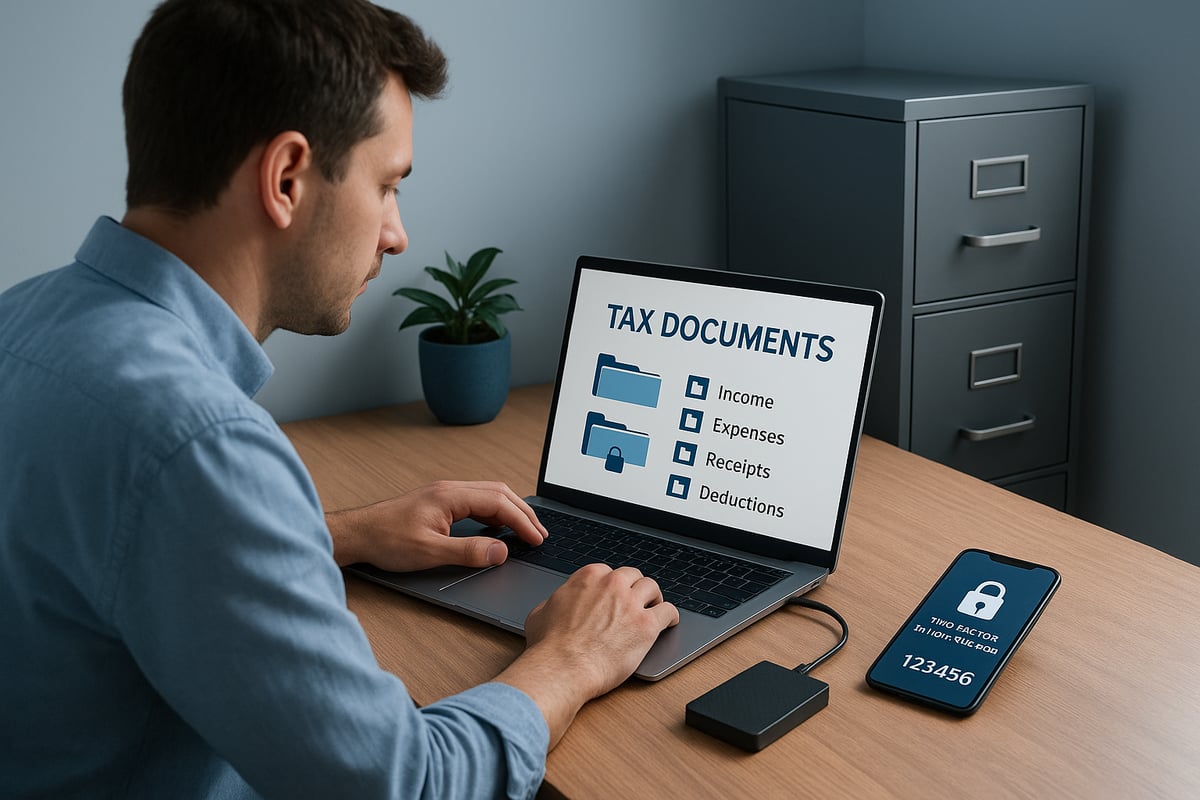
Wondering how to safely store and access your tax documents? Start by using strong, unique passwords for your accounts and enable two-factor authentication wherever possible. Storing digital copies of your returns on encrypted drives or reputable cloud services adds an extra layer of defense.
If you want to dive deeper into protecting your data, check out these digital security tips for safely storing and retrieving sensitive tax documents. Password managers can help you keep track of complex logins, and regularly backing up your files ensures you never lose critical information.
Here is a quick comparison of storage options:
| Storage Method | Security Level | Best For |
|---|---|---|
| Encrypted Cloud | High | Easy access, backups |
| External Hard Drive | Medium-High | Offline protection |
| Paper in Safe | Medium | Last resort, emergencies |
If you want to find my tax returns years from now, these steps will make the process much safer and easier.
Sharing and Retention: Doing It Right
Sometimes, you will need to share your tax documents with CPAs, attorneys, or lenders. Always use secure portals or encrypted email attachments, never standard email or text. Double-check the recipient’s identity before sending anything.
The IRS recommends keeping copies of your returns for at least three years, but many experts suggest seven years for added peace of mind. When you finally decide to dispose of old files, use a cross-cut shredder for paper and wipe digital drives completely. Following these habits means when you need to find my tax returns, everything is organized and secure.
Real-World Threats and 2026 IRS Security Updates
Identity theft cases are on the rise, and tax returns are a frequent target. Imagine someone filing a fraudulent return using your Social Security number – recovering from that can take years. In the past, simple mistakes like storing files on an unprotected device have led to major breaches.
The IRS is constantly updating its digital security initiatives, including improved ID verification for online account access in 2026. Stay informed about these changes, and regularly review your account security settings. By following these steps, you can confidently find my tax returns without putting your privacy at risk.
When to Seek Professional Help: Navigating Complex Tax Return Issues
Sometimes, the journey to find my tax returns gets complicated. Maybe you’re facing an IRS audit, missing several years of filings, or dealing with a divorce or estate situation. If you feel overwhelmed or uncertain, knowing when to bring in a professional can save you time, stress, and even money.
So, when should you reach out for expert help? Here are the most common situations:
- You’re being audited by the IRS or a state agency.
- You can’t locate multiple years of returns or supporting documents.
- Your tax preparer has gone out of business or is unresponsive.
- There are legal disputes, like divorce or inheritance, complicating access.
- You suspect identity theft or notice IRS errors.
- You’re dealing with business tax issues or complex investments.
If you’re in one of these scenarios, trying to find my tax returns on your own can be like searching for a needle in a haystack. Professionals like CPAs, enrolled agents, and tax attorneys have experience navigating these challenges. They can contact the IRS on your behalf, reconstruct lost records, and represent you during audits. For more on why past returns matter during an audit, check out IRS audits aren’t scary if you know this.
Let’s break down the pros and cons of DIY vs. hiring a pro:
| Approach | Pros | Cons |
|---|---|---|
| DIY | Lower cost, quick for simple cases | Risk of mistakes, limited access |
| Professional Help | Expert guidance, legal representation | Higher cost, finding trustworthy help |
While some people can successfully find my tax returns on their own, the stakes rise with complexity. Tax professionals understand record-keeping rules, IRS procedures, and can even help if you’re behind on filings. If you’re worried about legal liability, this article on how long you’re liable if you haven’t filed tax returns is a helpful resource.
However, not every offer of help is legitimate. Watch out for these warning signs:
- Requests for upfront payment or personal information before any consultation
- Guarantees of “instant” IRS fixes or refunds
- Pressure tactics or threats
- Lack of credentials or no clear business address
Here’s a real-life example: Sarah couldn’t find her tax returns for three years and was facing an IRS notice. She tried to handle things herself but hit dead ends. After hiring a tax attorney, her missing records were reconstructed, and the attorney negotiated a payment plan, resolving her case quickly.
When you need to find my tax returns and the process feels too complex, reputable professionals can make all the difference. Look for CPAs, enrolled agents, or tax attorneys with strong reviews and proper licensing. You can check the IRS website for enrolled agent listings, or ask for referrals from friends and family.
Remember, seeking help is not a sign of failure. It’s a smart move when the details get tricky, your peace of mind is at stake, or the IRS comes knocking. With the right support, you can untangle any tax return challenge and move forward with confidence.
Staying Organized: Building Your Tax Return Success System for 2026 and Beyond
Ever scramble at the last minute, trying to find my tax returns for a surprise loan application or audit? You are not alone. Staying organized with your tax documents is your best defense against stress and missed opportunities. A solid system ensures you can access what you need, when you need it, and keeps you prepared for any financial or legal situation.
Why You Need a Tax Return Retention Policy
The first step to always being able to find my tax returns is setting a clear retention policy. For most individuals, keeping returns and supporting documents for at least seven years is recommended. If you are self-employed or run a small business, you will want to follow the IRS Recordkeeping Requirements for Businesses for guidance on what to keep and how long.
Make it a household rule: never toss a tax document unless you are certain it is safe. Store originals in a fire-safe box and scan digital copies into a secure cloud folder. This way, you will never panic when asked to produce an old return.
Building Your Digital and Physical Backup System
Now, let us talk about backup strategies. Having both digital and physical copies is key to making sure you can always find my tax returns, no matter what happens to your laptop or filing cabinet.
Set up a simple folder structure on your computer and cloud drive, naming folders by year and type (for example, "2024 Personal 1040"). Use strong passwords and enable two-factor authentication. For paper files, invest in labeled folders and a safe spot at home. Once a year, check that your backups match your originals.
Annual Checklist for Tax Season Preparation
Consistency is your friend. Build an annual checklist to help you find my tax returns quickly every year. Include steps like:
- Download your return from tax software or your accountant
- Save supporting forms (W-2, 1099, receipts)
- Update your backup folders, both physical and digital
- Shred outdated documents that are no longer needed
A checklist not only saves time, it prevents mistakes that could lead to lost documents or headaches down the road.
Tools, Apps, and Smart Tips for Easy Retrieval
Embrace technology to make it easier to find my tax returns. There are plenty of apps designed for document scanning, file organization, and secure storage. Try apps like Evernote, Dropbox, or dedicated tax document managers. Set calendar reminders for tax deadlines and annual backups.
If you have dependents, a side gig, or a small business, create separate folders and checklists for each. This keeps everything tidy and ready for when you need to prove income, claim deductions, or answer IRS questions.
Lessons from IRS Audits and Future Proofing
If you are ever selected for an audit, your ability to quickly find my tax returns can make the difference between smooth sailing and a stressful ordeal. As covered in IRS audits aren’t scary if you know this, being organized is your best shield. Auditors look for gaps and missing paperwork, so keeping everything at your fingertips is essential.
Looking ahead, tax laws and digital systems will keep evolving. Make a habit of reviewing your organization process every year. Stay informed about new IRS recommendations, and be ready to adapt your system so that you never have to scramble to find my tax returns again.