

I’m Darrin Mish. Tampa tax attorney, 32 years in, more than $100 million in IRS debt resolved. What follows isn’t theory – it’s what I’ve actually watched work.
When you're drowning in debt, settling with creditors for less than you owe can feel like a lifeline. But here's something many people don't realize until it's too late: that forgiven debt often comes with a tax bill. The relationship between debt settlement and taxes is complex, and understanding it before you negotiate with creditors can save you from a nasty surprise come tax season. If you've settled debt or you're considering it, you need to know exactly how the IRS treats forgiven amounts and what your reporting obligations are.
How the IRS Views Forgiven Debt
Think of it this way: when a creditor agrees to accept $5,000 to settle a $10,000 debt, you've effectively received a $5,000 benefit. The IRS sees that $5,000 as income, even though you never actually received cash in your pocket. This principle applies to most types of settled debt, from credit cards to personal loans.
The tax code treats canceled or forgiven debt as ordinary income under Section 61(a)(12) of the Internal Revenue Code. This means that forgiven amount gets added to your taxable income for the year, potentially pushing you into a higher tax bracket.
When You'll Receive Form 1099-C
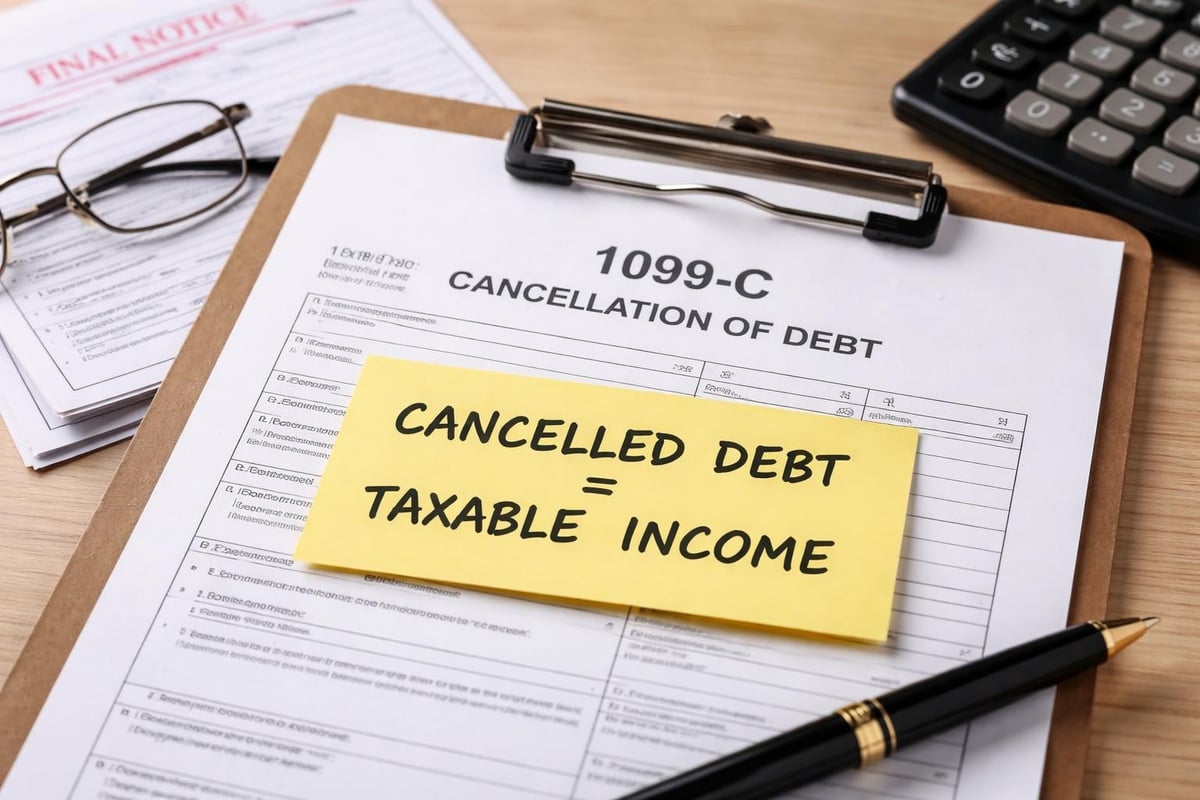
Your creditor is required to send you Form 1099-C (Cancellation of Debt) if they forgive $600 or more of debt. You'll typically receive this form by January 31st of the year following the debt cancellation. But here's where it gets tricky: even if you don't receive the form, you're still legally obligated to report the forgiven debt as income.
The 1099-C includes several important pieces of information:
- The amount of debt canceled
- The date of cancellation
- The fair market value of any property you surrendered
- A description of the debt
Keep this form with your tax records, because you'll need it when preparing your return. Understanding the tax consequences of debt settlement is crucial before you agree to any settlement terms.
Exceptions That Could Save You From Taxes
Now, before you panic about debt settlement and taxes, you should know that several exceptions might eliminate or reduce your tax liability on forgiven debt. These exceptions are specifically outlined in the tax code, and they can make a huge difference in your final tax bill.
Insolvency Exception
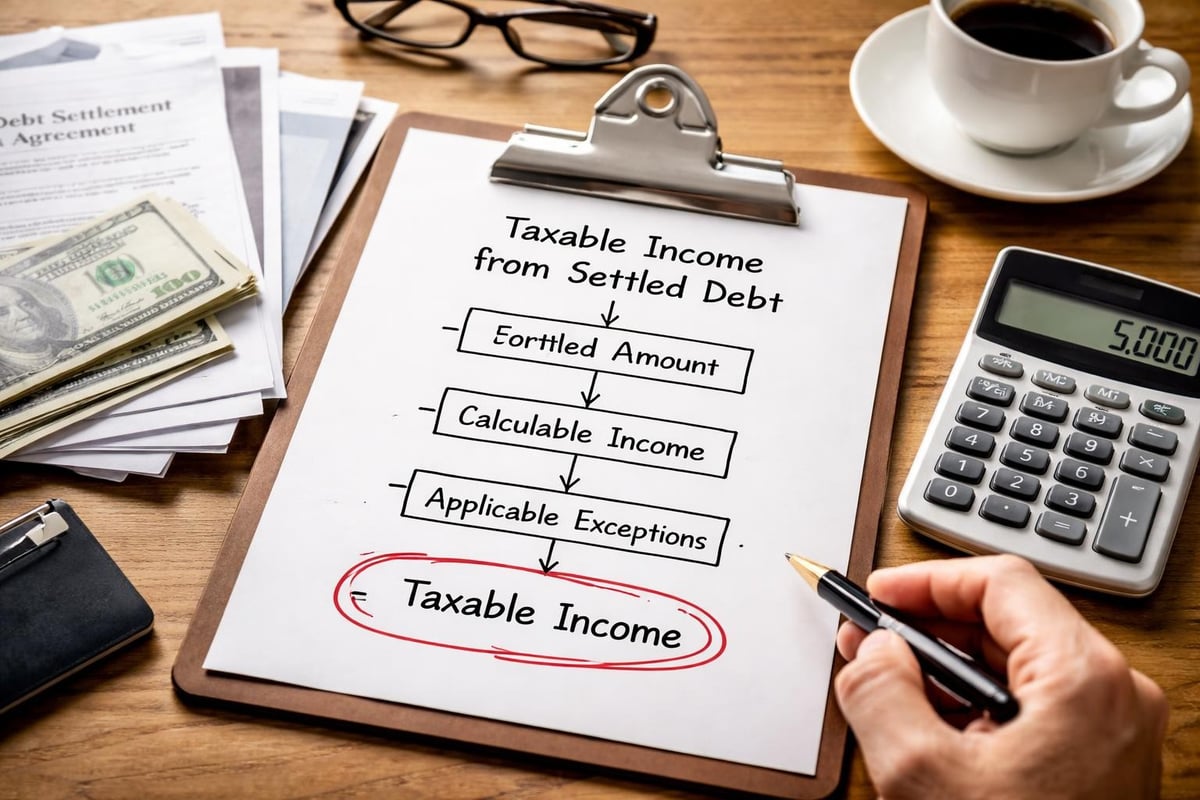
The most commonly used exception is insolvency. If you were insolvent immediately before the debt cancellation, you might not owe taxes on the forgiven amount. Insolvency means your total debts exceeded your total assets at the time the debt was canceled.
Here's how to calculate insolvency:
- List all your liabilities (debts, loans, credit cards)
- List all your assets (property, savings, investments, vehicles)
- Subtract total assets from total liabilities
- If the result is positive, you were insolvent
You can exclude forgiven debt up to the amount you were insolvent. For example, if your debts exceeded your assets by $8,000, and you had $10,000 of debt forgiven, you'd only need to report $2,000 as taxable income.
Bankruptcy Exception
Debts discharged in bankruptcy are not considered taxable income. This is one of the key benefits of bankruptcy compared to debt settlement. If you're working with an experienced IRS debt lawyer, they can help you determine whether bankruptcy or settlement is the better option for your specific situation.
Other Important Exceptions
Several other exceptions might apply to your situation:
- Qualified principal residence indebtedness: Mortgage debt forgiven on your primary residence (subject to specific limits and conditions)
- Qualified farm indebtedness: For those in the farming business
- Non-recourse loans: Loans where you're not personally liable and the lender's only remedy is to repossess the property
Understanding these exceptions requires careful analysis of your financial situation. The tax implications of debt settlement can vary significantly based on which exceptions apply to you.
How Debt Settlement Affects Your Tax Bill
Let's walk through a real-world example to show you exactly how debt settlement and taxes interact. Imagine you settled three credit card debts in 2026:
| Original Debt | Settlement Amount | Forgiven Amount |
|---|---|---|
| $8,000 | $4,000 | $4,000 |
| $12,000 | $6,000 | $6,000 |
| $5,000 | $2,500 | $2,500 |
| Total | $12,500 | $12,500 |
If none of the exceptions apply, that $12,500 gets added to your gross income. If you're in the 22% tax bracket, you're looking at approximately $2,750 in additional federal income tax, plus any state income tax.
But wait, there's more. This additional income could have other consequences:
- Push you into a higher tax bracket
- Reduce your eligibility for certain tax credits
- Increase the taxable portion of Social Security benefits
- Affect your eligibility for income-based programs
Planning for the Tax Impact
You need to plan ahead when negotiating debt settlements. Some strategies include:
- Time your settlements strategically: If possible, spread settlements across multiple tax years to minimize the impact
- Save for taxes: Set aside approximately 25-30% of the forgiven amount for potential tax obligations
- Consider insolvency: If you qualify for the insolvency exception, gather documentation before you file
- Consult a tax professional: Before settling significant debts, talk to someone who understands both debt settlement and taxes
Reporting Forgiven Debt on Your Tax Return
When tax season rolls around, you'll need to properly report any forgiven debt. This process involves several forms and calculations, especially if you're claiming an exception.
Standard Reporting Process
If you're reporting the full amount as taxable income, the process is straightforward:
- Report the amount from Form 1099-C on Schedule 1 (Additional Income and Adjustments to Income)
- The amount flows through to your Form 1040
- Pay taxes on this income along with your regular tax liability
Claiming the Insolvency Exception
If you're claiming insolvency or another exception, you'll need to file Form 982 (Reduction of Tax Attributes Due to Discharge of Indebtedness). This form requires detailed information about your financial situation immediately before the debt cancellation.
You'll need to attach a worksheet showing your insolvency calculation, including a complete list of assets and liabilities. Keep detailed records, because the IRS may request documentation to support your claim.
The tax consequences of settled debt require careful attention to detail and accurate recordkeeping throughout the process.
The Difference Between Debt Settlement and IRS Tax Debt
Here's something important to understand: settling private debt is very different from resolving tax debt with the IRS. When you negotiate with the IRS through programs like an Offer in Compromise, the forgiven tax debt is generally not taxable. The IRS doesn't issue you a 1099-C for forgiven tax debt.
If you're dealing with both private debt and tax debt, you need different strategies for each. The Law Offices of Darrin T. Mish, P.A. specializes in helping taxpayers navigate complex IRS tax debt relief programs that can resolve tax obligations without creating additional tax liability.
Common IRS Resolution Options
When dealing with tax debt specifically, several options don't create the same tax complications as private debt settlement:
| Resolution Method | Creates Taxable Income? | Best For |
|---|---|---|
| Installment Agreement | No | Those who can pay over time |
| Offer in Compromise | No | Those with limited ability to pay |
| Currently Not Collectible | No | Those with financial hardship |
| Penalty Abatement | No | First-time penalty situations |
Understanding the difference between resolving private debt and settling IRS tax debt is crucial for developing a comprehensive financial recovery plan.
What Happens If You Don't Report Forgiven Debt
Some people receive a 1099-C and simply ignore it, hoping the IRS won't notice. That's a terrible strategy. The IRS receives a copy of every 1099-C issued, and their computers automatically match these forms to tax returns.
If you don't report forgiven debt, you can expect:
- An IRS notice adjusting your income and proposing additional tax
- Interest and penalties on the unpaid tax
- Potential for an audit if discrepancies are significant
- Possible future collection actions like wage garnishments or tax liens
The penalties for failing to report income can add up quickly, potentially costing you more than if you'd just reported it correctly in the first place. According to recent guidance on taxes from forgiven debt, the IRS has become increasingly sophisticated at matching 1099-C forms to tax returns.
State Tax Implications You Can't Ignore
Don't forget about state taxes when you're thinking about debt settlement and taxes. While we've focused on federal tax obligations, many states also tax forgiven debt as income. However, state rules vary significantly.
Some states:
- Follow federal rules completely, including exceptions
- Have their own insolvency exceptions with different requirements
- Don't tax forgiven debt at all (states with no income tax)
- Have special rules for certain types of forgiven debt
If you live in a state with income tax, you need to research how your state treats canceled debt. This could add another 3-8% to your effective tax rate on forgiven debt, depending on your state's tax rates.
Working With Professionals on Debt Settlement and Taxes
Given the complexity of debt settlement and taxes, working with qualified professionals can save you money and headaches. You might need different experts for different aspects of your financial situation.
When to Hire a Tax Attorney
A tax attorney becomes especially valuable when:
- You're dealing with both significant private debt and IRS debt
- The forgiven debt amounts are substantial (over $25,000)
- You're not sure if you qualify for insolvency or other exceptions
- You've already received IRS notices about unreported 1099-C income
- You need help negotiating with the IRS on tax obligations
The Law Offices of Darrin T. Mish, P.A. has helped clients navigate these complex situations for over 32 years, combining expertise in both tax law and debt resolution strategies.
Documentation You'll Need
Whether you work with a professional or handle this yourself, gather these documents:
- All 1099-C forms received
- Complete list of assets and their fair market values
- Complete list of all debts (including those not settled)
- Bank statements from around the debt cancellation date
- Property appraisals or valuations
- Vehicle titles and valuations
- Retirement account statements
Thorough documentation is your best defense if the IRS questions your insolvency calculation or exception claim. Understanding how debt relief affects your taxes starts with maintaining excellent records throughout the settlement process.
Strategies to Minimize Tax Impact
You have options to reduce the tax burden from debt settlement. Smart planning before you settle can make a significant difference in your ultimate tax bill.
Negotiate Settlement Terms
When negotiating with creditors, consider:
- Asking the creditor to report the debt as settled for less than the full balance but not as "canceled" (though creditors rarely agree)
- Timing settlements for years when your income is lower
- Settling smaller debts in one year and larger debts in another
- Understanding that paying just $1 more than the threshold might avoid a 1099-C (though this rarely makes financial sense)
Coordinate With Other Tax Strategies
Look at your overall tax situation when planning settlements:
- Consider settling debts in the same year you have significant deductions
- If you're planning a business loss or other income reduction, that might be the year to settle
- Coordinate with retirement account withdrawals to manage your overall tax bracket
- Review whether the insolvency exception makes sense versus other strategies
Debt relief and tax planning should be coordinated efforts, not separate financial decisions.
Long-Term Financial Recovery After Settlement
Successfully managing debt settlement and taxes is just one step in your financial recovery. You'll need a comprehensive plan to rebuild your finances and avoid future debt problems.
After settling debts and handling the tax consequences, focus on:
- Rebuilding emergency savings: Start with $1,000, then work toward 3-6 months of expenses
- Repairing your credit: Settled debts damage credit scores, but you can rebuild over time
- Creating a sustainable budget: Ensure you're living within your means to avoid future debt
- Addressing the root causes: Whether it was medical bills, job loss, or overspending, fix the underlying issue
The tax implications shouldn't scare you away from debt settlement if it's the right solution for your situation. With proper planning and understanding of how debt settlement impacts your taxes, you can make informed decisions that improve your overall financial health.
Special Considerations for Business Debt
If you're settling business debt, the tax implications work differently than personal debt. Business debt settlement can affect your business tax returns, your personal returns, or both, depending on your business structure.
For sole proprietorships and single-member LLCs, forgiven business debt is typically reported on your personal return. For corporations and partnerships, the debt cancellation affects the business entity's return. The insolvency exception calculations also differ for businesses versus individuals.
Additionally, business debt settlement might trigger recapture of depreciation or other complex tax issues that require professional guidance. Don't try to navigate business debt settlement and taxes without expert help.
Navigating debt settlement and taxes requires careful planning, thorough documentation, and a clear understanding of IRS rules and exceptions. The forgiven debt that feels like financial relief today can become tomorrow's tax burden if you're not prepared. If you're struggling with tax debt, private debt, or the tax consequences of debt settlement, the Law Offices of Darrin T. Mish, P.A. offers free consultations to help you understand your options and develop a strategy that resolves your financial challenges while minimizing tax consequences. With over three decades of experience helping clients resolve complex IRS problems, our team can guide you through both debt resolution and tax planning.