

I’m Darrin Mish. Tampa tax attorney, 32 years in, more than $100 million in IRS debt resolved. What follows isn’t theory – it’s what I’ve actually watched work.
Are you feeling overwhelmed by the thought of unfiled taxes hanging over your head in 2026? You are not alone. Every year, over 15 to 18 million Americans find themselves in the same stressful situation, according to IRS estimates.
The good news? Unfiled taxes are a common, solvable issue. This guide is designed to help you break free from the anxiety, avoid costly penalties, and take back control of your financial future.
Inside, you will find practical steps, legal insights, and resources to resolve your tax worries. Ready to regain peace of mind? Let’s dive into understanding unfiled taxes, the real consequences, step-by-step solutions, when to seek help, and how to stay compliant for good.
Understanding Unfiled Taxes: What You Need to Know
Millions of Americans worry about unfiled taxes each year. If you have missed a tax deadline, you are not alone. Let us break down what unfiled taxes really mean, why it happens, how the IRS responds, and what paperwork you will need to get back on track.
What Are Unfiled Taxes and Who Is Affected?
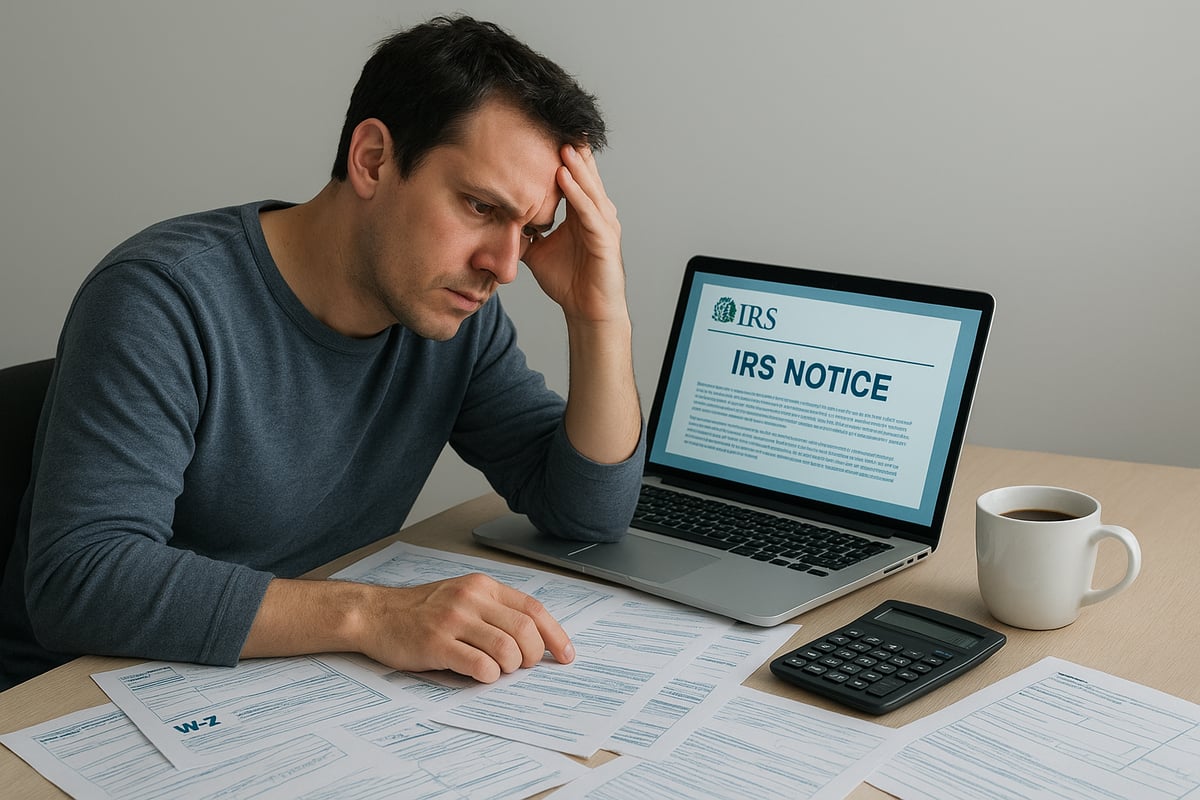
Unfiled taxes happen when you do not submit your required tax returns to the IRS by the deadline. This can occur for one year or stretch across several years. Unfiled taxes affect a wide range of people, including individuals, business owners, self-employed workers, and even Americans living abroad. According to IRS tax gap estimates, about 12 million people did not file required returns in 2022, and that number is expected to grow to 15 to 18 million each year. Life changes like a new job, divorce, illness, or just confusion over filing rules can easily lead to missed filings. Many people do not realize just how widespread and risky unfiled taxes can be.
Why Do People Fail to File? Common Reasons and Misconceptions
You might wonder why unfiled taxes are so common. Sometimes life gets messy: illness, job loss, or unexpected family issues can cause you to miss the deadline. Other times, people believe myths like "I do not owe, so I do not need to file" or "The IRS will not notice if I skip a year." Self-employed and gig workers are especially at risk, since tracking income and making estimated payments can be confusing. For example, a freelancer who is unsure about self-employment taxes may simply skip filing, which only adds to the problem. The reality is that unfiled taxes can happen to anyone, often for reasons you would not expect.
The IRS’s Approach to Unfiled Returns in 2026
The IRS is getting smarter about unfiled taxes in 2026. They now use advanced data analytics and automated systems to spot missing returns faster. If you do not file, the IRS might create a "substitute for return" using their own data, often leaving you with a much bigger tax bill since they do not include your deductions or credits. There is usually a six-year window for how many years you must file to get back in good standing, but the IRS can go back further if they find serious issues. There is no time limit for the IRS to pursue unfiled taxes, and they are focusing more on high-income non-filers and those who owe large amounts.
Key Documents and Data Needed for Resolution
Getting organized is the first step to fixing unfiled taxes. You will need to gather W-2s, 1099s, old tax returns, and other income records. If you are missing paperwork, you can request IRS Wage and Income Transcripts, which show what the IRS knows about your earnings. There are "masked" and "unmasked" versions, and tax professionals can help you get the most complete data. If you are married and file jointly, you will need your spouse’s records, too. For example, you might use IRS transcripts to fill in missing years and make sure nothing is overlooked. Accurate documentation makes the process of resolving unfiled taxes much smoother and helps you avoid mistakes.
Consequences of Unfiled Taxes: Risks and Realities
If you have unfiled taxes, the consequences can quickly snowball out of control. Many people underestimate just how serious the financial, legal, and personal impacts can be. Let's break down exactly what you risk if you let unfiled taxes linger, and why acting now is crucial.

Financial Penalties and Interest
Let’s talk numbers. The IRS doesn’t just wait patiently for you to file. If you have unfiled taxes, the failure-to-file penalty is 5% of your unpaid taxes for each month, up to 25%. Add a failure-to-pay penalty of 0.5% per month, also capped at 25%. With interest compounding daily, your bill can spiral. For example, a $10,000 tax debt can exceed $14,750 after maximum penalties and interest. Here is a quick table for clarity:
| Penalty Type | Rate per Month | Maximum Rate |
|---|---|---|
| Failure to File | 5% | 25% |
| Failure to Pay | 0.5% | 25% |
For a deeper dive on penalties, check out this helpful guide on IRS penalties for late taxes. Acting promptly is the best way to limit these costs.
Legal and Enforcement Actions
Unfiled taxes can trigger IRS enforcement. If you ignore notices, the IRS can garnish your wages, levy your bank accounts, or file a tax lien against your property. Sometimes, the IRS files a Substitute for Return, meaning they prepare a tax return for you using only the income they know about. This often results in a much higher tax bill, since you lose deductions and credits. They can also freeze future refunds until you file all past-due returns. In severe cases, willful failure to file can even be prosecuted as a crime. Imagine receiving a CP59 or CP518 notice, ignoring it, and suddenly facing wage garnishment – this is a reality for many.
Loss of Refunds and Credits
Think you might be due a refund? With unfiled taxes, you risk losing it forever. The IRS gives you three years from the original due date to claim a refund. After that, the money is gone for good. This rule also applies to valuable credits like the Earned Income Tax Credit and Child Tax Credit. If you miss the deadline, those credits vanish. For example, if you were owed $2,000 but waited too long, you lose that money permanently. The IRS can also apply any current refunds you are due to pay off old tax debts instead of sending you a check. Delaying can mean saying goodbye to money that’s rightfully yours.
Impact on Future Compliance and Financial Life
Unfiled taxes affect more than just your relationship with the IRS. Lenders, employers, and even colleges may require proof of tax compliance. If you’re applying for a mortgage, loan, or financial aid, unresolved tax issues can block approval. The IRS may also require all returns filed before granting you an installment agreement or an offer in compromise. Business owners can lose out on contracts or credit if tax problems come to light. Imagine being denied a business loan because of old unfiled taxes. Your financial reputation and opportunities can take a serious hit, making it even harder to recover.
Step-by-Step Guide to Resolving Unfiled Taxes in 2026
Feeling overwhelmed by unfiled taxes? You are not alone. Tackling unfiled taxes in 2026 is possible if you follow a clear plan. Let’s break down each step so you can move forward with confidence and regain your peace of mind.
Step 1: Contact the IRS and Assess Your Situation
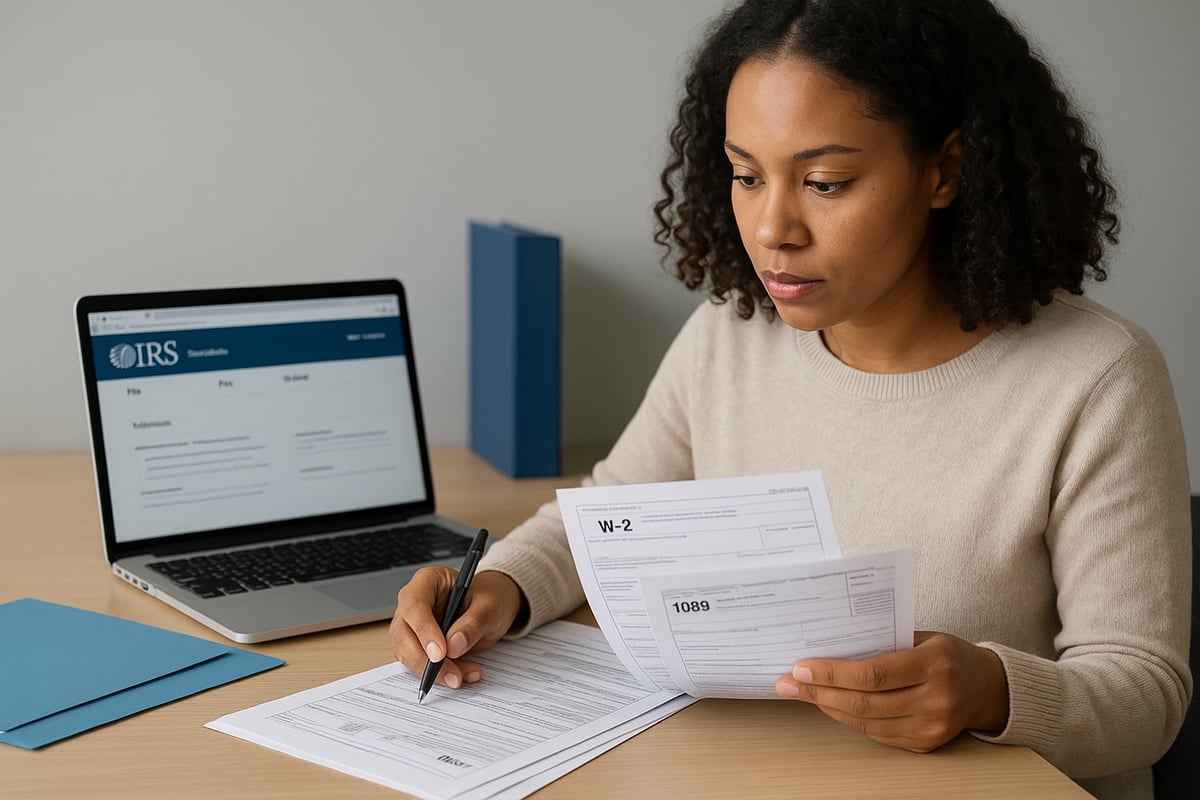
The first step in resolving unfiled taxes is to proactively reach out to the IRS. Start by calling the IRS at the appropriate hotline – individuals can use (800) 829 1040, and businesses (800) 829 4933. Ask if your account has been assigned to a caseworker, and determine if any enforcement actions are underway.
Request your Wage and Income Transcripts for all years with unfiled taxes. These transcripts help you see what income information the IRS has on file. If you suspect the IRS has filed a Substitute for Return (SFR) on your behalf, ask specifically about it. Knowing if an SFR exists is crucial, as it often means higher tax assessments.
You can also request an enforcement hold, which temporarily pauses collections while you prepare your returns. When speaking with the IRS, document every interaction – note the date, agent’s name, and details discussed. Calling early in the day usually means shorter wait times.
If you need guidance on specific solutions for unfiled taxes, the IRS unfiled tax return solutions page offers tailored options and resources that can help you understand your choices.
Taking initiative at this stage can buy you valuable time, reduce anxiety, and prevent more aggressive IRS action.
Step 2: Determine Which Years Need to Be Filed
After contacting the IRS, clarify exactly which years of unfiled taxes you need to address. The IRS generally requires six years of back filings, following Policy Statement 5 133. However, exceptions exist. If you have significant unreported income, own a business, or have a complex tax situation, the IRS may request additional years.
Ask the IRS directly how many years of unfiled taxes are required for your compliance. Factors like your income level, previous compliance history, or business involvement can influence this requirement.
Here is a quick comparison:
| Scenario | Years Typically Required |
|---|---|
| Standard individual | 6 |
| Business owner with issues | 6 8+ |
| High income, large balances | 8+ |
Filing only the required years will save you time and reduce stress. For example, if the IRS asks for eight years due to large unreported income, focus your efforts there. Remember, addressing just the necessary years is often enough to resolve most unfiled taxes cases efficiently.
Step 3: Gather Documentation and Prepare Accurate Returns
Now it’s time to collect all the documents you need to prepare your unfiled taxes. Start with W 2s, 1099s, prior year returns, and bank statements. If you are missing forms, request IRS Wage and Income Transcripts – these list income reported by employers, banks, and clients.
If you are married and filing jointly, ensure you have your spouse’s records as well. Double check your estimated tax payments and any credits or deductions you may qualify for. Remember, IRS prepared SFRs do not include deductions or credits, so filing your own returns can significantly lower your liability.
Here is a checklist for documentation:
- W 2s and 1099s for all relevant years
- IRS Wage and Income Transcripts
- Prior year tax returns
- Bank and investment statements
- Receipts for deductions and credits
- Spouse’s income records (if filing jointly)
Using accurate records helps prevent errors and reduces the chance of audits. If you are reconstructing records for multiple years of unfiled taxes, take it year by year and be thorough.
Step 4: File Returns in the Correct Manner and Location
Once your returns are prepared, it’s important to file them correctly. If you received a notice, use the address or IRS unit listed. For older years (beyond the last two), you’ll need to paper file your unfiled taxes. For current and previous two years, you may be able to e file with the help of a tax professional.
If the IRS filed a Substitute for Return, submit your return “over” the SFR and request reconsideration. This can lower your assessed tax bill by including deductions and credits that the SFR ignored.
Here’s a quick guide:
| Filing Situation | How to File |
|---|---|
| No enforcement action | Standard IRS address |
| Received enforcement notice | Address on notice |
| SFR filed by IRS | File over SFR, request review |
| Recent years | E file with professional |
| Older years | Paper file |
Filing your unfiled taxes in the correct place ensures faster processing and reduces delays. If you have an assigned revenue officer, submit directly to them for priority handling.
Step 5: Address Penalties, Tax Bills, and Payment Options
After your returns are filed, the IRS will assess any taxes, penalties, and interest owed. Don’t panic – immediate payment is not required, but you do need a plan. Request penalty abatement if you have a clean compliance history or can show reasonable cause, such as illness or disaster.
Explore payment solutions for your unfiled taxes:
- Installment agreements (monthly payments)
- Short term extensions to pay
- Offer in compromise (settle for less)
- Hardship status (temporarily delay collections)
Here’s a summary table:
| Payment Option | Who Qualifies | Benefit |
|---|---|---|
| Installment Agreement | Most taxpayers | Spreads payments |
| Offer in Compromise | Those unable to pay full amount | Settles for less |
| Hardship Status | Financial hardship | Pauses collection |
Proactively negotiating with the IRS can reduce your overall financial burden. For example, securing a first time abatement and setting up a payment plan can make your unfiled taxes manageable, and even lower the total you owe.
When and How to Seek Professional Help
Feeling overwhelmed by unfiled taxes? You are not alone. Many people find that, after years of missed returns or mounting IRS letters, it is time for a fresh approach. That is where seeking professional help can make all the difference for your peace of mind.
The Benefits of Professional Tax Assistance
When you are dealing with unfiled taxes, the process can feel like a maze. Professional tax experts have the experience to guide you through each step, making things much less stressful.
You gain several advantages:
- Access to specialized tools, such as unmasked IRS transcripts.
- A clear interpretation of complex IRS notices and requirements.
- Negotiation skills to help reduce penalties and secure better payment terms.
For example, a tax professional can help you seek penalty abatement for unfiled returns, potentially saving you thousands. With the right guidance, you can focus on your life instead of worrying about IRS surprises.
Choosing the Right Tax Professional or Attorney
Not all tax professionals are created equal, especially when it comes to unfiled taxes. You will want to look for someone with direct experience handling IRS negotiations and back returns.
Consider these tips:
- Verify credentials: CPA, enrolled agent, or tax attorney.
- Review client testimonials and case results.
- Ask about their experience with unfiled taxes and penalty relief.
Imagine finding a specialist who has resolved cases just like yours. The right choice can turn a daunting situation into a manageable plan, giving you real confidence as you move forward.
How the Law Offices of Darrin T. Mish, P.A. Can Help
The Law Offices of Darrin T. Mish, P.A. focuses on helping clients with unfiled taxes regain control. With more than 32 years of experience, their team has resolved over $100 million in tax debt for thousands of people.

Their services include:
- Stopping IRS collections and handling all communications.
- Negotiating settlements and penalty reductions.
- Crafting legal strategies tailored to your unique situation.
Clients appreciate the confidential consultations and the relief of no longer dealing directly with IRS agents. If you are ready to resolve your unfiled taxes, this firm offers a proven path to financial stability.
What to Expect When Working With a Tax Professional
Once you reach out, the process starts with a review of your documents and IRS notices. Your tax expert will lay out which years need to be filed, identify opportunities for penalty relief, and explain your payment options.
You will receive:
- Regular updates on your case status and deadlines.
- Clear instructions for gathering documents.
- A realistic timeline from first contact to final IRS resolution.
When you have unfiled taxes, having an expert in your corner means fewer surprises and a smoother journey to compliance. You will finally see a path forward.
Prevention and Peace of Mind: Staying Compliant After Resolution
Worried about falling back into the same pattern with unfiled taxes? You are not alone. The good news is, with a few smart habits, you can keep the stress at bay and enjoy real peace of mind. Let us break down practical ways to stay compliant and protect your financial future.
Setting Up Systems for Future Compliance
The best way to avoid unfiled taxes again is to put simple systems in place. Start by choosing reliable tax software or hiring a trusted professional who can keep you on track. Set digital reminders for important tax deadlines, especially if your income varies or you are self-employed.
Keep all tax documents, like W-2s, 1099s, receipts, and prior returns, in one organized folder. Make it a habit to scan and back up these records each year. For those with fluctuating income, schedule quarterly check-ins to review estimated payments and filing needs.
Consistency is your best friend. A little organization now can save you from future headaches and keep unfiled taxes in the rearview mirror.
Understanding IRS Notices and Responding Promptly
Staying on top of IRS notices is crucial for preventing unfiled taxes from resurfacing. The IRS sends out forms like CP59, CP515, and CP518 when it suspects a return is missing. Do not ignore these letters, even if you think there is a mistake.
First, read each notice carefully and follow any instructions. Update your address with the IRS so you never miss important mail. If you receive a notice, respond by the deadline, and keep a copy for your records.
Quick action can stop enforcement before it starts. Remember, responding to notices promptly is your safety net against future unfiled taxes.
Leveraging Payment Plans and Relief Programs
If you ever find yourself behind on taxes again, do not panic. There are several IRS payment plans and relief programs designed to help people with unfiled taxes get back on track. Options include short-term payment plans, long-term installment agreements, or even hardship status if you are facing tough times.
To learn more about these solutions, check out this helpful guide on IRS back taxes payment plans, which breaks down each option in detail. Review your eligibility for penalty abatement or offers in compromise if you qualify.
Taking advantage of these programs ensures that unfiled taxes do not spiral out of control and gives you breathing room while you catch up.
Education and Proactive Tax Planning
Knowledge is your best defense against future unfiled taxes. Stay informed about changes in tax laws, especially if you experience major life changes like marriage, divorce, or starting a business. Attend tax seminars, use IRS tools, or book an annual check-in with your tax professional to keep your plan up-to-date.
Make proactive adjustments if your income increases or you have new deductions. Planning ahead helps you avoid surprises and keeps unfiled taxes from sneaking up on you again.
A little education goes a long way, giving you the confidence and clarity to stay compliant year after year.