

Quick answer: Settling with the IRS means resolving your tax debt for less than the full balance — through an Offer in Compromise, the only formal IRS settlement program. Qualifying depends on your reasonable collection potential. Settlement isn’t negotiation in the conventional sense; it’s a fact-based application backed by Form 656 plus Form 433-A (OIC) financial disclosure.
I’m Darrin Mish. Tampa tax attorney, 32 years in, more than $100 million in IRS debt resolved. What follows isn’t theory – it’s what I’ve actually watched work.
Feeling anxious or overwhelmed by IRS tax debt? With 2026 tax law changes looming, many people share your worries and confusion. More Americans than ever now face unresolved IRS debt, making it crucial to understand your options early.
This guide is here to help you settle with irs using proven strategies that can reduce or resolve your debt, help you avoid harsh penalties, and protect your financial future.
You will find step-by-step solutions, eligibility details, and expert advice tailored to 2026’s new rules. Get ready for an up-to-date roadmap covering every settlement option, application step, and insider tip you need for success.
Understanding IRS Tax Debt and Settlement Basics
Feeling overwhelmed by IRS tax debt? You’re not alone. Millions of Americans find themselves facing unexpected tax bills each year, and with new 2026 tax law changes on the horizon, it’s more important than ever to understand how to settle with irs effectively.

What Is IRS Tax Debt and Why It Happens
IRS tax debt occurs when you owe more in taxes than you’ve paid, often because of underpayment, unfiled tax returns, or unexpected penalties. Life can throw curveballs, and sometimes a missed deadline or overlooked income source leads to a debt you didn’t anticipate.
Common causes include:
- Underreporting income or missing a tax payment
- Not filing returns for prior years
- Accrued penalties and interest
The IRS takes collection seriously. If you ignore their notices, you’ll start receiving increasingly urgent letters, like the dreaded CP504 Notice of Intent to Levy. This means the IRS can seize assets, garnish wages, or even place a lien on your property.
According to recent IRS data, millions of Americans owe back taxes, with the average debt often exceeding $25,000. The collection process typically begins with a notice, progresses to more serious warnings, and can result in collection actions within months if you don’t respond.
Ignoring IRS tax debt can damage your credit, threaten your assets, and create ongoing stress. The good news? The IRS actually prefers you resolve your debt, rather than drag out collections.
Overview of IRS Settlement Options in 2026
If you’re looking to settle with irs, you have several main options:
| Settlement Option | Who Qualifies | Key Benefit |
|---|---|---|
| Offer in Compromise (OIC) | Can’t pay full debt, financial hardship | Settle for less than owed |
| Installment Agreement | Can pay over time | Spread payments out |
| Currently Not Collectible | Severe financial hardship | Pause collections temporarily |
| Penalty Abatement | Valid reason for late payment/filing | Reduce or remove penalties |
Eligibility for each depends on your financial situation, the amount you owe, and whether you’ve filed all required returns. Recent IRS updates for 2024-2025 are making it easier to apply digitally, and higher debt thresholds may open doors for more taxpayers in 2026.
A common myth is that the IRS “forgives” debt freely. In reality, settlements are possible, but you must follow the right process. For example, the Offer in Compromise program has a historical acceptance rate around 33%, but that number can climb much higher if you work with a professional or understand the process, as illustrated in this IRS Offer in Compromise process case study.
Who Should Consider Settling With the IRS?
Wondering if it’s time for you to settle with irs? If you’re experiencing financial hardship, simply can’t pay your full balance, or are facing aggressive collection actions, it’s time to explore your options.
Some people can resolve simple cases themselves, especially if the total debt is under $25,000 and finances are straightforward. But if you have complex finances, high tax debt, prior failed attempts, or you’re up against liens and levies, professional help is strongly advised.
The most important takeaway? Acting early gives you more settlement options and boosts your chances of a positive outcome. Don’t wait until the IRS tightens the screws – explore your settlement strategy now.
Step-by-Step Strategies to Settle With the IRS in 2026
Feeling overwhelmed by IRS tax debt? You are not alone. If you want to settle with irs in 2026, following a step-by-step plan is your best move. Here is how you can take control, reduce stress, and give yourself the best shot at a fresh start.
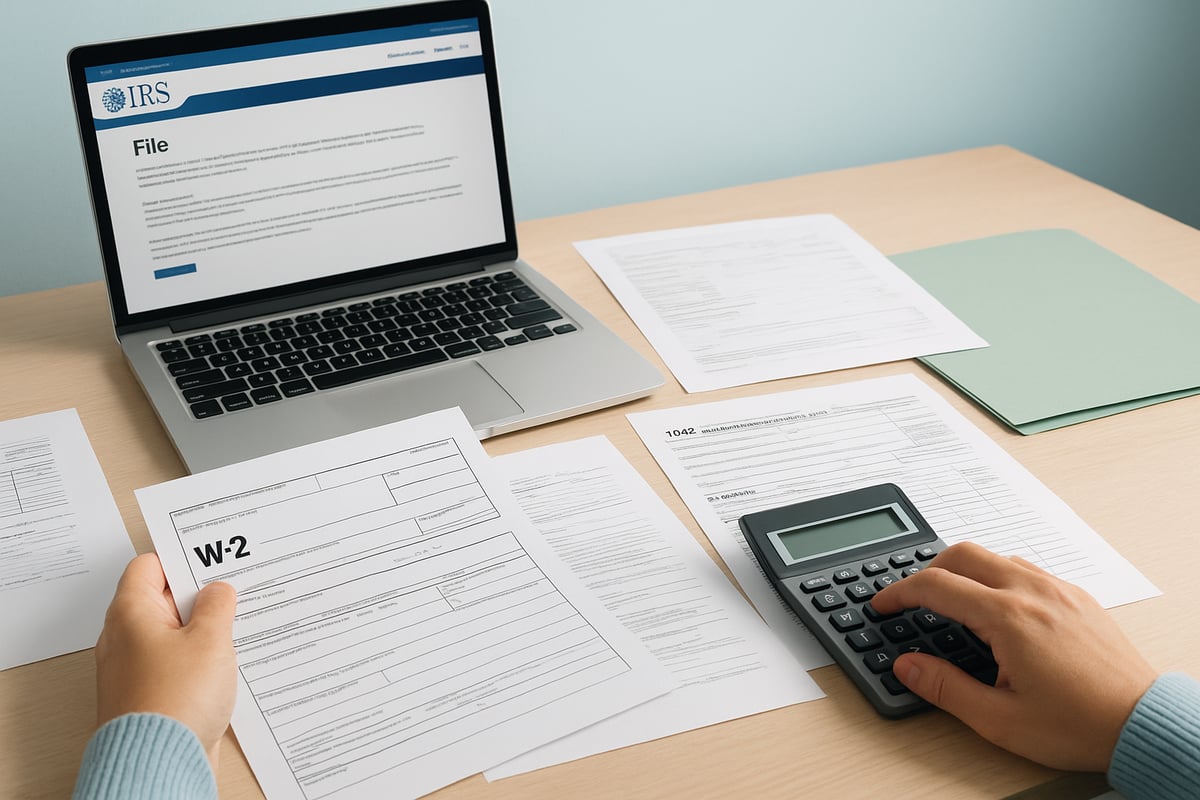
Step 1: Assess and Organize Your Tax Situation
Start by gathering every document related to your taxes. You will want to collect IRS notices, past tax returns, W-2s, 1099s, and recent bank statements. Having these on hand will help you settle with irs more efficiently.
Next, request your IRS transcripts online or by mail. Review these for any errors, missing filings, or discrepancies. If you spot a mistake, you may need to file an amendment using Form 1040-X.
Here is a quick checklist to keep you organized:
- IRS notices and letters
- All tax returns filed and unfiled
- Income documents (W-2s, 1099s)
- Bank statements for the last 3-6 months
Accurate records are your foundation. The more organized you are, the smoother your path to settle with irs.
Step 2: Verify Your Tax Liability
Once you have your records, break down your total tax debt. This means separating the tax owed, penalties, and interest. Remember, penalties and interest can quickly add up and sometimes make up a quarter of your total balance.
Double-check the IRS’s numbers against your own. If you find a discrepancy or believe a penalty was issued in error, do not hesitate to dispute it. For example, if the IRS misapplied a payment, you can correct this early before you try to settle with irs.
Common reasons for incorrect liabilities include:
- IRS data entry errors
- Overlooked payments or credits
- Penalties assessed unfairly
Verifying your numbers now prevents problems down the line and ensures your efforts to settle with irs are based on the right figures.
Step 3: Contact the IRS Proactively
Reaching out to the IRS before they escalate collections gives you more options. You can call their toll-free number, use your IRS online account, or visit a local office. If you want to settle with irs, have your Social Security Number, case number, and financial documents ready.
Be polite and keep detailed notes of every conversation. Write down the date, time, the name of the agent, and what was discussed. This documentation can be invaluable if you need to reference past agreements or promises.
Some tips for effective communication:
- Be honest about your situation
- Ask for a breakdown of your debt
- Inquire about hardship programs if needed
Proactive contact shows the IRS you are serious and helps you settle with irs on your terms.
Step 4: Review Your Financial Situation
Now, list every source of income, all assets, and every monthly expense. The IRS uses strict formulas to determine what you can afford to pay, so accuracy here is crucial if you want to settle with irs successfully.
Prepare documents like:
- Recent pay stubs or proof of income
- Mortgage or rent statements
- Utility bills and insurance
Complete the IRS Collection Information Statement (Form 433-A or 433-F) with as much detail as possible. The more complete your information, the more credible your application to settle with irs will be.
If your monthly expenses exceed your income, you may qualify for hardship options, making it easier to settle with irs.
Step 5: Explore Settlement Options Based on Your Situation
With your financial picture clear, it is time to choose the right settlement path. Are you eligible for an Offer in Compromise, an Installment Agreement, Currently Not Collectible status, or Penalty Abatement? The IRS Pre-Qualifier Tool can help you determine if you qualify for OIC.
For many, an installment plan is the most practical way to settle with irs. If you are considering this route, check out these IRS installment agreement negotiation tips to boost your approval odds and make your payments manageable.
Low-income taxpayers may qualify for waived fees or lower monthly payments. Choosing the right option now increases your chances to settle with irs efficiently.
Step 6: Submit Your Application or Proposal
You are almost there. Complete the required IRS forms for your chosen settlement strategy. This might be Form 656 for an Offer in Compromise or Form 9465 for an Installment Agreement. Double-check every entry, as mistakes or missing information can delay or even derail your chance to settle with irs.
Attach all supporting documents, including your detailed expense breakdown from Form 433-A. Keep copies of everything you submit for your records.
Remember, success rates for self-filed Offers in Compromise hover around 33 percent, but can rise significantly with professional help. Submitting a thorough, accurate application is essential to settle with irs and protect your financial future.
In-Depth: Offer in Compromise (OIC) Explained
Are you feeling overwhelmed by a tax bill you simply cannot pay? An Offer in Compromise (OIC) could be your chance to settle with irs for less than the full amount you owe. This section breaks down exactly how it works, who qualifies, and how to avoid common mistakes.

What Is an Offer in Compromise?
An Offer in Compromise is a formal agreement that can help you settle with irs for less than your total tax debt. The IRS considers an OIC when it believes you cannot pay the full amount due or if collecting the full amount would create financial hardship.
The IRS reviews OICs using three main criteria:
- Doubt as to Collectibility (you cannot pay the full debt)
- Effective Tax Administration (paying in full would be unfair or create hardship)
- Doubt as to Liability (you may not owe the full amount)
For example, a taxpayer with overwhelming medical bills was approved for an OIC because paying the tax would leave them unable to afford basic needs. If you are struggling to settle with irs and qualify under these criteria, an OIC may be the solution.
Eligibility and Pre-Qualification in 2026
To even consider an OIC, you must first meet strict IRS eligibility rules. The IRS reviews your income, expenses, and the equity in your assets. If your financial situation shows you truly cannot settle with irs in full, you may qualify.
For 2026, expect new documentation requirements and possible changes to application fees. Start by using the IRS OIC Pre-Qualifier Tool to see if you are a good candidate. If you meet low-income guidelines, you might even get the $205 application fee waived.
A low-income taxpayer, for instance, could settle with irs for a fraction of their debt if their assets and earnings are below the threshold. Getting pre-qualified saves time and sets realistic expectations.
How to Prepare and Submit a Successful OIC
Ready to take action? Here is how to prepare your OIC and increase your odds to settle with irs:
- Gather key forms: Form 656 for your offer, and Form 433-A (individuals) or 433-B (businesses) for financial details.
- Be thorough and accurate with every number and document.
- Use the IRS OIC Pre-Qualifier Tool to estimate a fair offer amount.
- Decide if you will pay in a lump sum or over time.
For official instructions and the latest requirements, check the IRS Offer in Compromise Program page. Submitting a complete, well-documented application gives you the best chance to settle with irs.
What Happens After You Submit an OIC
After you submit your OIC, the IRS review process usually takes 6 to 12 months. During this time, you might be asked for more documents or clarification. While you wait, IRS collections usually pause, giving you some breathing room to settle with irs.
There are three possible outcomes:
- Acceptance: Your offer is approved, and you settle with irs for less.
- Rejection: You can appeal or resubmit with better documentation.
- Request for more information: Respond quickly to keep your application moving.
Did you know that, historically, only about 33% of OICs are accepted? With expert help, your odds to settle with irs can increase dramatically.
Common OIC Mistakes to Avoid
To successfully settle with irs, avoid these pitfalls:
- Underreporting income or assets can get your offer denied.
- Offering too little without solid evidence of hardship is a red flag.
- Missing IRS deadlines or not responding to requests will stall your case.
- Failing to file all required prior year returns makes you ineligible.
For example, one applicant had their OIC denied simply because they forgot to file a recent tax return. Double-check everything before you apply to settle with irs, and do not let simple mistakes ruin your chances.
Installment Agreements and Other IRS Settlement Programs
Feeling overwhelmed about how to settle with irs? You’re not alone. For many, paying everything at once simply isn’t possible. That’s where installment agreements and other IRS settlement programs come into play.
Let’s break down the main options, who qualifies, and what you can expect as you work to settle with irs using these flexible strategies.

Installment Agreements: Payment Plans for 2026
Installment agreements are the most common way people settle with irs when they can’t pay their full tax bill immediately. The IRS offers several types of payment plans:
- Short-term plans (up to 180 days)
- Long-term plans (beyond 180 days, running until the collection statute expires)
- Direct Debit Installment Agreements (automatic withdrawals)
- Simple Payment Plans (for debts under certain thresholds, usually $50,000)
Here’s a quick comparison:
| Plan Type | Debt Limit | Application Form | Payment Period |
|---|---|---|---|
| Short-term | No limit | None | Up to 180 days |
| Long-term (Standard) | No limit | 9465 | Until the collection statute expires |
| Simple Payment Plan | $50,000 or less | 9465 (online) | Until the collection statute expires |
To apply, you’ll need Form 9465 or use the IRS online portal. For example, if you owe $20,000, you could set up a 72-month plan. Just remember, interest and penalties keep adding up during the plan, so paying faster saves money.
If you have simple finances and a debt under $50,000, it’s often straightforward to settle with irs using an installment agreement. But missing a payment can put you back at square one, so budget carefully.
Currently Not Collectible (CNC) Status
What if you truly can’t pay anything right now? The IRS offers Currently Not Collectible (CNC) status, which temporarily halts collection actions like levies or garnishments if paying would leave you unable to cover basic living expenses.
To qualify, you’ll need to prove financial hardship with detailed information about your income, expenses, and assets (usually via Form 433-F). If approved, the IRS will pause collections, but your debt and interest still grow in the background.
For instance, if you’re unemployed or facing a medical crisis, CNC status can give you breathing room. Want to see if you can settle with irs by pausing collections? Check out this step-by-step guide on Currently Not Collectible IRS status for more details.
Penalty Abatement and Other Relief Options
Penalties can quickly make a bad tax situation worse. Luckily, the IRS offers relief if you qualify for penalty abatement. This can happen in two main ways:
- First-time penalty abatement: If you’ve been compliant for the last three years, you may get penalties waived once.
- Reasonable cause abatement: If you had a serious illness, natural disaster, or other valid reason.
To request relief, file Form 843 and attach documents like hospital records if needed. For example, if you were hospitalized during tax season and filed late, the IRS might waive the penalty.
While this won’t erase your full debt, it can help you settle with irs by reducing what you owe and making payments more manageable.
Innocent Spouse Relief and Other Specialized Options
If your spouse or ex-spouse caused tax issues without your knowledge, Innocent Spouse Relief may shield you from joint tax debt. There are also options for injured spouses and those seeking separation of liability.
Applying requires detailed forms and supporting documentation. These specialized tax debt relief irs programs are vital for protecting individuals caught in difficult marital or financial situations.
IRS Fresh Start Program and 2026 Updates
The IRS Fresh Start Program has made it easier for taxpayers to settle with irs, especially if you have moderate debts. Updates in 2026 are expected to raise debt thresholds for Simple Payment Plans and expand digital application options.
This means more people will qualify for flexible payment plans and settlement programs. Fresh Start also improves eligibility for Offer in Compromise, so if you’ve struggled to pay in the past, you might find new options open to you.
The key takeaway? If you act early and stay proactive, these programs can help you avoid aggressive IRS collections and get back on track. Don’t wait until the IRS is knocking on your door – explore your options to settle with irs today.
When to Seek Professional Help vs DIY Settlement
If you are looking to settle with IRS, you might wonder if you can do it yourself or if you need expert help. The answer depends on your situation, comfort level with paperwork, and the complexity of your tax debt.
DIY Settlement: When It Works
For many, a do-it-yourself approach is possible if your case is straightforward. If you owe less than $25,000, have simple finances, and all your tax returns are filed, you may be able to settle with IRS on your own.
The IRS provides online tools and detailed instructions to guide you. For example, setting up a payment plan can be done quickly through the IRS website. If your debt is manageable and you feel confident reviewing your paperwork, DIY may be the right fit.
- Simple wage income, no business or investment complications
- All filings up to date
- Debt under $25,000
- No prior failed settlement attempts
If you meet these criteria, settling with IRS yourself can save you fees and keep the process straightforward.
Risks and Challenges of DIY Approach
While it is tempting to settle with IRS without help, there are risks. The paperwork can be confusing, deadlines are strict, and a single mistake can lead to delays or denials.
One of the biggest challenges involves the Offer in Compromise (OIC). According to IRS Offer in Compromise Statistics, only about 33 percent of OICs are accepted when self-filed. Many are rejected due to incomplete forms, missing documents, or miscalculations.
- Risk of missing required forms or deadlines
- High rejection rate for complex settlements
- Possible penalties if errors are discovered
If your case involves penalty abatement or hardship claims, understanding the rules is crucial. Mistakes can cost you time and money, so weigh the DIY risks carefully.
When to Hire a Tax Attorney or Professional
There are times when trying to settle with IRS on your own is not the best idea. If you owe a large amount, have years of unfiled returns, or face aggressive IRS collection actions, professional help is strongly advised.
A tax attorney or enrolled agent can negotiate on your behalf, handle appeals, and ensure all forms are completed correctly. Professionals increase your chances of success, especially with complex cases or if you have previously failed to settle with IRS.
- High debt (over $25,000)
- Business income, past liens, or levies
- Prior denials or complicated financials
- Need for negotiation or appeals
Hiring an expert can make the difference between a rejected and an accepted settlement, and it brings peace of mind knowing your case is handled properly.
Essential IRS Forms, Tools, and Tips for 2026 Settlements
Navigating the paperwork and digital resources is crucial when you settle with irs. Using the right forms and online tools can make or break your settlement journey. Let’s break down what you’ll need, how to use each tool, and the smartest ways to avoid common mistakes.
Key IRS Forms for Settlement
If you want to settle with irs, you’ll need to get familiar with several key forms. Here’s a quick rundown:
- Form 656: Use this to apply for an Offer in Compromise.
- Form 433-A/B/F: These Collection Information Statements gather your financial details.
- Form 9465: Request an Installment Agreement with this.
- Form 843: This is for Penalty Abatement Requests.
Let’s say you’re filling out Form 433-A. Carefully list all income, expenses, and assets. Double-check for accuracy – mistakes here can delay or derail your plan to settle with irs.
Using IRS Online Tools and Portals
The IRS has gone digital, and using their online tools is now a best practice when you settle with irs. The IRS OIC Pre-Qualifier Tool quickly checks if you might be eligible for an Offer in Compromise. You can also use the Online Payment Agreement tool to set up a payment plan.
Need to review your tax history? Log in to your IRS account to access transcripts and account details. These resources help you stay organized and informed as you settle with irs, reducing surprises.
Tips for Accurate and Successful Submission
Accuracy is everything if you want to settle with irs smoothly. Before you submit any form, double-check every line for errors or missing information. Keep copies of every submission and letter. Respond quickly if the IRS asks for more documents.
For more details about Offers in Compromise, check out IRS Tax Tip 2024-37 on OIC for official guidance. Remember, a single missing document can delay your case by months, so be proactive.
What to Expect After Applying
After you take the steps to settle with irs, be prepared for the waiting game. Here’s what you can expect:
- Offer in Compromise: The IRS usually responds within 6 to 12 months.
- Installment Agreement: You’ll often get a decision within 30 days.
Track your application status online or by phone. If your application is denied, you can appeal, resubmit, or seek professional help. Knowing these timelines helps you plan your next moves as you settle with irs.
Common Pitfalls and How to Avoid Them
Many people stumble on simple errors when they try to settle with irs. Here are some pitfalls to watch for:
- Not filing all required tax returns before applying.
- Underestimating how closely the IRS reviews your case.
- Failing to update your contact or financial information.
If you’re seeking penalty relief, get familiar with IRS penalty abatement strategies so you don’t leave money on the table. Staying organized and honest is your best defense as you settle with irs.
Avoiding IRS Tax Relief Scams in 2026
Worried that finding IRS tax debt relief help could land you in even more trouble? You’re not alone. With so much anxiety around IRS debt, it’s no wonder scam artists are out in full force, especially in 2026. Let’s make sure you can spot the warning signs and protect yourself as you search for real solutions.

Warning Signs of IRS Tax Relief Scams
Scammers prey on stress, promising quick fixes for your IRS tax debt relief problems. How do you tell who’s real and who’s not? Here’s what to watch for:
- High upfront fees before any service is provided.
- Guaranteed results like “we can settle your IRS debt for pennies.”
- Aggressive sales tactics or urgent threats.
- Unsolicited calls or emails claiming to be from the IRS or a relief company.
- Requests for sensitive information right away, like Social Security or bank details.
Remember, the IRS never calls you out of the blue demanding payment or threatening arrest. If you’re curious about offers like the “Fresh Start Initiative,” check out this IRS Fresh Start Initiative 2025: Facts and Fiction guide to separate fact from scam.
How to Verify Legitimate Tax Relief Professionals
Choosing the right help for IRS tax debt relief issues is crucial. Here’s how to spot a true professional:
- Credentials matter: Look for enrolled agents, CPAs, or tax attorneys. They must be licensed and in good standing.
- Transparency: Legit experts provide clear, written agreements and outline all fees upfront.
- No guarantees: Real pros never promise specific results, since IRS decisions depend on your unique case.
- Communication: You should get direct access to the person handling your case, not just a sales rep.
Ask questions, check reviews, and verify their credentials with the IRS or relevant state boards before signing anything.
Recent IRS Enforcement Actions and Common Scam Scenarios
The IRS is cracking down on IRS tax debt relief scams in 2026. Recent warnings highlight a surge in fake “relief” firms targeting desperate taxpayers. Typical scams include:
- Firms vanishing after receiving money.
- Fake IRS calls threatening legal action.
- Phony emails with links for “immediate tax relief.”
If you receive unsolicited offers, especially ones demanding quick action or payment, pause and investigate. The IRS has prosecuted several scam operations, so always check for official warnings on their website.
Reporting Scams and Getting Help
If you suspect a IRS tax debt relief scam, don’t wait. Report it directly to the IRS via their scam reporting portal or call the Treasury Inspector General for Tax Administration (TIGTA). You can also reach out to your state’s attorney general.
When in doubt, seek help from trusted, credentialed professionals. Protect yourself, your finances, and your peace of mind as you work toward real tax relief.
Frequently Asked Questions About IRS Tax Debt Relief
Facing IRS tax debt can be overwhelming, and you likely have a lot of questions. Let’s tackle the most common concerns about IRS tax debt relief programs so you can make informed decisions and move forward with confidence.
Can the IRS really settle for less than I owe?
Yes, through programs like Offer in Compromise (OIC), the IRS may accept less than the full amount you owe if you qualify. Approval depends on your income, expenses, assets, and ability to pay. Not everyone qualifies, and acceptance rates vary, but for those facing true financial hardship, IRS tax debt relief solutions like OIC can provide a fresh start.
What happens if I ignore my tax debt?
Ignoring IRS tax debt can lead to serious consequences. The IRS can garnish your wages, levy bank accounts, or file tax liens against your property. In 2023, the IRS recovers $4.7 billion in back taxes, showing how persistent IRS collection efforts can be. Promptly seeking IRS tax debt relief options helps you avoid aggressive enforcement.
How long does the IRS have to collect unpaid taxes?
Generally, the IRS has 10 years from the date of assessment to collect back taxes. However, certain actions, like filing for bankruptcy or submitting an Offer in Compromise, can pause or extend this time. If you’re considering IRS tax debt relief strategies, understanding these timelines is crucial for planning your next move.
Will IRS tax debt affect my credit score?
The IRS no longer reports tax debt directly to credit bureaus, so it doesn’t appear on your credit report. However, if a federal tax lien is filed, it becomes public record and can indirectly impact your ability to obtain credit or loans. Using IRS tax debt relief programs early can help you avoid liens and protect your financial reputation.
Are tax relief programs available for businesses as well as individuals?
Absolutely. Both individuals and businesses can use IRS tax debt relief programs. Businesses may qualify for installment agreements, penalty abatement, or other relief if they’re struggling to pay payroll or business taxes. It’s important to act quickly, as business tax issues often trigger faster IRS action.
What if I can’t afford to pay anything right now?
If you truly cannot pay, you may qualify for “Currently Not Collectible” status, which temporarily halts IRS collection activities. The IRS will review your finances to determine eligibility. Even if approved, penalties and interest continue to accrue, so explore all IRS tax debt relief options to find the best fit.
How do penalties and interest add up on IRS debt?
IRS penalties and interest can quickly increase the amount you owe. Common penalties include late filing and late payment fees. Interest is compounded daily. Here’s a quick look:
| Type | Rate/Amount |
|---|---|
| Late Filing | 5% per month |
| Late Payment | 0.5% per month |
| Interest | Federal rate + 3% |
Choosing the right IRS tax debt relief program can help reduce or eliminate certain penalties.
Is tax debt ever dischargeable in bankruptcy?
Some IRS tax debts can be discharged in bankruptcy, but strict rules apply. Taxes must be income-based, at least three years old, and properly filed. Not all tax debt qualifies, so consult a professional before relying on bankruptcy as a IRS tax debt relief solution.
Where can I get free or low-cost help with IRS tax debt?
You have options. The IRS offers the Taxpayer Advocate Service and Low Income Taxpayer Clinics for those who qualify. Community organizations and some attorneys provide pro bono help. Always verify credentials to avoid scams when seeking IRS tax debt relief assistance.
How do I know which IRS program is right for me?
The best IRS tax debt relief program depends on your finances, debt amount, and hardship level. Review your options, compare eligibility, and consider consulting a CPA, tax attorney, or enrolled agent. With the IRS planning to collect $561 billion more in unpaid taxes (IRS to collect $561 billion more in unpaid taxes), being proactive is more important than ever.