

There's the version of tax resolution the late-night commercials sell you. Then there's how it actually works. I'm Darrin Mish, a Tampa tax attorney. I've spent 32 years on the inside of these cases. Here's the real version.
I'm Darrin Mish. Tampa tax attorney, 32 years in, more than $100 million in IRS debt resolved. What follows isn't theory – it's what I've actually worked with clients to understand.
A property tax lawyer doesn't deal with federal income tax. They challenge what your county says your house, land, or commercial building is worth. And that number determines how much you owe in property taxes every year.
Most people never need one. But when your assessment jumps 40% overnight, when you're facing foreclosure over unpaid property taxes, or when your business is holding millions in commercial real estate, you need someone who knows the local appeals board, the appraisal methods assessors use, and the evidentiary standards that actually win cases.
What a Property Tax Lawyer Actually Does
Property tax attorneys challenge assessments, represent you at appeal hearings, and negotiate with county assessors. They don't file your property taxes-those are bundled into your mortgage or paid directly to your county. They fight over the valuation that drives your bill.
Assessors aren't perfect. They use mass appraisal models, comparable sales data that may not reflect your property's condition, and sometimes outdated square footage or classification. A property tax lawyer digs into those details, orders independent appraisals, and presents evidence that your property is worth less than the county claims.

They also handle payment disputes and tax lien challenges. If your county placed a lien for unpaid property taxes and you believe the underlying assessment was wrong, a property tax lawyer can challenge both the lien and the assessment simultaneously. Some also negotiate installment plans with county tax collectors, though that's less common than outright appeals.
When You Actually Need One
You need a property tax lawyer when the disputed amount justifies the cost. If your residential assessment climbed $50,000 and your local millage rate is 20 mills (2%), that's $1,000 a year. Over five years, $5,000. A lawyer charging $2,500 to handle the appeal makes economic sense.
For commercial properties, the math shifts fast. A $500,000 overvaluation on a shopping center or warehouse can mean $10,000 to $15,000 in excess taxes annually. Businesses often retain property tax lawyers on retainer to review every assessment cycle.
You also need one if you're facing foreclosure. Counties can foreclose on property tax liens, and once that process starts, you're racing the clock. A property tax lawyer can file an emergency appeal, challenge the validity of the underlying tax debt, and negotiate a payment plan to stop the foreclosure while you contest the assessment.
How Property Assessments Work and Where They Fail
County assessors value every parcel in their jurisdiction, usually on a rolling cycle. Some states reassess annually. Others do it every three to five years. The assessor applies a mass appraisal model: comparable sales, cost approach (what it would cost to rebuild), or income approach (for rental or commercial property).
The problem is that mass appraisal treats your property like a data point. It doesn't account for foundation cracks, a roof on its last legs, or a busy highway that wasn't there when the comparables sold. It also doesn't catch clerical errors-wrong square footage, wrong zoning classification, or a garage counted twice.
| Common Assessment Errors | Impact on Valuation |
|---|---|
| Incorrect square footage | 10-20% overvaluation |
| Wrong property classification (residential vs. commercial) | 15-30% overvaluation |
| Outdated comparable sales data | 5-15% overvaluation |
| Failure to account for condition/needed repairs | 10-25% overvaluation |
| Clerical errors (duplicate structures, wrong lot size) | 5-40% overvaluation |
The Lincoln Institute of Land Policy has documented how assessment practices vary wildly by jurisdiction and how those variations create inequities-especially in jurisdictions with high appeal rates but low public awareness.
A property tax lawyer knows which errors to look for. They request your property card from the assessor's office, compare it to your deed and survey, and identify discrepancies. Then they build a case around those errors and present it to the county assessment appeals board.
The Property Tax Appeal Process Step by Step
You start by filing a notice of appeal with your county's assessment appeals board. Deadlines are strict-often 30 to 60 days after you receive your assessment notice. Miss the deadline and you're stuck with the valuation for another cycle.
Once you file, the board schedules a hearing. In some counties, that's within 60 days. In others, it can take six months or longer. High-volume jurisdictions like Cook County, Illinois, and Los Angeles County, California, face significant backlogs, as research from the Cook County Property Tax Reform Group has shown.
At the hearing, you present evidence. The assessor presents their evidence. The board asks questions and issues a decision-usually in writing within 30 to 90 days. If you win, your assessment drops and so does your tax bill. If you lose, you can often appeal to a state-level board or file a lawsuit in county court.
Evidence That Wins Appeals
A property tax lawyer brings three types of evidence: independent appraisals, comparable sales, and documentation of property defects. The independent appraisal is the strongest-an MAI-certified appraiser evaluates your property using the same methods the assessor should have used and arrives at a lower value.
Comparable sales work when you can show recent arm's-length transactions of similar properties that sold for less than your assessed value. The lawyer identifies the comps, explains why they're more relevant than the assessor's comps, and walks the board through the differences.
Documentation of defects-photos of foundation cracks, contractor estimates for roof replacement, environmental reports showing contamination-proves your property isn't worth what the assessor claims. The board won't adjust for routine maintenance, but they will adjust for material condition issues that affect market value.
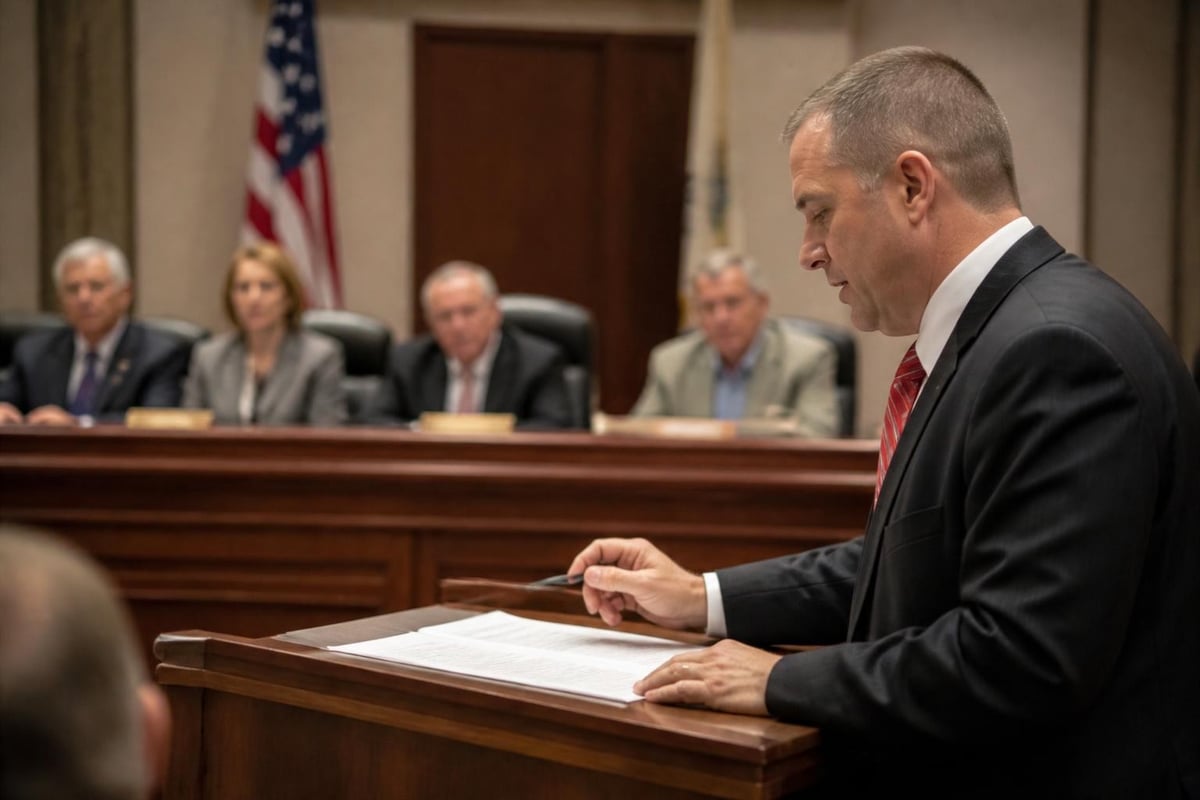
In jurisdictions like Los Angeles County, the Assessment Appeals Board publishes detailed procedural rules, filing instructions, and deadlines. A property tax lawyer navigates these procedural requirements so you don't lose on a technicality.
Property Tax Liens, Foreclosures, and Federal Tax Intersections
Property tax liens are different from IRS tax liens. The IRS files a Notice of Federal Tax Lien when you owe back income taxes. Your county files a property tax lien when you don't pay property taxes. Both attach to your property, but property tax liens have priority-they get paid first if your home is sold.
That priority matters. If you owe the IRS $50,000 and your county $10,000 in property taxes, and your house sells, the county gets its $10,000 before the IRS sees a dime. The IRS knows this, which is why they sometimes pay off property tax liens to protect their position.
If you're dealing with both, you need to coordinate. A property tax lawyer handles the county assessment and lien. A tax attorney like me handles the IRS debt-Offers in Compromise, installment agreements, or penalty abatement. The strategies overlap, but the jurisdictions don't.
When Counties Foreclose on Property Tax Liens
Counties can foreclose if you don't pay property taxes for a certain period-usually two to five years depending on state law. The foreclosure process is similar to a mortgage foreclosure: the county files a lawsuit, gets a judgment, and sells your property at auction.
A property tax lawyer can challenge the foreclosure on procedural grounds, contest the underlying tax debt, or negotiate a payment plan to stop the sale. If the assessment was wrong from the start, the lawyer files a late appeal or a lawsuit to void the lien. If the assessment was correct but you couldn't pay, the lawyer negotiates with the county to accept installments.
Some states allow property tax lien investors to buy the lien from the county and then foreclose themselves if you don't redeem it. The lawyer's role is the same-challenge the debt or negotiate a resolution before you lose the property.
How Property Tax Lawyers Charge and What It Costs
Most property tax lawyers work on contingency for residential appeals. You pay a percentage of the tax savings-usually 25% to 50%-for the first year or the first few years. If they don't reduce your assessment, you don't pay.
For commercial properties, flat fees are more common. A lawyer might charge $5,000 to $15,000 to handle a single appeal, depending on the property's value and the complexity of the case. Some large property owners retain law firms on annual retainers to monitor assessments and file appeals as needed.
Foreclosure defense is hourly. Rates range from $250 to $500 per hour depending on the jurisdiction and the lawyer's experience. You're paying for court appearances, legal research, motion practice, and negotiation with the county attorney's office.
| Fee Structure | Typical Cost | When It's Used |
|---|---|---|
| Contingency (residential) | 25-50% of first-year savings | Single-family homes, condos |
| Flat fee (commercial) | $5,000–$15,000 per appeal | Office buildings, retail, industrial |
| Hourly (foreclosure defense) | $250–$500/hour | Emergency lien challenges, litigation |
| Retainer (large portfolios) | $10,000–$50,000/year | Developers, REITs, property management firms |
Ask upfront how they charge and what happens if you lose. A good property tax lawyer will tell you honestly whether your case is worth fighting. If the potential savings don't cover the fee, they'll say so.
Who Else Handles Property Tax Appeals and Why Lawyers Matter
Some states allow property tax consultants or agents to represent you at appeals hearings. They're not lawyers. They can't file lawsuits or represent you in court. But they can present evidence to the appeals board and negotiate with assessors.
The difference matters when your appeal gets denied and you need to sue the county in superior court or challenge the constitutionality of the assessment method. Only a property tax lawyer can do that. Consultants are fine for straightforward residential appeals. For anything complex or high-stakes, you want a lawyer.
In some jurisdictions, appraisers themselves will represent you at hearings. They prepare the appraisal and then testify about it. That works if the board trusts the appraiser and the case is simple. But if the assessor challenges your appraiser's methodology or the board applies legal standards your appraiser doesn't understand, you need a lawyer to cross-examine and make the legal arguments.

Cornell Law School’s Legal Information Institute provides examples of the procedural rules and legal standards that apply in property tax appeals. Those rules aren't intuitive. A property tax lawyer knows them cold.
Regional Differences and Why Local Knowledge Matters
Property tax systems vary dramatically by state and even by county. In California, Proposition 13 limits annual assessment increases to 2% until the property is sold. In Texas, there's no state income tax, so property taxes are high and assessments are aggressive. In Florida, homestead exemptions cap increases for primary residences but not for investment properties or vacation homes.
A property tax lawyer practicing in Tampa knows Florida's Save Our Homes cap, the tangible personal property tax rules for businesses, and how county property appraisers apply market adjustments. A lawyer in Cook County knows Illinois' property tax multiplier system and the political dynamics of the assessor's office.
Recent state policy research from the Tax Foundation shows how property tax burdens and assessment cycles vary across the country. Median effective property tax rates range from 0.28% in Hawaii to 2.49% in New Jersey. Where you live determines how aggressive assessors are and how often you'll need to appeal.
You can't import a property tax lawyer from another state and expect them to navigate your local appeals board. This is hyper-local work. The lawyer needs to know the assessor, the board members, the procedural quirks, and the political pressures that shape valuation decisions.
Equity, Fairness, and Who Appeals Their Assessments
Property tax appeals disproportionately benefit those who can afford lawyers. A New York City Comptroller audit of administrative tax appeals found that represented property owners won more often and achieved larger reductions than unrepresented owners.
That creates an equity problem. Wealthier property owners appeal and reduce their share of the tax burden. Lower-income homeowners who can't afford representation or don't know the appeal deadline exists pay more than their fair share. Over time, the tax base shifts.
Some jurisdictions have reformed their systems to reduce this inequity. Cook County, for example, has published policy recommendations aimed at reducing high appeal rates, increasing transparency, and making the process more accessible to unrepresented taxpayers.
A property tax lawyer operating ethically recognizes this tension. You're hired to reduce a client's tax bill. But the work also exposes systemic flaws-over-assessment in low-income neighborhoods, under-assessment in high-income neighborhoods, and procedural barriers that favor repeat players.
How Property Tax Debt and IRS Debt Intersect
If you owe the IRS and you also owe property taxes, the IRS will usually let the county lien take priority. But that doesn't mean the IRS ignores it. If you're negotiating an Offer in Compromise or setting up an installment agreement, the IRS will expect you to stay current on property taxes going forward.
If you don't, the IRS can default your agreement. I've seen this happen when clients focus on their federal tax debt and let property taxes slide. Then the county files a lien, the IRS declares the installment agreement in default, and suddenly you're fighting two collection actions.
The reverse also happens. You're current with the county but behind with the IRS. The IRS files a tax levy or wage garnishment, and now you can't afford your property taxes. The county files its lien. Your property is encumbered by two government liens, and you're trying to figure out which to pay first.
Coordination matters. If you're in that situation, talk to both a property tax lawyer and a tax attorney who handles IRS cases. We each stay in our lane, but we can coordinate strategy so you're not putting out one fire while another one spreads.
A property tax lawyer challenges assessments, defends foreclosures, and saves you money when your county gets the valuation wrong. For 32 years I've worked alongside property tax attorneys helping clients untangle overlapping county and federal tax debts, and the key is addressing both before either one becomes a crisis. If you're facing IRS trouble-liens, levies, unfiled returns, or audit notices-let's talk. Law Offices of Darrin T. Mish, P.A. handles federal tax problems nationwide, and we offer free consultations to figure out your next move.