

I’m Darrin Mish. Tampa tax attorney, 32 years in, more than $100 million in IRS debt resolved. What follows isn’t theory – it’s what I’ve actually watched work.
Does the thought of a tax audit make you anxious? With new rules coming in 2026, many people worry about what an audited tax return might mean for them. If you feel uncertain about how audits work, you are not alone.
This article is here to clear up confusion and help you understand what it really means to face an audited tax return in 2026. We will break down seven essential facts that every taxpayer needs to know, so you can stay prepared and confident.
Curious about audit risks, how to avoid mistakes, or how to protect yourself? Keep reading, and you will discover practical steps to make your next tax season less stressful and more secure.
The Basics: What Is an Audited Tax Return?
Ever wondered what actually happens when your tax return gets picked for extra attention? If the words "audited tax return" make you nervous, you’re not alone. Let’s break down what an audit really means, how the process works, and why 2026 brings some changes every taxpayer should know about.

Understanding a Tax Audit
At its core, an audited tax return is when the IRS takes a closer look at your filed taxes to check for accuracy. The audit process can feel intimidating, but it’s really just a review of your financial information and supporting documents.
There are three main types of audits:
| Audit Type | How It Happens | What to Expect |
|---|---|---|
| Correspondence | By mail | IRS requests documents |
| Office | At an IRS office | In-person interview |
| Field | At your home/business | IRS agent visits you |
Most people experience a correspondence audit, which is handled through letters and document requests. The more serious field audits are rare and usually reserved for complex or high-risk cases.
Common triggers for an audited tax return include mismatched income, unusually high deductions, or numbers that don’t add up. For example, if your reported income doesn’t match your employer’s W-2 or a 1099 form, the IRS system will likely flag your return.
How often does this happen? According to recent IRS statistics, only about 0.4% of individual returns are audited each year, though the rate is higher for businesses and self-employed taxpayers. Minor mistakes, like a math error, may result in a simple correction letter. Full audits are more likely if the IRS spots red flags that suggest underreporting or fraud.
Want to know more about what the process looks like? Check out this detailed IRS audit process explained guide for a step-by-step overview.
Picture this scenario:
You receive a letter from the IRS asking for proof of a large charitable donation. You send in receipts and bank statements. The IRS reviews, accepts your documentation, and closes the audit with no changes.
Why Audits Matter in 2026
So, why is everyone talking about audited tax return risks for 2026? The landscape is shifting, thanks to new IRS priorities, updated technology, and evolving tax laws.
The IRS is using more advanced data analytics and automated cross-checks. With digital filing now the norm, your tax information is instantly compared against third-party data, like employer reports and bank statements. This means errors or inconsistencies on your audited tax return are flagged much faster and more reliably.
Legislative changes for 2026 may bring new reporting requirements, especially for digital assets and gig economy income. The IRS is expected to focus on areas where underreporting is common, such as cryptocurrency transactions and self-employment earnings.
Staying accurate is more important than ever. A small mistake on your audited tax return could lead to a drawn-out review, extra paperwork, or even penalties. The best defense? Double-check every entry, keep your records organized, and stay informed about the latest tax rules.
In short, understanding what an audited tax return means – and how the IRS is changing its approach – will help you avoid surprises and stay compliant in 2026.
7 Essential Facts About an Audited Tax Return in 2026
Getting your audited tax return right in 2026 is more important than ever. If you've ever wondered how the IRS picks who to audit, what can trigger a review, or how you can protect yourself, you're in the right place. We'll break down the seven essential facts every taxpayer needs to know as the rules and technology change.
You might be surprised at how much the audit process has evolved. Let's dive into what you should expect, how to avoid common pitfalls, and why understanding your audited tax return can make all the difference.
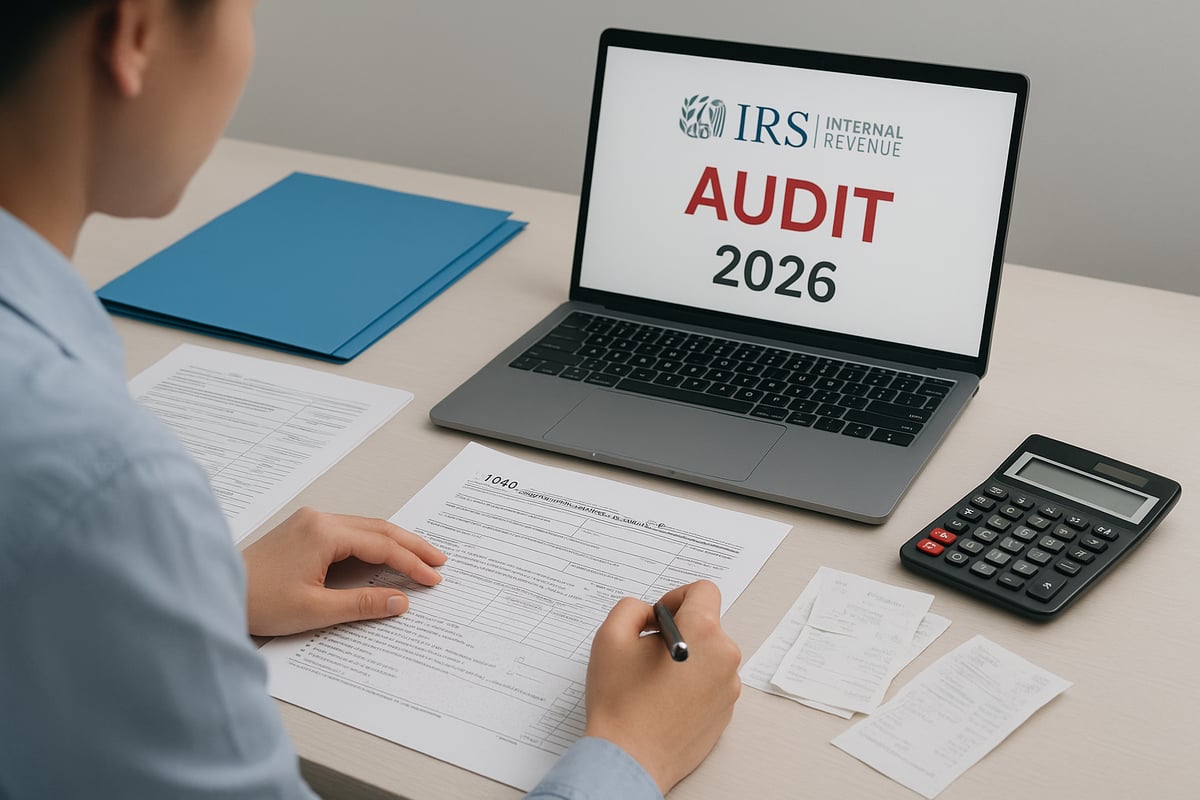
1. Audit Selection Is Often Automated – But Not Always Random
You might think an audited tax return is just a matter of bad luck. In reality, the IRS uses powerful algorithms to choose which returns get extra attention. The main tool behind this is the Discriminant Function System (DIF). This system analyzes every return, looking for patterns that stand out from the average taxpayer.
For example, if your deductions are much higher than similar earners or your reported income doesn't match what employers or banks reported, your audited tax return could be flagged. The IRS also uses other selection tools, including data analytics and machine learning, to spot unusual activity. Increasingly, they focus on specific industries or occupations that have higher risks of underreporting, like gig workers or those dealing in cash-heavy businesses.
Not every audited tax return is picked by a computer. Some audits come from targeted investigations, tips, or even random selection. But most are triggered by specific patterns, like large charitable donations compared to your income or mismatched forms.
Here's a simple table showing how audits are selected:
| Selection Method | Description |
|---|---|
| Automated (DIF) | Uses algorithms to flag anomalies |
| Random | Chosen without any pattern |
| Targeted | Focus on high-risk groups or tips |
Understanding this process helps you see that an audited tax return is rarely just chance. Staying within typical ranges for your situation can reduce your odds of being flagged.
2. Common Red Flags That Could Trigger an Audit
Ever wonder what makes an audited tax return stand out? The IRS looks for certain red flags that signal something might be off. Some of the most common triggers include:
- Income discrepancies (for example, your W-2 or 1099 doesn’t match what you reported)
- Excessive deductions, especially for home offices or business expenses
- Large charitable donations that seem out of proportion to your income
- Self-employment income or cash-intensive businesses
- Rounding numbers or making estimates instead of using exact figures
- Claiming credits you’re not eligible for, like the Earned Income Tax Credit
Certain professions, like real estate agents or cryptocurrency traders, often face extra scrutiny. Even honest mistakes, like a typo in your Social Security number, can raise questions. According to recent IRS data, self-employed individuals are audited at a higher rate than wage earners.
Want to dig deeper into what catches the IRS’s eye? Check out this guide on what triggers an IRS audit for more real-world examples and tips.
The key to avoiding an audited tax return is to keep your documentation accurate and consistent. Double-check your numbers, keep records for every deduction, and if you’re not sure about something, ask a professional. Remember, the IRS is getting better at spotting patterns, so it’s smart to play by the rules.
3. What Happens During the Audit Process
So, you’ve received a letter from the IRS about your audited tax return. What comes next? The process can feel intimidating, but knowing what to expect helps you stay calm and organized.
First, the IRS will contact you by mail, never by phone or email. The letter will explain what part of your audited tax return is under review and what documents you need to provide. There are three main types of audits:
- Correspondence audit: Handled entirely by mail. The IRS asks for specific documents or explanations.
- Office audit: You visit an IRS office with your paperwork and answer questions.
- Field audit: An IRS agent visits your home or business to review records in person.
You’ll usually have 30 days to respond. Gather all the requested documents, like receipts, bank statements, or mileage logs. If you’re missing something, let the IRS know immediately – honesty is better than guesswork.
Here’s a sample timeline for an audited tax return:
| Step | Typical Duration |
|---|---|
| IRS sends notice | Day 0 |
| Your response | Within 30 days |
| IRS review | 1-6 months |
| Final determination | Depends on findings |
The outcome of your audited tax return could be no change (everything checks out), an adjustment (the IRS corrects a mistake), or a penalty (for underpayment or misreporting). You always have the chance to respond to findings and appeal if you disagree.
4. Your Rights and Responsibilities as a Taxpayer
During an audited tax return, you’re not powerless. The IRS has a Taxpayer Bill of Rights that protects you throughout the process. You have the right to:
- Be informed about why your audited tax return was selected and what’s being questioned
- Privacy and respectful treatment during the audit
- Representation by a tax professional, attorney, or enrolled agent
- Appeal any IRS decision if you disagree with the outcome
You also have responsibilities. Respond to IRS requests on time, provide honest and complete information, and keep copies of everything you submit. If you ignore requests or provide false information, the penalties can be severe, including fines or even criminal charges in extreme cases.
If you want to learn more about your rights, the IRS provides a full list on their Taxpayer Bill of Rights page.
If things feel overwhelming, don’t hesitate to seek help from a tax professional. They can make sure your audited tax return is handled correctly and protect your interests every step of the way.
5. How to Minimize Your Audit Risk
Worried about your audited tax return being flagged? There are several practical steps you can take to lower your chances of an audit. Here’s what you should focus on:
- Report all sources of income, including side gigs and investments
- Double-check every form for accuracy, especially W-2s and 1099s
- Keep receipts, logs, and supporting documents for every deduction and credit
- Avoid rounding numbers or making rough estimates
- Use e-filing when possible, since it reduces common errors
- Separate business and personal expenses if you’re self-employed
If your audited tax return is complicated, such as reporting rental income or claiming large deductions, consider hiring a tax professional. They can spot issues before you file and help you build a solid documentation trail.
Staying organized is key. Create a system for storing tax records, even if it’s just a dedicated folder on your computer or a shoebox for receipts. The more prepared you are, the less stressful an audited tax return will be – if it ever happens.
6. Potential Consequences of an Audit – And How to Respond
An audited tax return doesn’t always mean bad news, but it can lead to several outcomes. The IRS might determine you owe additional taxes, and you could also face penalties or interest if mistakes are found. In rare cases, especially with evidence of fraud, a criminal investigation could begin.
If you disagree with the audit findings, you have options. You can provide additional documentation, request a meeting, or file an appeal. The appeals process is there to make sure your side is heard.
Here’s a quick look at what could happen after an audited tax return:
| Outcome | What It Means |
|---|---|
| No Change | IRS agrees with your original return |
| Adjustment | IRS changes your tax amount |
| Penalty/Interest | You owe more due to errors |
| Criminal Action | Rare, only for serious fraud |
Your audit history can affect future tax filings, especially if you make the same mistake again. It’s always better to respond promptly and honestly, which can help reduce penalties and show the IRS you’re acting in good faith.
If you’re unsure how to respond, a tax professional can help you navigate the process and even negotiate with the IRS on your behalf.
7. Preparing for the Future: Audit Trends and Best Practices for 2026
Looking ahead, the landscape for an audited tax return in 2026 will be shaped by new technology and changing laws. The IRS is investing in better data matching and analytics, which means they can quickly spot inconsistencies or missing information.
Expect more digital filing requirements, and possibly new rules about reporting income from sources like cryptocurrency, gig work, or online sales. The IRS may also require more detailed documentation for certain deductions or credits.
To stay ahead, follow these best practices for your audited tax return:
- Keep up with tax law changes each year
- Use reputable tax software or a trusted professional
- Maintain organized records for at least three years
- Document all sources of income and keep receipts for big deductions
- Don’t ignore IRS letters – respond promptly and honestly
Businesses and individuals alike should make tax compliance an ongoing habit, not a once-a-year scramble. If you’re not sure where to turn, the IRS website and professional tax advisors are great resources. Staying informed is your best defense against a stressful audited tax return in 2026.
Special Considerations for Businesses and Self-Employed Taxpayers
If you run a business or work for yourself, an audited tax return can feel especially daunting. The IRS tends to scrutinize these returns more closely, since business finances are often more complex and offer more room for error or misunderstanding. Knowing what makes your situation unique can help you prepare and protect your finances.

Unique Audit Risks for Businesses
Businesses and self-employed taxpayers face several unique risks when it comes to an audited tax return. Payroll tax discrepancies, frequent cash transactions, and the misclassification of employees as contractors are all common triggers. The IRS pays close attention to these areas because mistakes, whether intentional or not, can lead to significant tax liabilities.
It's also easy to blur the lines between business and personal expenses, especially for sole proprietors. This is why separating your accounts and keeping detailed records is crucial.
Record-Keeping and Expense Separation
Good record-keeping is your best defense during an audited tax return. Maintain clear, organized records of all income and expenses, and avoid mixing business and personal funds. Use separate bank accounts and credit cards for business transactions.
Keep digital copies of receipts, invoices, and contracts. This makes responding to IRS requests much easier and helps you substantiate every deduction.
Audit Triggers and Lessons Learned
Some of the most common triggers for a business audited tax return include:
- Unusually high deductions for meals, travel, or entertainment
- Inconsistent payroll reporting
- Large cash deposits without clear documentation
Learning from others' mistakes can be helpful. For example, many businesses have faced audits due to misclassifying employees as independent contractors. The lesson? Always double-check employment classifications and keep thorough records to back up your decisions.
Tips to Minimize Audit Exposure
To lower your chances of an audited tax return, follow these best practices:
- Double-check all reported figures for accuracy
- File electronically to reduce simple errors
- Maintain meticulous records for at least three years
- Seek professional guidance if your finances are complex
If you ever feel overwhelmed or unsure, consider consulting an expert. Gaining IRS audit attorney insights can make a big difference in how you handle an audit, especially for business owners.
Staying informed and organized is the best way to protect your business when it comes to audits.
Frequently Asked Questions About Audited Tax Returns in 2026
If you're facing an audited tax return in 2026, you're probably flooded with questions. You're not alone. Here are the most common concerns people like you have – and clear, practical answers to help you navigate the process.

Addressing Common Concerns
What should I do if I get an IRS audit notice?
First, don't panic. Read the letter carefully to determine what kind of audited tax return process you're facing. The letter will outline which documents the IRS needs and the deadline to respond. Always respond promptly and keep copies of everything you send.
How long does the audit process take?
It depends on the complexity of your audited tax return. Some audits are resolved in a few weeks, while others can last several months. The more organized your records, the smoother the process.
Can I amend my return after receiving an audit notice?
Usually, the IRS prefers you address issues directly in the audit. However, if you uncover a significant error, you may be able to request a review. The audit reconsideration process explains how to ask the IRS to revisit your case if you disagree with their findings.
What if I can't find the documentation the IRS requests?
Do your best to reconstruct records using bank statements, receipts, or even affidavits. Explain any missing items to the auditor. Being proactive and honest helps your case.
Will an audit affect my credit score or future tax filings?
An audited tax return does not impact your credit score. However, if you owe additional taxes and do not pay, that debt could eventually be reported. Future returns may be scrutinized more closely, especially if errors were found.
Where can I get help if I'm overwhelmed by the audit process?
You can seek assistance from a tax professional or attorney. For a deeper understanding of your rights and legal steps, check out these legal options if audited. The IRS Taxpayer Advocate Service is also available for support.
Resources for further information and support:
- IRS official website
- Taxpayer Advocate Service
- Local tax professionals
No matter your situation, staying informed and proactive is the best way to handle an audited tax return in 2026.